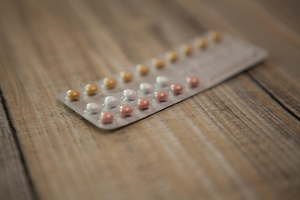

Nausea is a common side effect when starting or adjusting to hormonal birth control, but what you drink can make it noticeably worse. If you have been feeling queasy since starting the pill, patch, or ring, two beverages in particular are worth cutting back on: caffeine and alcohol. Both can irritate the stomach, increase acid production, or interfere with how your body processes hormones, which may amplify that unsettled feeling.
Why caffeine might be the culprit
Caffeine is a stimulant that affects the central nervous system and the digestive tract. For many people, it speeds up gastric emptying and can relax the lower esophageal sphincter, which allows stomach acid to travel upward. On top of that, caffeine increases the production of stomach acid. When you are already experiencing nausea from a new hormone regimen, adding more acid and motility can tip your stomach from mildly uncomfortable to actively queasy.
Some sources of caffeine are obvious: coffee, black tea, energy drinks, and many sodas. Others are sneaky, like green tea, chocolate-based drinks, and some pre-workout powders. If you typically have more than one cup of coffee in the morning, try switching to a smaller cup or a half-caff blend for a few days. Pay attention to how your stomach responds. You may find that a single cup is fine, but that second one pushes you over the edge.
A small but consistent change: swap your afternoon coffee for a cup of ginger or peppermint tea. Both are naturally caffeine-free and have a reputation for calming the stomach.
How alcohol interacts with birth control and nausea
Alcohol is a gastric irritant. It directly inflames the lining of the stomach and can increase acid secretion, which is the last thing you need when you are already fighting nausea. For people on hormonal birth control, alcohol also adds a layer of metabolic complexity. The liver processes both alcohol and the hormones in birth control. When alcohol is present, the liver may prioritize breaking it down, which can temporarily alter hormone levels in your bloodstream. While this does not typically make birth control less effective (provided you are not vomiting within a few hours of taking the pill), it can make side effects like nausea, dizziness, or headache more intense.
If you choose to drink, stick with one serving and avoid mixing with sugary mixers, which can further upset the stomach. Light beer, dry wine, or a simple spirit with soda water and lime are gentler options than sugary cocktails or heavy liqueurs. Pay attention to how you feel afterward. If even one drink leaves you feeling worse, it may be worth skipping alcohol entirely while your body adjusts to the hormones.
Other drinks that can worsen nausea
While caffeine and alcohol are the two main drinks to limit, there are a few other beverages that can aggravate nausea in people on birth control:
- Very cold or iced drinks can shock the digestive system and slow digestion, which sometimes makes nausea last longer. Room-temperature or slightly warm fluids are often better tolerated.
- Acidic fruit juices like orange juice, grapefruit juice, or lemonade can irritate an already sensitive stomach lining. If you want fruit flavor, try a diluted juice or a mild option like pear or apple.
- Carbonated sodas (especially those with caffeine) can cause gas and bloating, which may increase abdominal discomfort and nausea.
What to drink when you feel queasy
Staying hydrated is important, but the right fluids can also help settle your stomach. Here are some choices that tend to be easier on the digestive system:
- Plain water — sip slowly rather than gulping. Ice-cold water may be more irritating; try cool or room temperature.
- Ginger tea — steep fresh ginger slices in hot water for five minutes. Real ginger has compounds that can reduce nausea.
- Peppermint tea — caffeine-free and known for its calming effect on the stomach muscles.
- Electrolyte drinks (low sugar) — if you have been vomiting, these can help restore balance without the sugar crash of sports drinks.
- Broth or warm lemon water (very diluted) — these provide gentle hydration and a little salt.
When to talk to your doctor
Nausea that persists beyond the first few weeks of starting a new birth control method or that interferes with eating and drinking warrants a conversation with your healthcare provider. There are many types and doses of hormonal birth control, and a simple switch to a different pill or a lower estrogen option can sometimes resolve the nausea completely.
If you are vomiting repeatedly or cannot keep fluids down, contact a medical professional. That level of nausea is not something to power through — it can lead to dehydration and may indicate that the current method is not right for you.