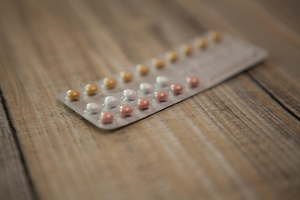

Choosing a contraceptive method is a personal decision, and understanding the potential side effects is a key part of the process. While many people use birth control without issues, others experience unwanted reactions. If you've noticed changes after starting a new method, it's often helpful to understand the underlying reasons. Here are three common causes of contraceptive side effects that can help you have a more informed conversation with your healthcare provider.
1. The Role of Hormones and Your Unique Body Chemistry
The most frequent cause of side effects from hormonal contraceptives—like the pill, patch, ring, or hormonal IUD—is the specific type and dose of hormones they contain. These methods work primarily by using synthetic versions of estrogen and progestin to prevent ovulation. However, your body has its own delicate hormonal balance. Introducing external hormones can disrupt this equilibrium, leading to temporary symptoms as your system adjusts.
Common reactions include nausea, breast tenderness, mood swings, and breakthrough bleeding or spotting. For many people, these symptoms fade within two to three months as their body adapts. The specific progestin used in a particular brand can also make a difference; some are androgenic (similar to testosterone) and may cause acne or hair changes, while others are anti-androgenic and may improve these issues. This is why one pill can cause bloating and irritability for one person but no noticeable effects for another.
A key point: Side effects are often a sign of your body adjusting to a new hormone level, not necessarily that the method is a poor fit for you permanently.
2. The Method's Delivery System and Dosage
Not all contraceptives deliver hormones in the same way, and the method itself can be a source of side effects. For instance, a high-dose estrogen pill is more likely to cause nausea and breast tenderness than a low-dose option. Similarly, the contraceptive implant and the hormonal IUD release progestin directly into the uterus, which results in lower levels in the bloodstream. This makes systemic side effects like nausea less common, but both methods can cause unpredictable bleeding patterns, especially in the first six to twelve months.
Non-hormonal methods have their own potential issues. The copper IUD, which contains no hormones, can cause longer, heavier periods and more cramping. Even barrier methods like condoms or the diaphragm are not side-effect-free for everyone; some people experience local irritation or allergic reactions to latex or spermicide.
- Daily pill: More consistent hormone levels, but dependent on daily adherence.
- Weekly patch: Can cause skin irritation at the application site.
- Monthly ring: May cause vaginal discharge or irritation in some users.
- Long-acting methods (IUD/implant): Primarily associated with changes in bleeding patterns.
3. Underlying Health Conditions and Lifestyle Interactions
Sometimes, what feels like a contraceptive side effect is actually a pre-existing condition that the hormones have unmasked or worsened. For example, individuals with a history of migraines, especially those with aura, should be cautious with estrogen-containing methods due to a slightly increased risk of stroke. Similarly, someone with a tendency toward depression may find that hormonal birth control worsens their mood, while another person may feel no change.
Lifestyle factors also play a role. Smoking while on a combined hormonal contraceptive significantly raises the risk of blood clots, particularly in women over 35. Certain medications, including some antibiotics, anticonvulsants, and the herbal supplement St. John's Wort, can interfere with how the liver metabolizes contraceptive hormones, potentially reducing effectiveness and sometimes contributing to breakthrough bleeding.
It's also important to differentiate between a side effect and a sign of a more serious complication. Severe abdominal pain, chest pain, severe headaches, eye problems, or leg pain/swelling can be signs of a rare but serious blood clot. Any significant change in your health warrants a prompt discussion with a doctor.
What You Can Do
Knowing these common causes helps put side effects into perspective. If you're experiencing bothersome symptoms, the solution is rarely to simply stop using contraception altogether. Instead, you can work with your healthcare provider to explore alternatives. This might mean switching to a different progestin type, trying a lower estrogen dose, or opting for a non-hormonal or long-acting method that has a different side-effect profile. Tracking your symptoms in a diary for a month or two can provide valuable data for your conversation.
The best contraceptive is one that fits your health profile, lifestyle, and tolerance for any temporary adjustment period. Persistent or severe side effects should always be evaluated by a professional to rule out other causes and find a method that works well for you.