
Menopause brings a cascade of hormonal shifts that can leave you reaching for a fan, adjusting your collar, or wondering why sleep feels so elusive. While hot flashes and night sweats are among the most common complaints, your diet may offer some gentle relief. Instead of reaching for another glass of ice water, consider adding these five evidence-friendly foods to your plate. They won’t erase menopause overnight, but they may help your body navigate the transition with a bit more ease.
Remember, food is not medicine, and what works for one person may not work for another. Always talk with your healthcare provider before making significant dietary changes, especially if you have underlying health conditions.
How food affects hot flashes and night sweats
Hot flashes are thought to be linked to fluctuations in estrogen, which affect your body’s temperature-regulating center. Certain compounds in foods—like phytoestrogens (plant-based estrogens), antioxidants, and anti-inflammatory nutrients—might help stabilize that thermostat. The key is consistency: adding these foods regularly, not just when you feel a flush coming on.
1. Soy and edamame
Soybeans are rich in isoflavones, a type of phytoestrogen that can weakly mimic estrogen in the body. Some studies suggest that women who eat moderate amounts of whole soy foods (like edamame, tofu, or tempeh) report slightly fewer or less intense hot flashes. Try a handful of steamed edamame as a snack or add firm tofu to a stir-fry a few times a week.
Tip: Choose whole soy foods over highly processed soy protein isolates or supplements, as the research is strongest for whole forms.
2. Flaxseed
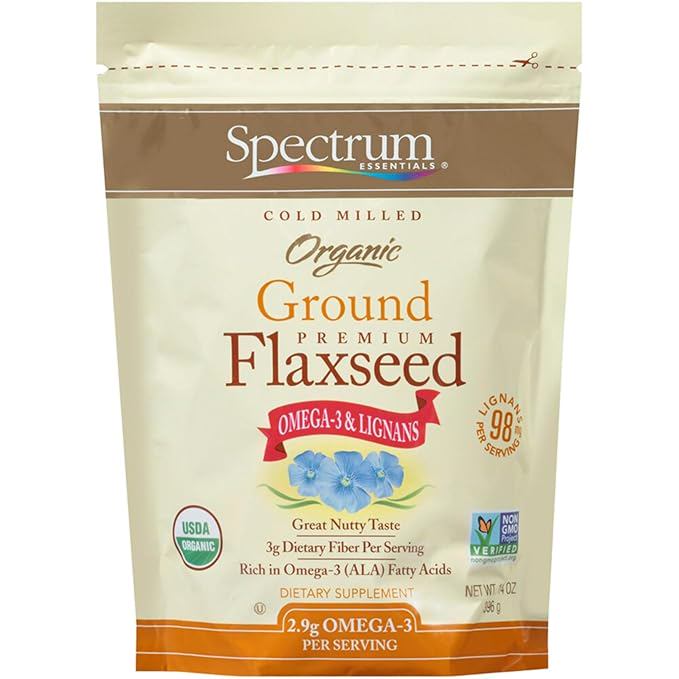
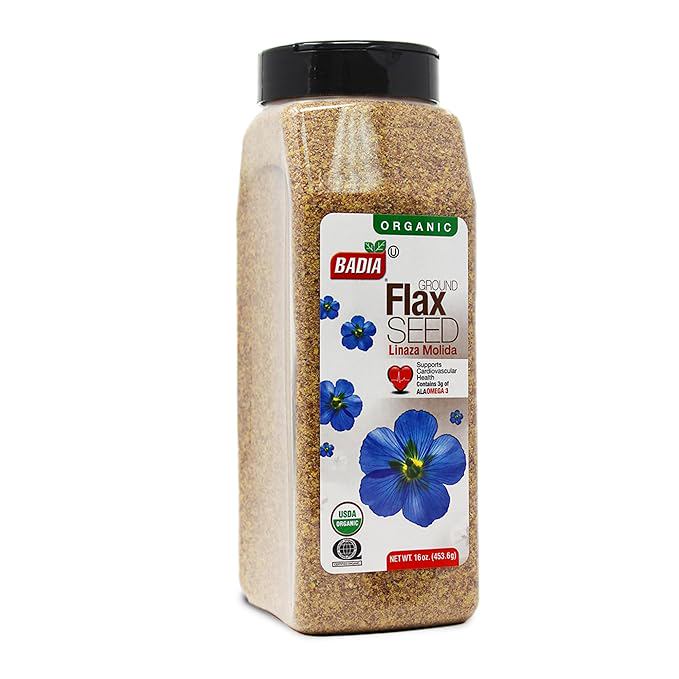
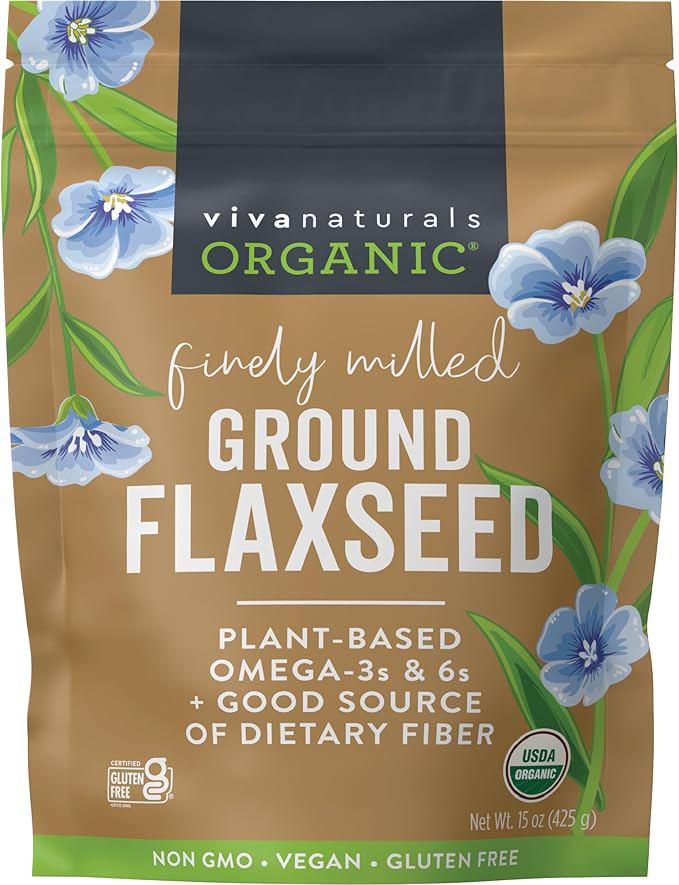
Ground flaxseed is a powerhouse of lignans—another type of phytoestrogen—along with omega-3 fatty acids and fiber. A small body of research indicates that daily flaxseed intake may reduce hot flash frequency and severity. Sprinkle a tablespoon of ground flaxseed over oatmeal, yogurt, or into a smoothie. Start low and go slow, as too much fiber at once can cause bloating.
“Adding flaxseed to your breakfast is an easy, low-effort change—but give it a few weeks before expecting results.”
3. Fatty fish
Cold-water fish like salmon, mackerel, and sardines are packed with omega-3 fatty acids. These healthy fats help dial down inflammation, and some studies link higher omega-3 intake with fewer night sweats and better overall mood during menopause. Aim for two servings of fatty fish per week. If you’re not a fish eater, talk to your doctor about a fish oil supplement, but food sources are generally preferred.
4. Leafy greens and cruciferous vegetables
Spinach, kale, broccoli, and Brussels sprouts deliver calcium, magnesium, and vitamin K—nutrients that support bone health (a major concern after menopause) and may help regulate body temperature. Magnesium, in particular, is known to promote relaxation and may improve sleep quality, which is often disrupted by night sweats. A large salad with dark leafy greens or a side of roasted broccoli can easily fit into most meals.
5. Berries and citrus
Blueberries, strawberries, raspberries, and oranges are loaded with vitamin C and antioxidants. These compounds help combat oxidative stress, which rises during menopause and may worsen inflammation—including the kind that triggers temperature dysregulation. A handful of berries on your cereal or a citrus fruit as a snack is a simple way to get more of these protective nutrients.
Other lifestyle habits that help
Diet is just one piece of the puzzle. To support your body during menopause:
- Stay hydrated — dehydration can trigger hot flashes.
- Limit triggers like caffeine, alcohol, and spicy foods (at least for now).
- Dress in layers so you can peel off a layer when a flash hits.
- Practice deep breathing or mindfulness — stress is a known hot-flash amplifier.
“Small, consistent changes to your plate and your day can add up—without needing a drastic overhaul.”
When to see a doctor
If hot flashes are severe, interfering with sleep, or lasting beyond the typical menopausal transition, talk to your healthcare provider. There are prescription therapies (like hormonal or non-hormonal medications) that can offer stronger relief. Food is a wonderful foundation, but it’s not a substitute for medical care when symptoms feel unmanageable.