
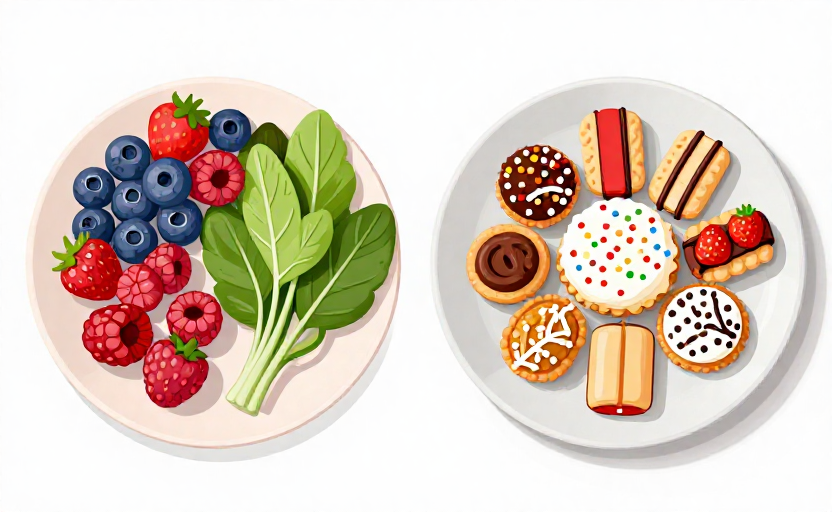
We often think of skincare as something we apply to our skin. Serums, moisturizers, and sunscreens are our frontline defense. But what we put into our bodies can be just as powerful. Certain foods and drinks, when consumed in excess, can contribute to processes that accelerate visible skin aging, from fine lines and wrinkles to dullness and loss of elasticity.
This isn't about promoting fear or a perfect diet. It's about understanding the connection. The skin is a living organ, and its health reflects our overall internal environment. By being mindful of a few common dietary patterns, you can support your skin's natural resilience from the inside out.
How does diet actually affect skin aging?
The primary mechanisms are inflammation and damage from molecules called advanced glycation end products (AGEs). Chronic, low-grade inflammation can break down collagen and elastin, the proteins that keep skin firm and springy. AGEs form when sugars bind to proteins like collagen, making them stiff and dysfunctional—a process aptly called glycation. This leads to a loss of skin elasticity and can contribute to a more aged appearance.
Sun exposure remains the single biggest external factor in skin aging, but diet can either exacerbate or help mitigate some of that damage. Think of it as one part of a holistic approach to skin health.
Foods and habits to be mindful of
Again, the goal is awareness, not elimination. Enjoying these in moderation is key. It's the consistent, high intake that may tip the scales toward visible effects on your skin over time.
1. Sugary foods and refined carbohydrates
This includes obvious sources like soda, candy, and pastries, but also white bread, many breakfast cereals, and other processed carbs that spike blood sugar quickly. The sugar surge fuels that glycation process, creating AGEs that damage collagen. A diet consistently high in sugar may also promote inflammation.
Swap in whole fruits for sweetness and choose whole grains like oats or quinoa to help maintain steadier blood sugar levels.
2. Processed and charred meats
Processed meats like sausages, bacon, and deli slices often contain high levels of sodium, preservatives, and saturated fats, which can promote inflammation. Additionally, cooking meats at very high temperatures (grilling or frying until charred) can generate AGEs directly in the food.
This doesn't mean giving up the occasional barbecue. It suggests balancing your plate with plenty of vegetables and opting for gentler cooking methods like baking or stewing more often.
3. Excessive alcohol
Alcohol is dehydrating, and that dryness can make skin appear more tired and accentuate lines. More significantly, alcohol metabolism generates free radicals—unstable molecules that damage cells—and can deplete the body of skin-protective antioxidants like vitamins A and C. It can also disrupt sleep, a critical time for skin repair and renewal.
4. Foods high in trans and certain saturated fats
While healthy fats are essential for skin, industrially produced trans fats (often listed as "partially hydrogenated oils") are strongly pro-inflammatory. They've been largely phased out but can still lurk in some fried foods, shortening, and older packaged snack recipes. A diet very high in certain saturated fats may also influence inflammation for some people.
Focus on getting fats from sources like avocados, nuts, seeds, and olive oil, which provide anti-inflammatory benefits.
5. Salty snacks and ultra-processed foods
A high-sodium diet can lead to water retention, which may cause puffiness, particularly under the eyes. More importantly, many ultra-processed snacks are a perfect storm: high in salt, sugar, unhealthy fats, and low in the antioxidants and nutrients your skin needs to thrive. They often displace more nutrient-dense whole foods from your diet.
Remember, your diet is a cumulative story. No single meal will age your skin. The focus should be on building a consistent pattern of eating that is rich in colorful fruits and vegetables, healthy fats, lean proteins, and whole grains. These provide the vitamins, minerals, and antioxidants that actively combat oxidative stress and support collagen production.
When you do enjoy the foods mentioned here, do so mindfully and in balance. Protecting your skin with a broad-spectrum sunscreen daily, staying hydrated, managing stress, and getting quality sleep are the other essential chapters in that story. Your skin reflects your overall well-being, and small, sustainable choices in the kitchen can be a profound form of self-care.