The connection between what we eat and how we feel is more direct than many realize. While a balanced diet supports overall wellness, certain foods stand out for their ability to nudge our brain chemistry in a positive direction. If you have been feeling irritable, low, or emotionally fragile, it is worth looking at your plate. Here are five foods that help stabilize mood and support emotional balance—backed by nutritional science and practical enough to add to your weekly grocery list.
Fatty fish for omega-3 support
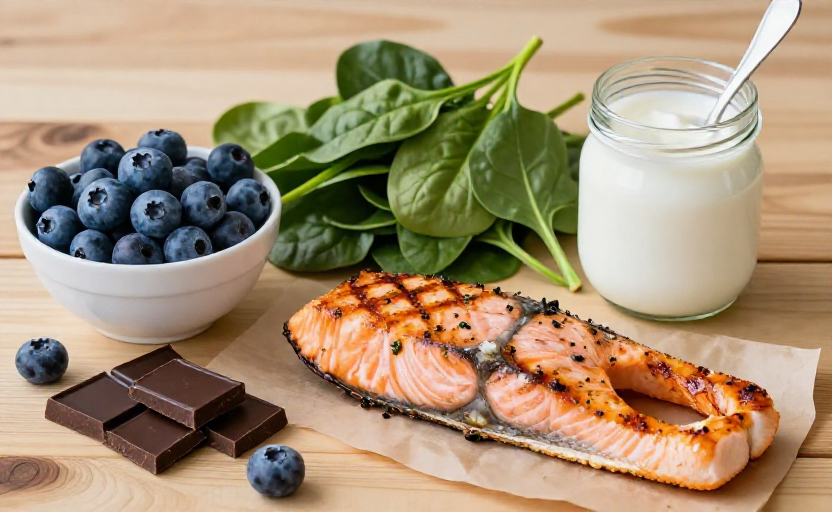
Fatty fish like salmon, mackerel, sardines, and herring are some of the richest natural sources of omega-3 fatty acids—specifically EPA and DHA. These fats are essential for brain health. They help build cell membranes in the brain and have anti-inflammatory effects that may protect against mood disorders. Research suggests that people who eat a diet rich in omega-3s tend to have lower rates of depression. The body cannot produce these fats on its own, so food sources matter. Aim to include fatty fish in your meals a couple of times per week. For those who do not eat fish, algae-based omega-3 supplements or foods fortified with DHA can be helpful alternatives.
Dark leafy greens for folate and magnesium
Spinach, kale, Swiss chard, and collard greens are packed with nutrients that directly influence mood. Folate (a B vitamin) helps your body produce dopamine and serotonin, the neurotransmitters that regulate pleasure and calm. Low folate levels have been linked to a higher risk of depression. These greens are also a top source of magnesium, a mineral that helps manage stress by regulating the body's cortisol response and promoting relaxation. Magnesium deficiency is common and can show up as anxiety, irritability, or trouble sleeping. A simple way to get more is to add a handful of spinach to smoothies, omelets, or pasta sauces. It wilts down easily and adds nutrition without changing the flavor much.
Fermented foods for gut-brain connection
The gut and brain are in constant communication via the vagus nerve, and a healthy gut microbiome is linked to better emotional well-being. Fermented foods like yogurt, kefir, sauerkraut, kimchi, and kombucha contain live probiotics that support a diverse and balanced gut flora. Some studies indicate that probiotic-rich foods can help reduce symptoms of anxiety and depression. The mechanism is not fully understood, but it likely involves reduced inflammation and improved production of neurotransmitters in the gut. For best results, choose plain, unsweetened yogurt or kefir to avoid added sugars that can counteract the benefits. Even a small serving of sauerkraut or kimchi as a side dish can make a difference over time.
Berries for antioxidants and vitamin C
Blueberries, strawberries, blackberries, and raspberries are more than just sweet treats. They are loaded with antioxidants called flavonoids, which help reduce oxidative stress and inflammation in the brain. High oxidative stress has been linked to mood disorders and cognitive decline. Berries also contain vitamin C, which supports the adrenal glands and helps the body manage stress. A handful of berries mixed into oatmeal, yogurt, or a simple smoothie can provide a steady release of energy and a mood-supportive nutrient punch. Frozen berries work just as well as fresh and are often more affordable year-round.
Dark chocolate for pleasure and calm
Dark chocolate—specifically varieties with 70% cocoa or higher—offers a unique combination of mood-friendly compounds. It contains tryptophan, which the body uses to produce serotonin; theobromine, a mild stimulant that can improve focus without jitters; and flavonoids that boost blood flow to the brain. Eating a small square of dark chocolate can trigger a gentle release of endorphins, the brain's natural feel-good chemicals. The key is moderation: one or two small squares per day is enough to get the benefits without overdoing sugar or calories. Choose bars with minimal added sugar and no dairy fillers.
Small, consistent additions to your daily diet can influence how you feel over the long term. No single food is a cure, but together they build a foundation for steadier moods.
Adding these foods to your routine is not about strict rules or overnight change. It is about gently shifting your eating pattern to include more of what your brain and nervous system need to function well. Pair these choices with regular meals that include protein, fiber, and healthy fats for more stable blood sugar—another key factor in emotional balance.