When the lines between work and home blur, cortisol—your body's primary stress hormone—can stay elevated for too long. A little cortisol helps you get through a tight deadline, but chronic elevation affects sleep, appetite, and mood. While rest and boundaries matter, what you eat can also nudge your system back toward balance.
These five foods are backed by research on how they influence cortisol production or clearance. They're not a cure, but they can be a useful part of a stress-management routine. Think of them as small, steady moves toward calm.
1. Dark chocolate
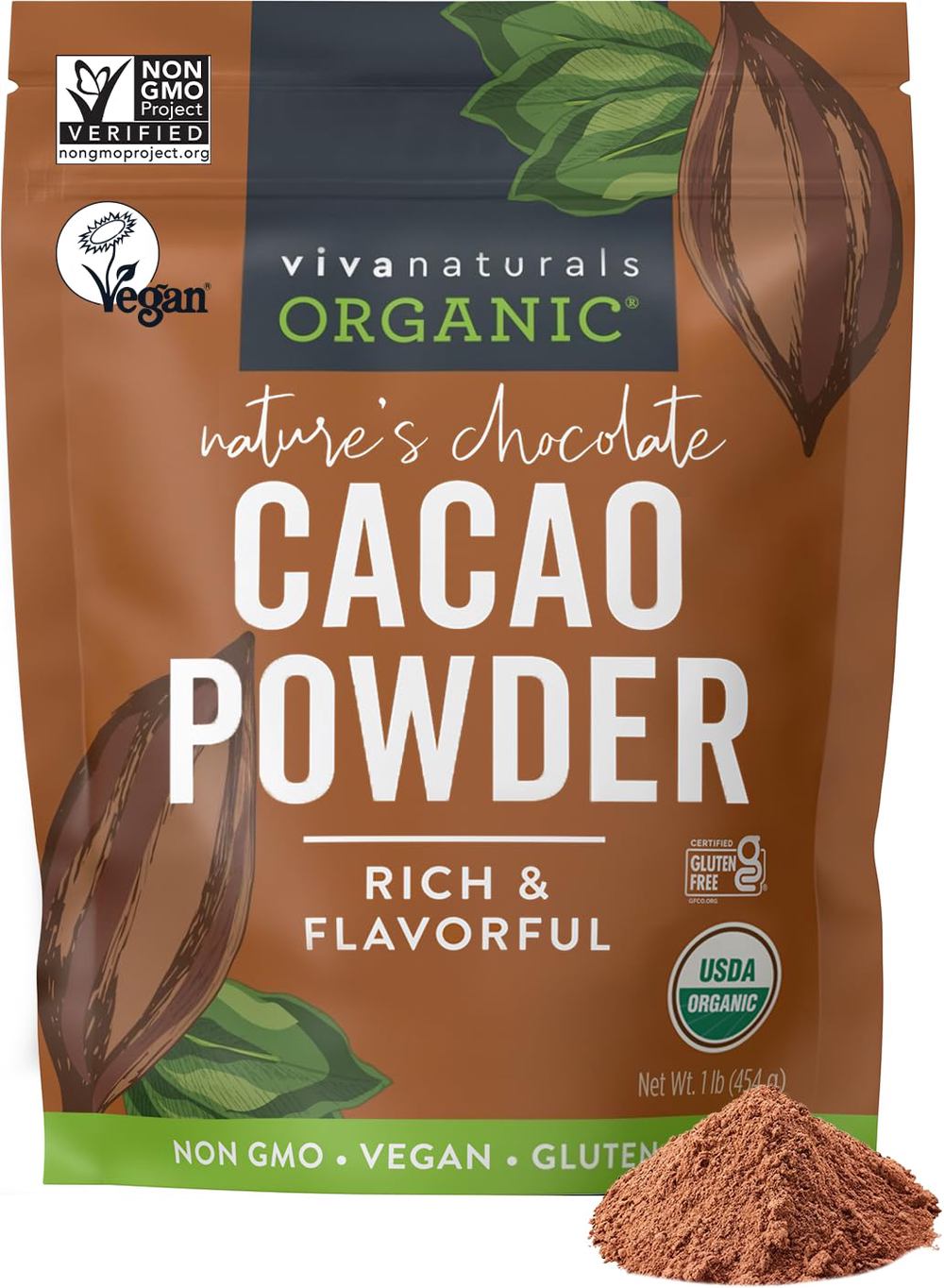
Dark chocolate (at least 70% cocoa) is rich in flavonoids and magnesium, both of which have been linked to lower cortisol levels. In one study, people who ate a small amount of dark chocolate daily for two weeks reported less stress and had lower levels of stress hormones. The magnesium content helps relax the nervous system, while the antioxidants support the body's ability to handle oxidative stress. A square or two—not a whole bar—can be a satisfying addition to a midday snack.
2. Fatty fish
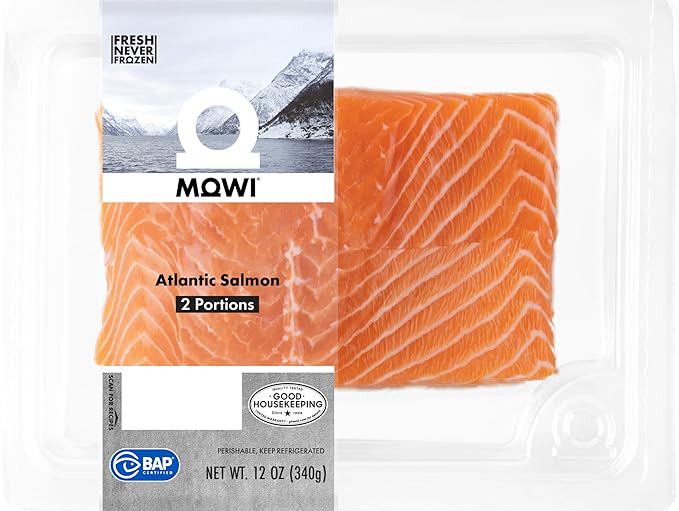
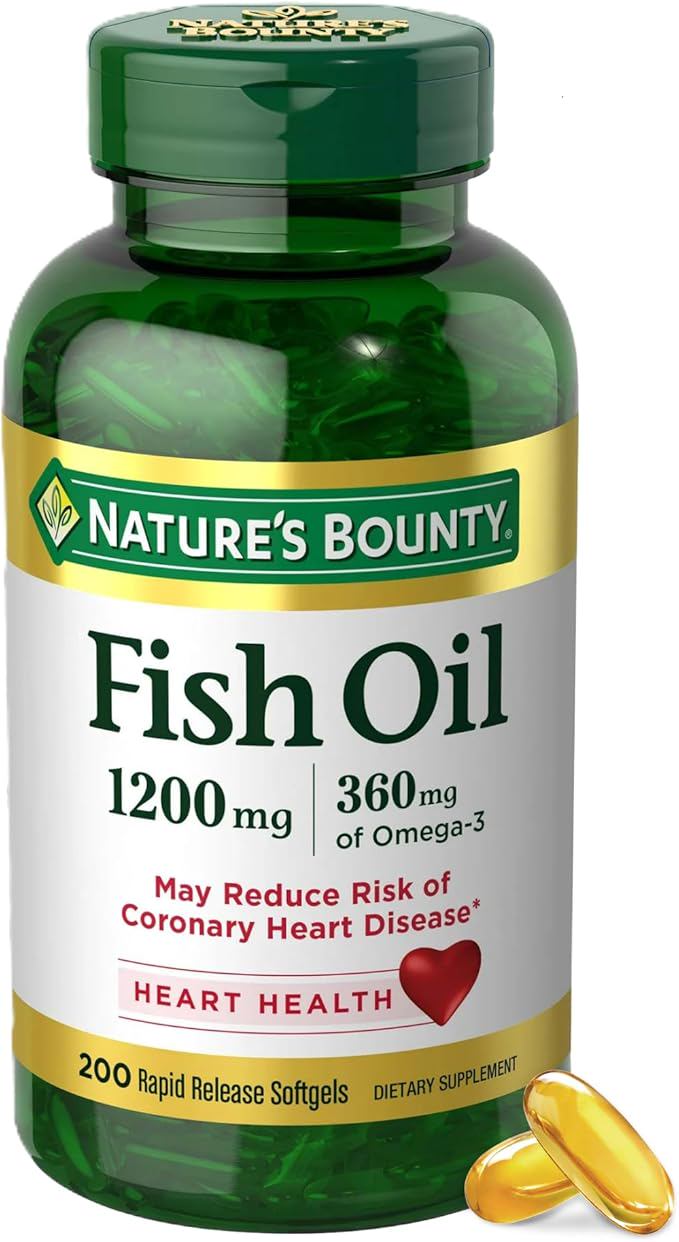
Salmon, mackerel, sardines, and anchovies are packed with omega-3 fatty acids, which help regulate the body's stress response. Omega-3s can reduce inflammation that often accompanies chronic stress and may help keep cortisol in check by supporting the hypothalamus-pituitary-adrenal (HPA) axis. Aim for two servings per week, or source omega-3s from walnuts and flaxseeds if fish isn't your thing.
3. Fermented foods
Your gut and brain are in constant communication, and stress can disrupt the gut microbiome. Fermented foods like yogurt, kefir, sauerkraut, kimchi, and miso support a healthy gut environment. A balanced microbiome helps regulate inflammation and may moderate cortisol production through the gut-brain axis. Even half a cup of plain yogurt or a spoonful of kimchi at dinner can make a difference over time.
4. Leafy greens
Spinach, kale, Swiss chard, and other leafy greens are excellent sources of magnesium, a mineral that many people don't get enough of. Low magnesium levels are associated with higher cortisol output, especially under stress. Magnesium helps the body's HPA axis function properly, so the stress response starts and stops as it should. A big handful of greens in a smoothie, omelet, or salad is an easy way to boost your intake.
5. Berries
Blueberries, strawberries, raspberries, and blackberries are high in vitamin C and polyphenols. Vitamin C is used in the adrenal glands to produce cortisol, and when you're stressed, those glands get worked hard. Some research suggests that supplementing with vitamin C can blunt the rise in cortisol after a stressful event. Eating a cup of fresh or frozen berries provides that vitamin C plus fiber and antioxidants to support overall resilience.
Remember: No single food will fix a high-stress life on its own. These ingredients work best when they're part of a balanced diet, consistent sleep schedule, and regular movement that suits your body.
If you're feeling the strain of a tough work-life balance, try swapping one processed snack for a handful of berries, adding greens to your lunch, or finishing your day with a small piece of dark chocolate. Small changes can add up.