
If you've ever fallen into the trap of late-night scrolling—a quick check of social media that somehow turns into an hour of blue light exposure—you know the struggle of trying to wind down afterward. That glow from your phone doesn't just keep your brain stimulated; it actively suppresses melatonin, the hormone that tells your body it's time to rest. While the obvious fix is to put the phone away earlier, certain foods can help nudge your sleep chemistry back on track when you've already been staring at a screen too long.
Below are five evidence-backed foods that support the body's natural sleep repair mechanisms, especially after screen time has disrupted your usual rhythm. None of these are quick sedatives; they work gradually by supplying nutrients your brain and nervous system need to calm down and prepare for deep rest.
1. Tart Cherries—Nature's Melatonin Source
Tart cherries, particularly the Montmorency variety, are one of the few foods that naturally contain melatonin. Studies suggest that drinking tart cherry juice or eating the fruit can modestly increase circulating melatonin levels and improve sleep duration and quality. After a session of late-night browsing, a small glass of unsweetened tart cherry juice or a handful of dried tart cherries may help counteract some of the melatonin suppression caused by blue light.
What makes them especially useful is that they also contain anti-inflammatory compounds, which can help lower the low-grade inflammation that poor sleep can trigger. Try having a small portion about an hour before you intend to sleep, not right at bedtime.
2. Kiwi—Serotonin Support for Sleep Onset
Kiwifruit has garnered attention in sleep research for its potential to improve sleep onset, duration, and efficiency. In one study, adults who ate two kiwis an hour before bed for four weeks fell asleep faster and slept more soundly. Kiwis are rich in serotonin, a neurotransmitter that the body uses to produce melatonin. They also contain high levels of vitamin C and antioxidants, which may help reduce stress-related sleep disruption.
Because serotonin plays a role in regulating the sleep-wake cycle, a kiwi snack after screen time could provide the raw materials your brain needs to shift gears from alertness to relaxation.
3. Walnuts—A Magnesium-Rich Evening Snack
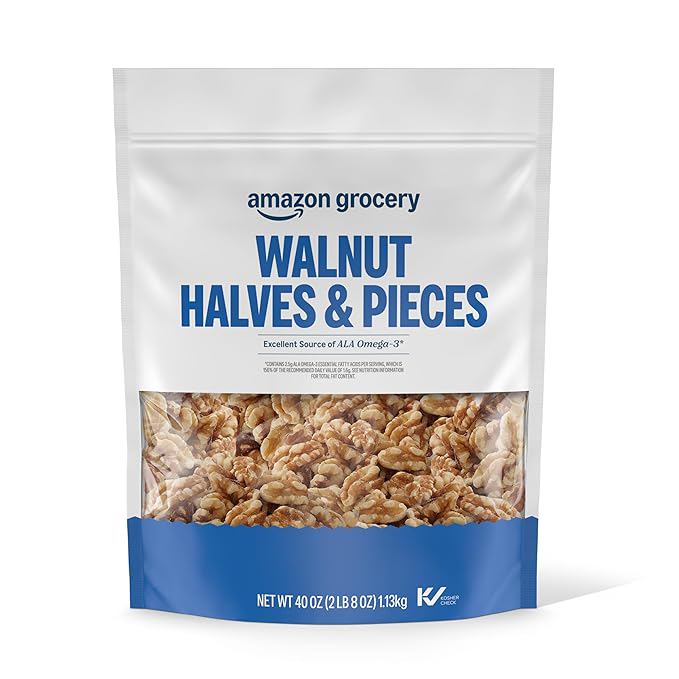
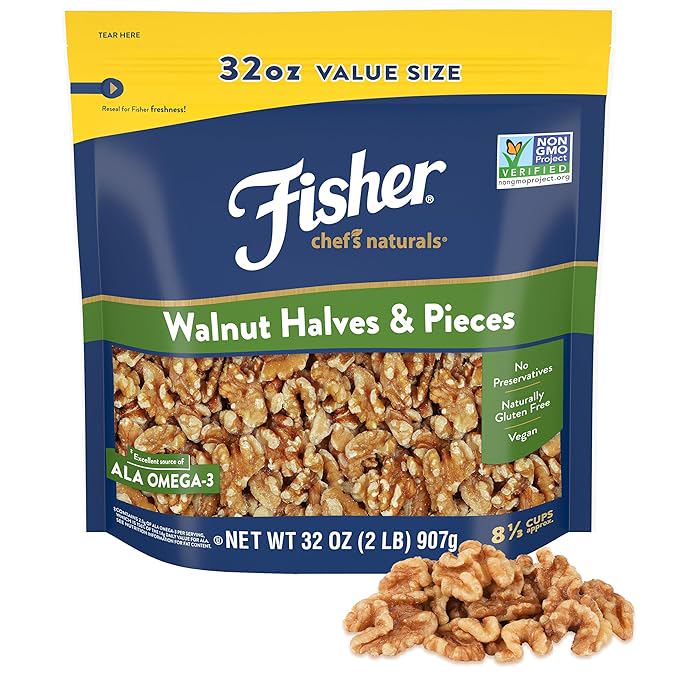
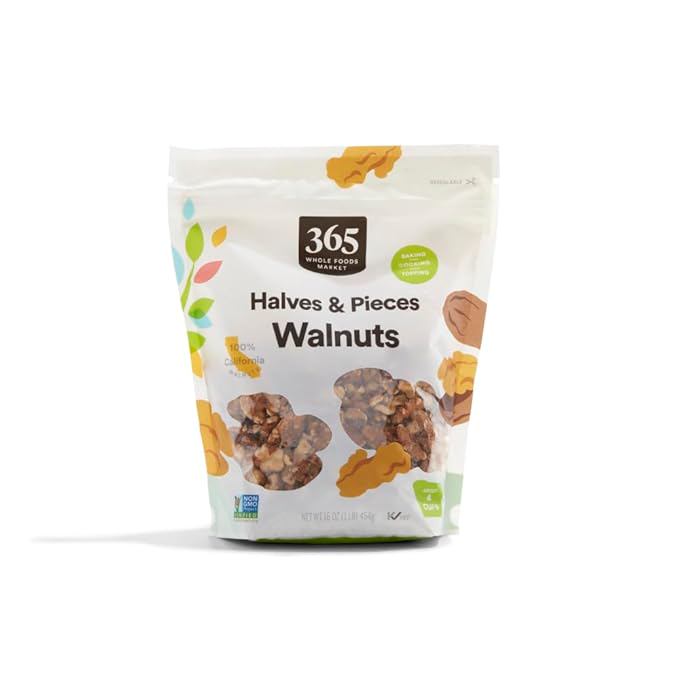
Walnuts are a solid choice when you need a small, satisfying snack that supports sleep. They are one of the few plant foods that contain a measurable amount of melatonin, along with magnesium, a mineral known to help calm the nervous system and promote muscle relaxation. Magnesium deficiency has been linked to poor sleep quality and difficulty falling asleep.
An ounce of walnuts (about a handful) provides about 45 milligrams of magnesium and a modest dose of melatonin. They also supply healthy omega-3 fatty acids, which may help reduce nighttime inflammation. Keep the portion small—too much fat right before bed can cause digestive discomfort.
4. Bananas—Potassium and Magnesium for Nighttime Recovery
A banana is a convenient, portable option that delivers potassium and magnesium, two electrolytes that help relax muscles and support steady nerve function. After screen time, when your nervous system may still be revved up, these minerals can help ease physical tension. Bananas also contain tryptophan, an amino acid the body converts into serotonin and then melatonin.
The natural sugars in a banana are balanced by fiber, so you get a gentle energy lift that doesn't spike blood sugar, making it a better pre-sleep choice than sugary or refined-carb snacks that can fragment sleep.
5. Oats—Complex Carbs for Tryptophan Transport
A small bowl of oatmeal made with whole oats provides complex carbohydrates that can help shuttle tryptophan into the brain more effectively. When you eat carbs, the body releases insulin, which helps clear competing amino acids from the bloodstream, leaving tryptophan with a clearer path to the brain. Once there, it can be converted into serotonin and then melatonin.
Oats also supply magnesium, B vitamins, and a small amount of melatonin naturally. Choose plain oats with minimal added sugar; avoid instant packets loaded with sweeteners, which can disrupt sleep. If you need a little sweetness, try a sprinkle of cinnamon or a few chopped walnuts.
Putting It Together: A Late-Night Screen Recovery Routine
These foods aren't a substitute for good sleep hygiene—they work best alongside practical habits like setting a screen curfew, dimming your devices, or using blue-light blocking settings. But if you've already scrolled past your intended bedtime, a small snack from this list can give your body a gentle biochemical nudge toward rest.
Quick tip: Pair a tryptophan-containing food (like a banana or oats) with a small amount of complex carbs to improve absorption. Avoid large, heavy meals within two hours of sleep.
Think of these foods as supportive tools, not sleep drugs. Consistency matters more than quantity. A single kiwi or a handful of walnuts won't fix weeks of poor sleep overnight, but incorporating them regularly into your evening wind-down may help your brain and body reset more efficiently after screen exposure.
Disclaimer: This content is for general educational purposes only and does not constitute medical advice. If you have chronic sleep issues, consult a healthcare professional for personalized guidance.