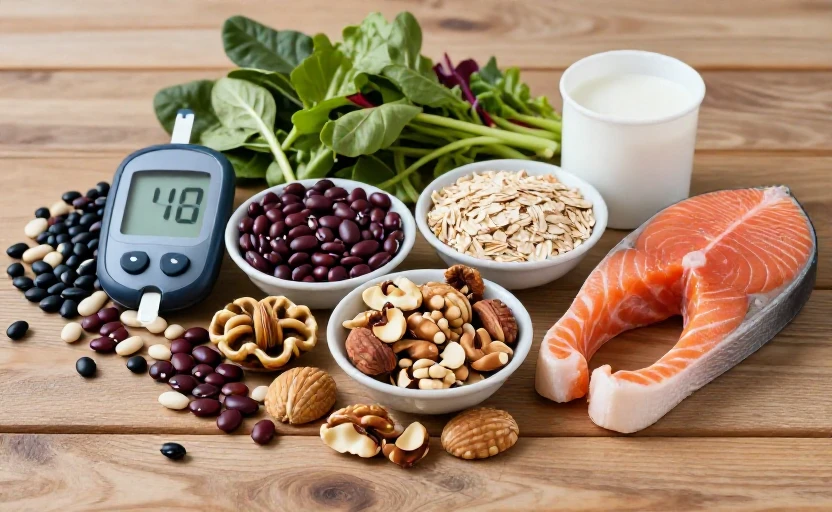
Managing blood sugar is a daily consideration for millions, and while medication plays a crucial role for many, the food on your plate is a powerful, foundational tool. It’s not about restrictive diets or magic bullets, but about incorporating nutrient-rich, satisfying foods that work with your body. We spoke with dietitians to highlight five foods that consistently earn a spot on their recommendation lists for their natural ability to support healthier blood sugar levels.
These foods aren’t exotic or difficult to find. Their power lies in specific nutrients—like fiber, healthy fats, and certain antioxidants—that help slow the absorption of sugar into your bloodstream, improve insulin sensitivity, and provide steady energy. Think of them as allies in your overall wellness strategy.
Why These Foods Make a Difference
Before we get to the list, it helps to understand the simple mechanics at play. When you eat carbohydrates, your body breaks them down into glucose (sugar), which enters your bloodstream. Insulin, a hormone, then helps move that glucose into your cells for energy. Foods that cause a rapid, large spike in blood glucose demand a lot of insulin quickly.
The foods dietitians recommend often share a few key traits:
- High Fiber: Soluble fiber, in particular, forms a gel-like substance in your gut that slows digestion and the release of glucose.
- Healthy Fats & Protein: These nutrients promote satiety and further slow gastric emptying, leading to a more gradual rise in blood sugar.
- Low Glycemic Impact: They cause a slower, lower rise in blood glucose compared to other carbohydrate foods.
The goal isn’t to avoid carbs, but to choose them wisely and pair them strategically with fiber, protein, and fat.
1. Legumes: Beans, Lentils, and Chickpeas
Legumes are a triple threat in blood sugar management. They are rich in soluble fiber, contain a significant amount of plant-based protein, and have a low glycemic index. This combination is exceptionally effective at blunting blood sugar spikes after a meal.
“I often suggest adding a half-cup of beans or lentils to a meal,” says one registered dietitian. “They add substance and staying power to salads, soups, and bowls, and their fiber directly interferes with the absorption of other carbohydrates on the plate.” Studies have shown that regularly consuming legumes can improve long-term blood sugar control markers, like HbA1c.
How to Include Them
Start with one or two servings per week if they’re new to your diet. Rinse canned beans to reduce sodium. Try black beans in an omelet, lentil soup for lunch, or hummus (made from chickpeas) with vegetable sticks for a snack.
2. Non-Starchy Vegetables
This category includes leafy greens (spinach, kale), cruciferous veggies (broccoli, cauliflower, Brussels sprouts), peppers, mushrooms, and asparagus. They are very low in digestible carbohydrates and calories but high in volume, fiber, and essential nutrients.
Their high fiber and water content means they fill you up without significantly impacting blood glucose. Dietitians emphasize their role in creating a “full plate” that satisfies visually and physically, which can naturally crowd out more processed, blood-sugar-spiking foods.
Fill half your plate with non-starchy vegetables at lunch and dinner. It’s one of the simplest, most effective dietary shifts you can make.
3. Nuts and Seeds
A small handful of nuts or seeds provides healthy fats, protein, and fiber. The fat, particularly monounsaturated and polyunsaturated fats, slows digestion. Research indicates that regular nut consumption is associated with better glycemic control and a reduced risk of developing type 2 diabetes.
Almonds, walnuts, pistachios, chia seeds, and flaxseeds are standout choices. Chia and flax are also excellent sources of soluble fiber. The key is portion control—about one ounce (a small handful) is sufficient to reap the benefits without excess calories.
A Simple Tip
Add a tablespoon of ground flaxseed or chia seeds to your morning oatmeal or yogurt. The soluble fiber will help stabilize your blood sugar response to the entire meal.
4. Whole, Intact Grains
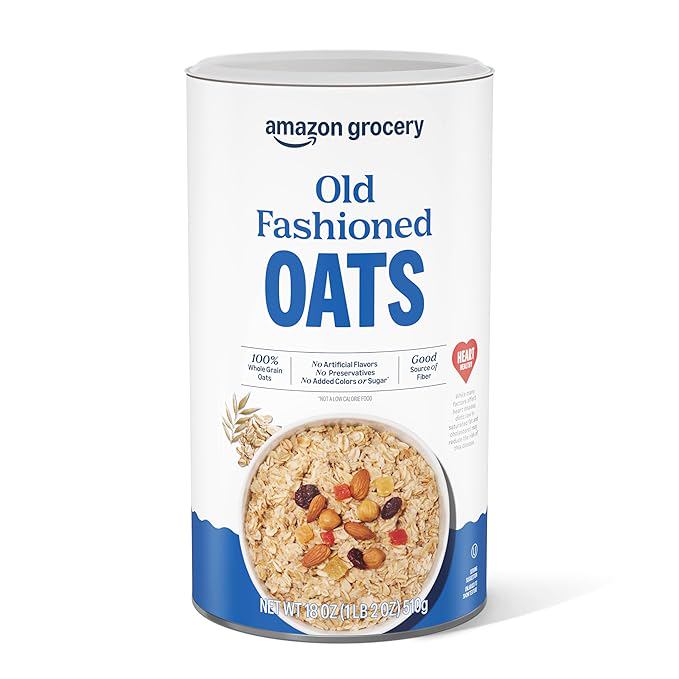
Not all grains are created equal. Dietitians specifically recommend intact whole grains like oats (especially steel-cut or old-fashioned), quinoa, barley, and farro over processed whole-wheat bread or crackers. The intact grain kernel has its fiber-rich bran and germ layer still in place, which slows digestion dramatically.
Oats are famous for their beta-glucan, a type of soluble fiber that has been shown to improve insulin sensitivity and lower blood sugar spikes after meals. A bowl of steel-cut oats for breakfast can set a stable tone for the day.
5. Fatty Fish
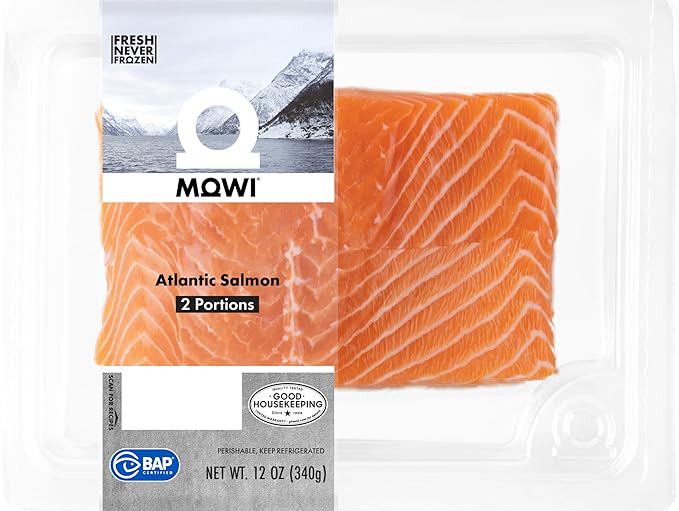
While not a source of fiber, fatty fish like salmon, mackerel, sardines, and albacore tuna are rich in omega-3 fatty acids. Chronic inflammation is linked to insulin resistance, where your cells don’t respond well to insulin. The omega-3s in fish help reduce this inflammation, thereby improving how your body uses insulin.
“I view fatty fish as a supporting actor for metabolic health,” explains a dietitian. “It addresses the underlying inflammation that can make blood sugar management more difficult.” Aiming for two servings per week is a common recommendation for overall heart and metabolic health.
Building a Balanced Approach
Incorporating these foods works best as part of a consistent, balanced pattern of eating. It’s less about focusing on one “superfood” at one meal and more about creating meals and snacks that combine these principles regularly.
For example, a lunch that supports stable blood sugar might include:
Grilled salmon (fatty fish) on a large bed of mixed greens and roasted broccoli (non-starchy vegetables) with a side of quinoa (intact whole grain) and a lemon-tahini (sesame seed) dressing.
Remember, individual responses to food can vary. Monitoring how you feel after meals and, if you check your glucose, noting your body’s response is the best personal guide. Always discuss significant dietary changes with your healthcare provider or a registered dietitian who can tailor advice to your unique health profile.
These five food groups offer a delicious, evidence-based path to nourishing your body and naturally supporting healthier blood sugar levels, one meal at a time.