If you’ve been told you have insulin resistance or are at risk for it, you’ve likely heard that what you eat matters. It can feel overwhelming, but the good news is that food is also one of your most powerful tools for change. Instead of focusing solely on restriction, shifting your perspective toward adding specific, nutrient-rich foods can make a meaningful difference in how your body responds to insulin.
We spoke with dietitians to understand which foods truly stand out in the fight against insulin resistance. Their recommendations aren’t about magic bullets, but about consistent, science-backed choices that support your metabolism, reduce inflammation, and help your cells become more receptive to insulin’s signal.
What is insulin resistance, and how does food help?
Think of insulin as a key that unlocks your cells to let glucose (sugar) in for energy. With insulin resistance, the locks on your cells become a bit rusty or gummed up. Your pancreas has to produce more and more insulin—shouting louder, in a sense—to get the same job done. Over time, this can lead to elevated blood sugar and, potentially, type 2 diabetes.
Food influences this process in several key ways. Certain foods can help reduce the inflammation that contributes to those rusty locks. Others provide fiber, which slows the absorption of sugar into your bloodstream, preventing the sharp spikes that demand a flood of insulin. Some nutrients directly improve how your cells respond to insulin’s signal. The goal is to choose foods that work with your biology, not against it.
Five foods dietitians want on your plate
These foods earned their spot not through fleeting trends, but through consistent evidence of their benefits for metabolic health. Incorporating them regularly is a practical step toward supporting your body.
1. Legumes: Beans, lentils, and chickpeas
“Legumes are a triple threat for insulin resistance,” notes one registered dietitian. They are packed with soluble fiber, which forms a gel-like substance in your gut. This slows digestion and the release of glucose, leading to a more gradual, manageable rise in blood sugar and insulin after a meal.
They’re also an excellent source of plant-based protein and resistant starch—a type of carbohydrate that acts more like fiber, feeding your beneficial gut bacteria. A healthier gut microbiome is increasingly linked to improved metabolic function. Try adding black beans to a salad, blending lentils into a soup, or enjoying hummus with vegetable sticks.
Start with one meatless meal a week centered on legumes. Your digestive system will thank you for the gradual introduction of extra fiber.
2. Fatty fish like salmon and sardines
The omega-3 fatty acids (specifically EPA and DHA) found in fatty fish are potent anti-inflammatory agents. Since chronic, low-grade inflammation is a key driver of insulin resistance, regularly consuming these fats can help address the root cause.
“Omega-3s appear to improve insulin sensitivity at the cellular level,” explains a dietitian specializing in metabolic health. “Aim for two servings of fatty fish per week.” Sardines and mackerel are also fantastic, often more affordable, and lower in contaminants than some larger fish.
3. Leafy green vegetables
Spinach, kale, Swiss chard, and collard greens are incredibly low in digestible carbohydrates and calories but high in volume, nutrients, and antioxidants like magnesium and polyphenols. Magnesium, in particular, plays a crucial role in glucose metabolism, and many people don’t get enough.
Their high fiber and water content adds bulk to meals, promoting fullness without spiking blood sugar. Think beyond the side salad: blend greens into a smoothie, stir them into soups at the last minute, or sauté them with garlic as a bed for your protein.
4. Berries
Yes, you can enjoy fruit. Berries—blueberries, strawberries, raspberries, blackberries—are lower in sugar than many other fruits and exceptionally high in fiber and antioxidants. The anthocyanins that give them their vibrant colors have been shown to improve insulin sensitivity and reduce oxidative stress.
The fiber in berries helps blunt their natural sugar impact. Enjoy them on their own, mixed into plain yogurt, or frozen as a sweet treat. One dietitian suggests, “If you’re craving something sweet after a meal, a handful of berries can satisfy that urge in a metabolically supportive way.”
5. Nuts and seeds
Walnuts, almonds, chia seeds, and flaxseeds provide healthy fats, fiber, and a small amount of protein. This combination makes them a superb snack that stabilizes blood sugar. The fat and fiber slow gastric emptying, preventing a rapid sugar rush.
Nuts also contain magnesium and healthy fats that combat inflammation. A small handful (about a quarter-cup) is a perfect portion. Sprinkle seeds on oatmeal or yogurt, or add a few nuts to a salad for crunch and staying power.
How to build your meals with insulin sensitivity in mind
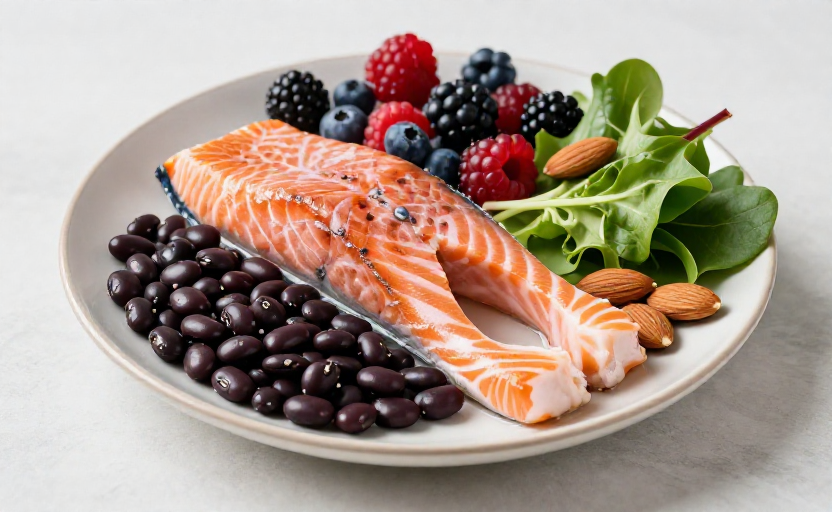
Knowing which foods to choose is one thing; putting them together is another. A simple, effective framework is the plate method: aim to fill half your plate with non-starchy vegetables (like those leafy greens), a quarter with lean protein (like legumes or fish), and a quarter with a high-fiber carbohydrate (like quinoa, sweet potato, or more legumes).
Always pair carbohydrates with protein, fat, or fiber. An apple alone might spike blood sugar more quickly than an apple with a tablespoon of almond butter. This pairing smooths out the glucose curve, demanding less insulin from your pancreas.
Finally, consider the order in which you eat. Some research suggests that eating vegetables and protein first, followed by carbohydrates, can lead to a slower, lower rise in post-meal blood sugar compared to eating carbs first.
A note on what to limit
While adding beneficial foods is the most positive approach, it’s also helpful to be mindful of foods that can exacerbate insulin resistance when consumed in excess. These are primarily highly processed foods with added sugars, refined grains (like white bread and pastries), and sugary beverages. These are digested quickly, causing rapid spikes in blood glucose and demanding a large insulin response. They also tend to be low in the fiber and nutrients that support metabolic health. Think of them as the opposite of the fiber-rich, nutrient-dense foods listed above.
Improving insulin resistance is a marathon, not a sprint. It’s about the consistent pattern of your choices, not perfection at every single meal. By making these five foods regular players in your diet, you’re providing your body with the specific tools it needs to build better metabolic health, one meal at a time.