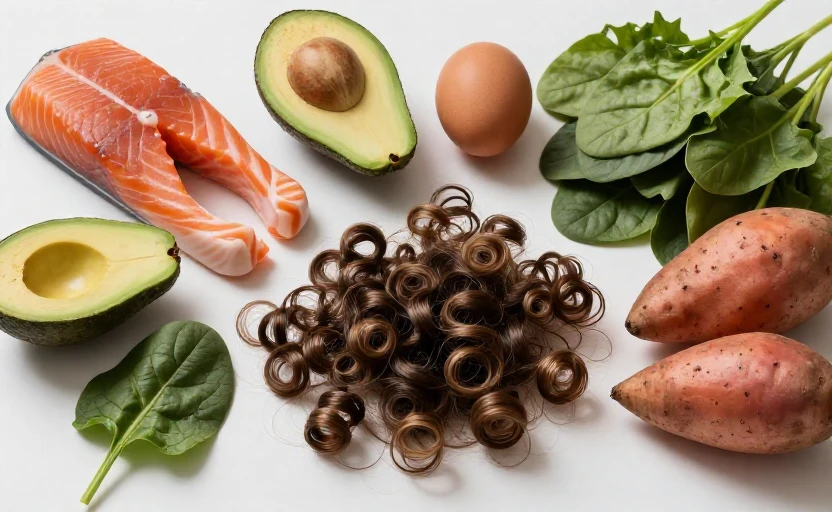
For those with curly hair, split ends can feel like an inevitable battle. The unique structure of curls—with its twists, turns, and often drier texture—makes the ends particularly vulnerable to fraying and damage. While external treatments like trims and protective styles are crucial, the foundation for resilient hair is built from within. The right nutrients can fortify your strands from the inside out, helping to prevent the dryness and weakness that lead to splits. Let’s explore five key foods that can support your curly hair’s health and integrity.
How does nutrition affect split ends?
Think of each hair strand as a length of rope. The outer protective layer, or cuticle, is made of overlapping scales. When this layer becomes dry, brittle, or damaged from chemical processing, heat, or friction, those scales lift and fray, creating a split end. Curly hair is especially prone because its natural oils have a harder time traveling down the spiraled shaft, leaving the ends under-lubricated. Nutrition plays a direct role by providing the building blocks for strong keratin (hair’s protein), maintaining moisture balance, and protecting against oxidative stress that weakens the hair fiber. Feeding your body the right nutrients helps create stronger, more flexible strands that are better equipped to resist splitting.
Foods to help fortify your curls
Instead of focusing on complex recipes or drastic diets, consider weaving these specific, nutrient-rich foods into your regular meals. Their benefits work synergistically to support overall hair health.
1. Fatty fish (like salmon and mackerel)
Fatty fish are a powerhouse for hair hydration. They are rich in omega-3 fatty acids, which your body cannot produce on its own. These healthy fats help nourish the scalp, reduce inflammation that can hinder hair growth, and add a vital layer of moisture to the hair shaft itself. Well-hydrated hair is more pliable and less likely to become brittle and snap. Furthermore, salmon is an excellent source of high-quality protein and vitamin D, both of which are fundamental for strong hair growth. Aiming for two servings a week can make a noticeable difference in your hair’s texture and resilience.
2. Sweet potatoes
Your body converts the beta-carotene in sweet potatoes into vitamin A, a nutrient essential for the health of all skin cells, including those on your scalp. A healthy scalp is the bedrock for healthy hair growth. Vitamin A also aids in the production of sebum, your scalp’s natural oil. While curly ends may not see all of this oil, a well-regulated, moisturized scalp creates a better environment for strong hair to emerge. The antioxidant properties of beta-carotene also help protect hair follicles from damage. Enjoy them roasted, mashed, or as a hearty addition to stews.
3. Eggs
Hair is primarily made of a protein called keratin. Without adequate protein in your diet, your body may ration it, leading to weak, brittle hair that’s prone to splitting. Eggs are a complete protein source, meaning they contain all nine essential amino acids your body needs. They’re also incredibly rich in biotin, a B-vitamin crucial for keratin production. A biotin deficiency, though rare, can directly lead to hair thinning and brittleness. Including eggs in your diet provides a double dose of the fundamental materials your body uses to build strong, resilient strands from the root up.
Consistency is key. The benefits of these foods come from making them a regular part of your overall balanced diet, not from a single meal.
4. Spinach and other dark leafy greens
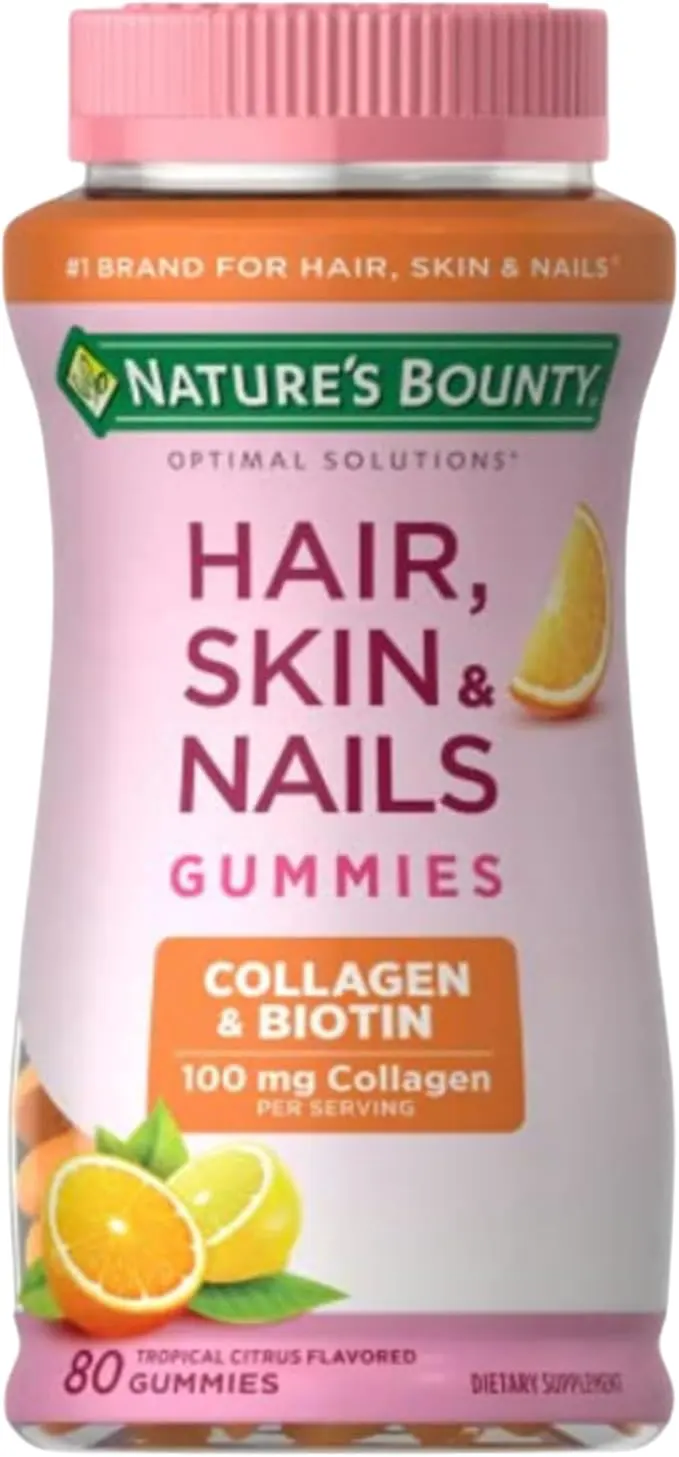
Iron deficiency is a common cause of hair loss and lackluster strands. Spinach is loaded with iron, as well as folate, and vitamins A and C. Vitamin C, in particular, is vital as it helps your body absorb iron and is a key player in producing collagen—a protein that strengthens the hair and prevents it from becoming fragile. The combination of nutrients in dark greens like spinach, kale, and Swiss chard supports robust blood circulation to the scalp, ensuring hair follicles get the oxygen and nutrients they need to produce healthy hair that can withstand daily wear and tear.
5. Avocados
Avocados deliver healthy fats and vitamin E directly to your hair’s defense system. Vitamin E is a potent antioxidant that helps protect hair from the oxidative stress caused by sun exposure and environmental pollutants—common culprits in cuticle damage. The monounsaturated fats in avocados support scalp health and help your body absorb other fat-soluble vitamins (like A and E) from the foods you eat. You can think of avocados as both a shield and a delivery system, working to protect your strands and enhance the benefits of other nutrient-rich foods on your plate.
Supporting your hair care routine
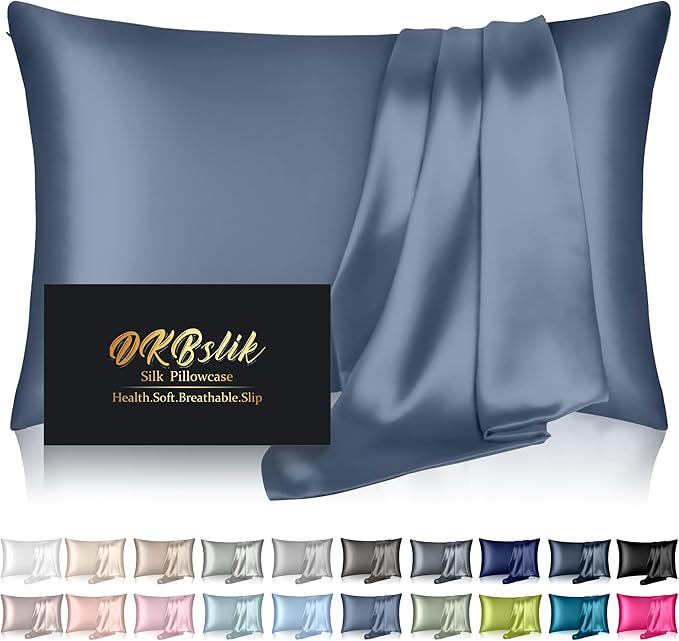
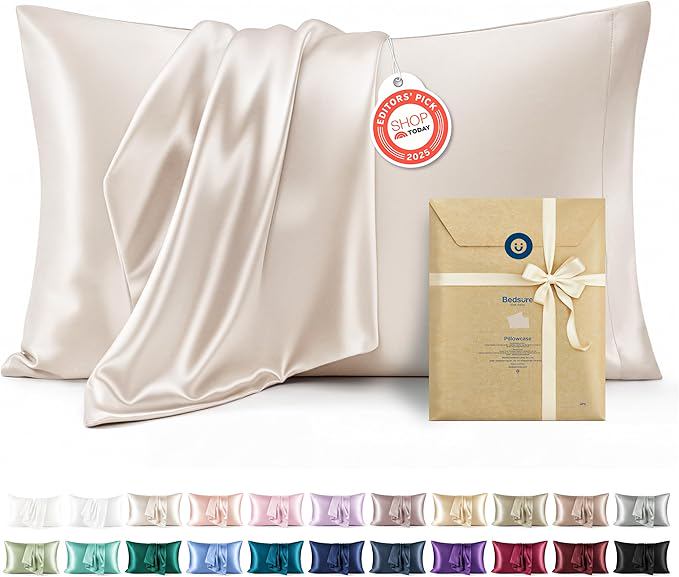
While nutrition builds internal strength, your external habits protect that investment. Always handle wet hair gently, as it’s at its most vulnerable. Use a wide-tooth comb, sleep on a silk or satin pillowcase to reduce friction, and minimize the use of high heat. Regular trims are non-negotiable for removing splits before they travel up the shaft. Deep conditioning treatments that contain proteins and humectants like glycerin or honey can help temporarily seal the cuticle and add moisture, complementing the internal work your diet is doing.
Preventing split ends in curly hair is a holistic endeavor. It combines mindful external care with internal nourishment. By consistently incorporating these nutrient-dense foods into your diet, you’re giving your curls the foundational support they need to grow stronger, stay hydrated, and better resist the damage that leads to frustrating splits. The result is hair that not only looks healthier but truly is healthier from root to tip.