Noticing more hair in your brush or a wider part can be unsettling. While many factors contribute to hair thinning, from genetics to stress, the foundation of healthy hair growth starts on your plate. Nutritionists emphasize that what you eat provides the essential building blocks for strong, resilient strands. By focusing on specific nutrient-dense foods, you can actively support your scalp and hair follicles from the inside out.
Think of your hair as a plant. No matter how much you tend to the leaves, if the soil is depleted of nutrients, it will never truly thrive. Your diet is that soil. Incorporating certain foods can help create an internal environment conducive to growth, potentially slowing thinning and encouraging healthier, fuller-looking hair.
What nutrients are most important for hair health?
Hair is primarily made of a protein called keratin, so adequate protein intake is non-negotiable. Beyond that, several key vitamins and minerals play starring roles. Iron helps red blood cells carry oxygen to follicles, while zinc supports tissue growth and repair. Biotin, a B-vitamin, is famous for its role in keratin production. Omega-3 fatty acids fight inflammation, which can impact the hair growth cycle, and antioxidants like vitamins C and E protect follicles from damage. The goal isn't to megadose on supplements, but to consistently get these nutrients from whole food sources.
Your hair is a reflection of your internal health. Feeding your body the right nutrients is one of the most direct ways to support its growth and strength.
Foods to focus on for thicker, stronger hair
Instead of reaching for a miracle pill, look to your grocery list. These five food categories, backed by nutritional science, deliver the specific compounds your hair craves.
1. Fatty fish like salmon and mackerel
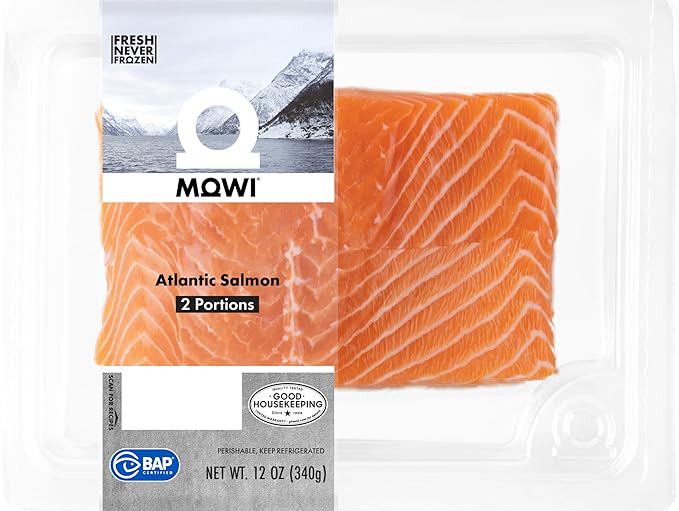
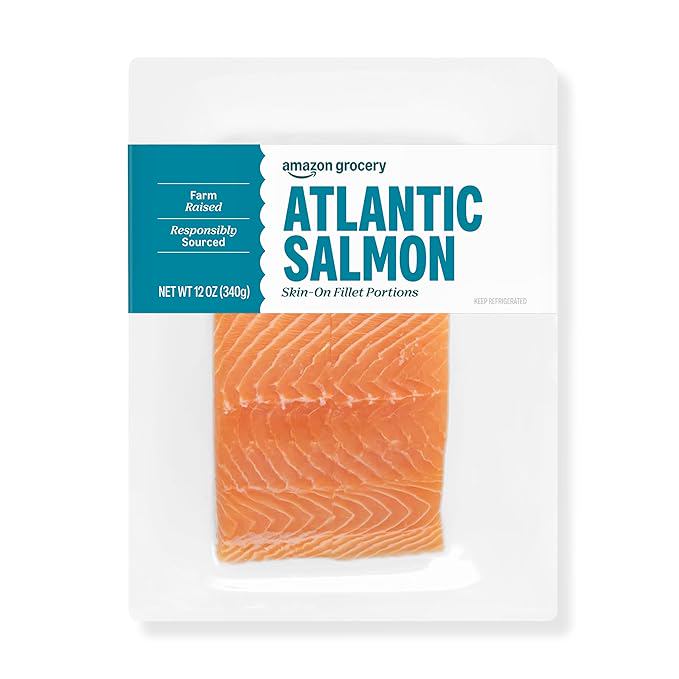
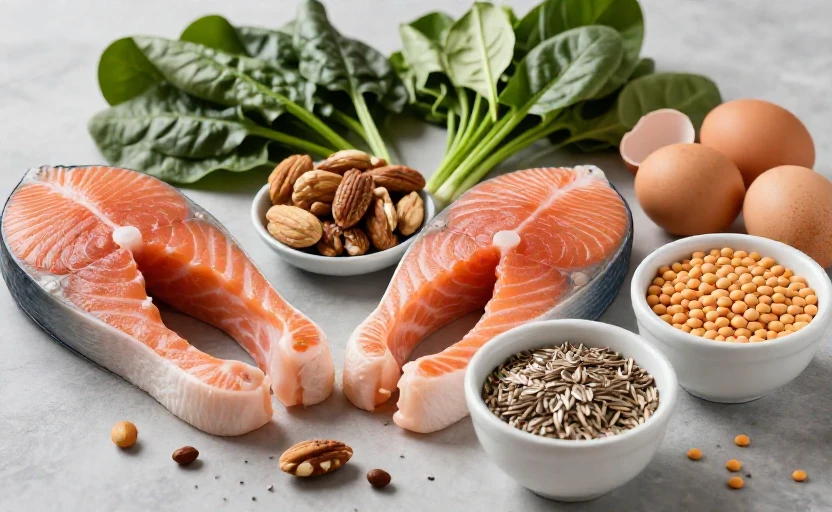
These are powerhouses for hair health. They are rich in omega-3 fatty acids, which have potent anti-inflammatory properties. A calm, healthy scalp is essential for optimal hair growth. Furthermore, fatty fish are an excellent source of high-quality protein, vitamin D, and selenium—all linked to promoting hair growth and adding shine. Aim for two servings per week.
2. Eggs
Eggs are a near-perfect hair food. They provide biotin and protein, the two fundamental building blocks for hair structure. They also contain other crucial B-vitamins and zinc. A biotin deficiency, though rare, can lead to hair loss, making eggs a reliable dietary source. Whether scrambled, poached, or boiled, they are a versatile way to support your strands.
3. Spinach and other dark leafy greens
Popeye was onto something. Dark greens like spinach, kale, and Swiss chard are loaded with folate, iron, and vitamins A and C. Vitamin A helps skin glands produce sebum, which moisturizes the scalp. Iron is critical; low iron levels (even without full-blown anemia) are a common contributor to hair thinning, especially in women. The vitamin C in these greens also helps your body absorb that plant-based iron more effectively.
4. Seeds and nuts
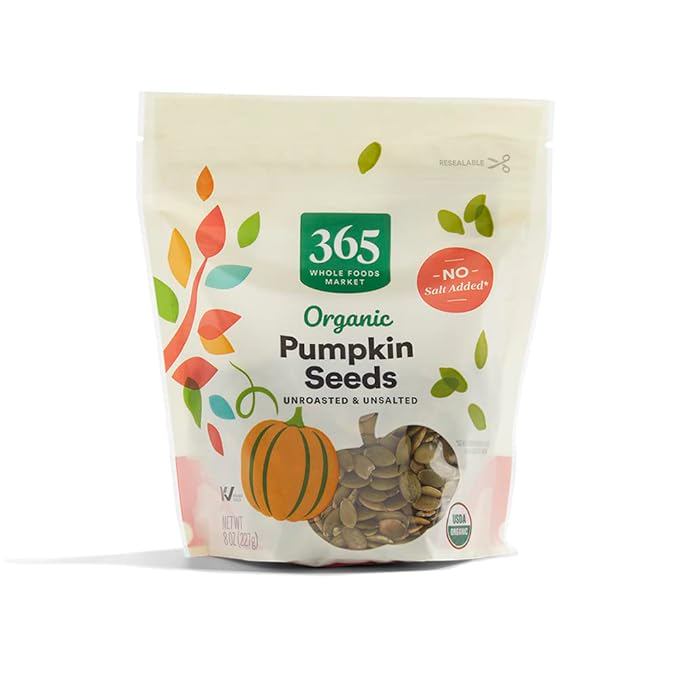
A small handful of seeds or nuts can make a big difference. Sunflower seeds and almonds are particularly high in vitamin E, an antioxidant that protects hair follicles. Pumpkin seeds are one of the best plant-based sources of zinc. Walnuts offer omega-3s. They’re a convenient, crunchy way to add a dense nutrient boost to salads, yogurt, or as a standalone snack.
5. Lentils and beans
For plant-based protein, iron, zinc, and biotin, it’s hard to beat legumes. Lentils, chickpeas, and black beans are affordable, filling, and incredibly versatile. They provide a steady supply of the nutrients needed for the hair growth cycle, making them a staple for anyone looking to combat thinning through diet.
How to incorporate these foods into your routine
You don’t need a complete diet overhaul. Start with small, sustainable swaps. Add a handful of spinach to your morning smoothie or scrambled eggs. Top your lunch salad with salmon or a hard-boiled egg. Snack on a mix of almonds and pumpkin seeds instead of processed chips. Make a hearty lentil soup or bean-based chili for dinner. Consistency is far more important than perfection.
Remember, dietary changes work gradually. Hair grows in cycles, so it may take several months of consistent nourishment before you notice a difference in thickness and shedding. This is a long-term strategy for foundational health, not a quick fix.
A note on balance and professional guidance
While these foods are beneficial, they are part of a holistic picture. Severe or sudden hair loss should always be discussed with a doctor or dermatologist to rule out underlying medical conditions like thyroid disorders, hormonal imbalances, or autoimmune diseases. A nutritionist or dietitian can also provide personalized advice to ensure your diet isn’t lacking any key component. Food is a powerful tool for support, but it works best alongside professional medical care when needed.