
Sun spots—also called solar lentigines or age spots—are flat, brown, or grayish patches that show up on skin that has seen a lot of sun over the years. They aren't harmful, but if you're bothered by how they look, you're not alone. The good news is that you can fade existing spots and, more importantly, prevent new ones from forming. Here are five expert-backed strategies to help you do both.
1. Use a Targeted Pigment-Fighting Serum
Your first line of defense against existing spots is a serum designed to inhibit melanin production. Look for ingredients that have solid research behind them:
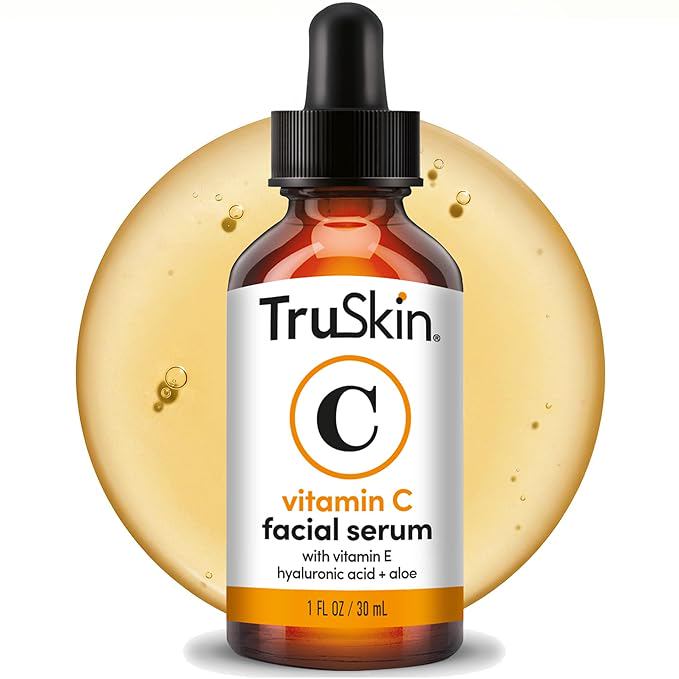
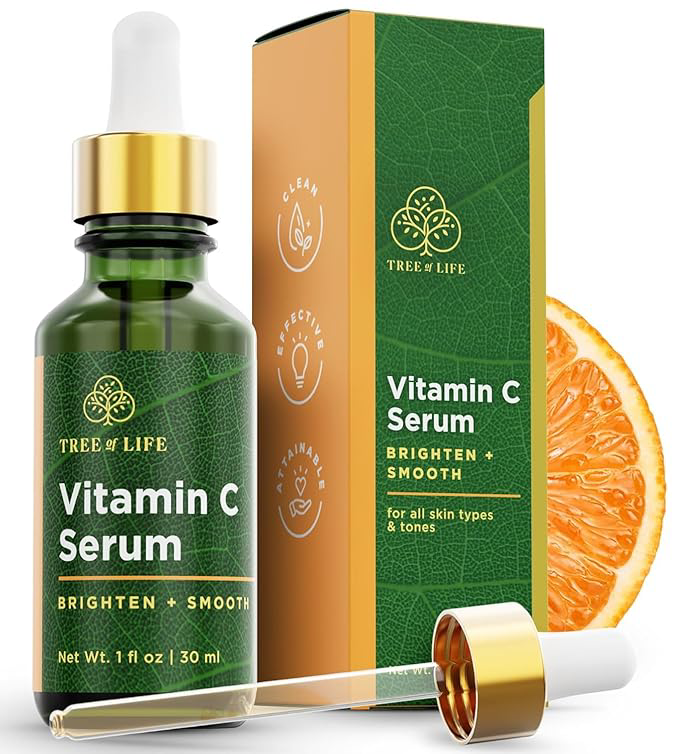
- Vitamin C (L-ascorbic acid): A potent antioxidant that brightens skin and protects against UV damage. Use it in the morning.
- Niacinamide: A form of vitamin B3 that reduces pigmentation and strengthens the skin barrier. It plays well with other actives.
- Kojic acid: Derived from mushrooms, this ingredient blocks tyrosinase, the enzyme that triggers melanin formation.
- Tranexamic acid: Originally used for melasma, it is also effective at fading sun spots by calming inflammation and reducing pigment transfer.
Pro tip: Start with one active at a time to see how your skin reacts. Layer them carefully—some combinations, like vitamin C and retinol, are best used at different times of day.
2. Retinoids: The Gold Standard for Cell Turnover
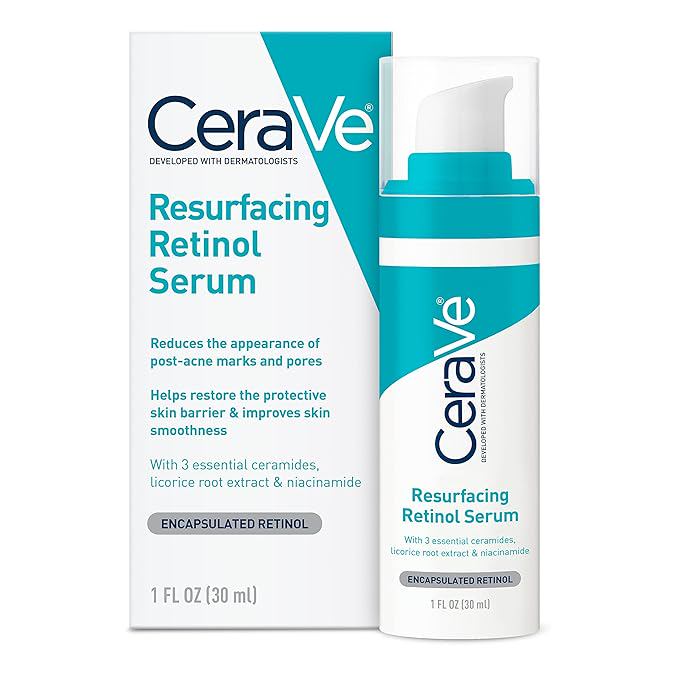
Retinoids—derived from vitamin A—speed up your skin's natural shedding process. By encouraging old, pigmented cells to slough off and fresh cells to rise to the surface, they can significantly fade sun spots over time. Over-the-counter retinol is a great starting point; prescription-strength tretinoin is more potent but requires a dermatologist's guidance.
How to use them: Apply a pea-size amount to clean, dry skin at night. Start twice a week and gradually increase as your skin builds tolerance. Sunscreen is non-negotiable when using retinoids, as they make your skin more vulnerable to UV damage.
3. Professional In-Office Treatments
For stubborn spots that don't budge with topical products, dermatologists offer several effective options:
- Intense Pulsed Light (IPL): Uses broad-spectrum light to target pigment without damaging the surrounding skin. Requires multiple sessions.
- Laser therapy (e.g., Q-switched laser): Designed specifically for pigmentation, this treatment delivers precise energy to break up pigment particles.
- Chemical peels: Deeper peels containing acids like trichloroacetic acid (TCA) can lift pigmented layers of skin.
- Cryotherapy: Liquid nitrogen freezes the spot, causing it to flake off. Less common for sun spots due to risk of hypopigmentation.
Each treatment has recovery time and cost considerations. A consultation with a board-certified dermatologist can help you determine which approach fits your skin type and goals.
4. Non-Negotiable Sun Protection—Every Single Day
This step isn't just about prevention; it's also essential for allowing treatment to work. Without daily sun protection, any fading you achieve will be undone by ongoing UV exposure.
- Broad-spectrum sunscreen with SPF 30 or higher on all exposed skin every day, even when it's cloudy or you're indoors near windows.
- Reapply every two hours if you're outdoors or near glass.
- Physical blockers like zinc oxide and titanium dioxide offer the most stable protection and are less likely to irritate sensitive skin.
Remember: UVA rays that cause aging pass through clouds and windows. Sunscreen is not optional if you want to keep spots at bay.
5. Healthy Habits That Support Skin Repair
Your lifestyle choices influence how well your skin can repair itself. Several nutrients and habits have been shown to help:
- Antioxidant-rich diet: Foods high in vitamins C, E, and beta-carotene (citrus fruits, leafy greens, sweet potatoes) help neutralize free radicals caused by UV rays.
- Polyphenols from green tea and pomegranate may help suppress melanin production when consumed regularly.
- Adequate sleep allows the skin's overnight repair cycle to function properly.
- Managing stress can reduce cortisol levels, which have been linked to increased pigmentation in some studies.
Combining these internal supports with your external regimen creates a comprehensive approach that treats sun spots from both sides of the skin.
Fading sun spots takes time—usually several weeks to months of consistent care. Start with one or two of these strategies and build from there. Your skin will thank you for the protection and attention.