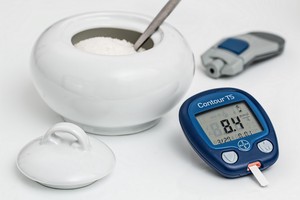
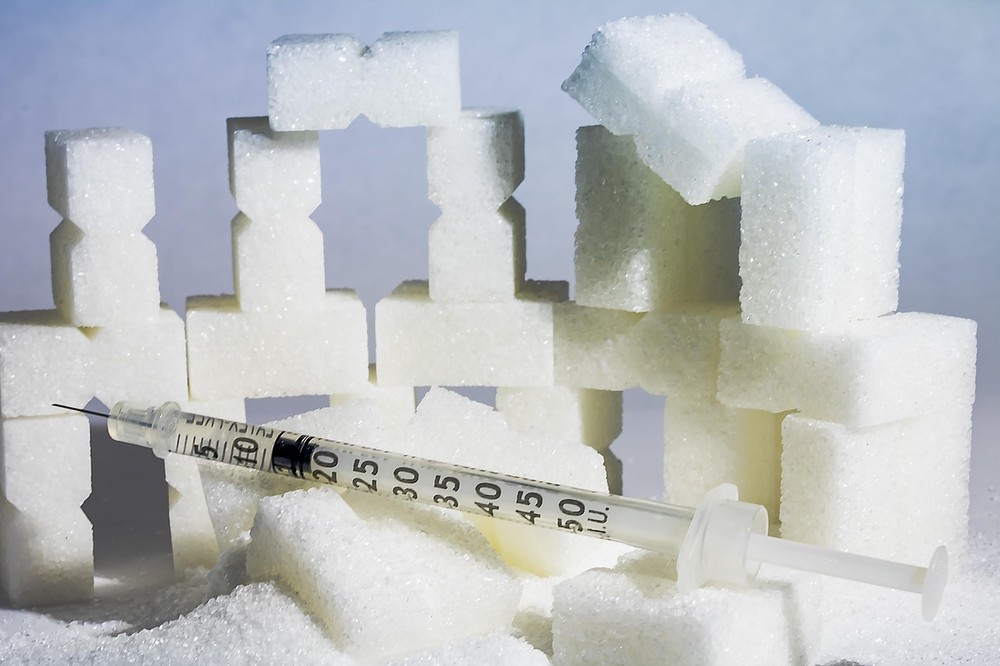
Insulin resistance doesn’t happen overnight. It develops quietly, often over years, as your cells become less responsive to the hormone insulin. When this happens, your pancreas has to work harder to keep blood sugar stable, which can eventually lead to prediabetes or type 2 diabetes. The good news is that lifestyle changes—not prescriptions—are often the most effective way to reverse this trend. These five expert-backed strategies go beyond generic advice and focus on the specific mechanisms that improve how your body responds to insulin.
1. Prioritize resistance training over endless cardio
If your workout plan is all steady-state cardio, you’re missing a key piece of the insulin-sensitivity puzzle. Resistance training—lifting weights, using resistance bands, or doing bodyweight exercises—builds lean muscle mass. Muscle tissue is a major consumer of glucose, even at rest.
A 2019 study in Diabetes Care found that a single session of resistance exercise improved insulin sensitivity for up to 24 hours. Over time, adding just two to three sessions per week can increase your resting metabolic rate and give your cells more “parking spots” for glucose.
What this looks like in practice: Start with compound movements like squats, lunges, push-ups, and rows. You don’t need heavy weights; even resistance bands or bodyweight circuits can create meaningful metabolic changes. The goal is progressive overload—slowly increasing reps, weight, or frequency over weeks.
2. Eat protein and fat first at every meal
The order in which you eat your food matters more than most people realize. When you eat carbohydrates first—especially refined carbs—blood glucose spikes rapidly, forcing a large insulin release. If you’re insulin resistant, that spike becomes even more problematic.
Research from Weill Cornell Medicine suggests that eating vegetables, protein, or fat before carbohydrates significantly blunts the post-meal glucose rise. The mechanism is simple: protein and fat slow gastric emptying, which leads to a gradual release of glucose into the bloodstream rather than a flood.
Try this: At your next meal, eat the salad, chicken, or avocado first, then save the rice, bread, or fruit for last. This isn’t about cutting carbs—it’s about changing the sequence to reduce insulin demand.
3. Manage cortisol through structured wind-down time
Chronic stress keeps cortisol levels elevated. Cortisol is a gluconeogenic hormone, meaning it signals your liver to release stored glucose into the blood. When this happens constantly, your cells are bombarded with glucose and eventually stop listening to insulin’s knock at the door.
A 2020 meta-analysis in Endocrine Reviews confirmed a strong correlation between high cortisol levels and insulin resistance, independent of body weight. The intervention isn’t “relax more”—it’s creating a deliberate evening routine that downshifts your nervous system.
- Set a digital curfew: Blue light from screens suppresses melatonin and keeps cortisol higher. Aim for 30–60 minutes of screen-free time before bed.
- Use box breathing: Inhale for 4 seconds, hold for 4, exhale for 4, hold for 4. This directly activates the vagus nerve and lowers cortisol within minutes.
- Finish eating 3 hours before bed: Digestion competes with sleep restoration, and nighttime eating can spike morning cortisol.
4. Focus on walking after meals
Walking is one of the most underused tools for metabolic health. A 10-to-15-minute walk after a meal—especially after dinner—helps clear glucose from the bloodstream by activating your muscles’ glucose transporters without needing extra insulin.
A landmark study from the University of Otago showed that short post-meal walks reduced blood sugar spikes by an average of 12% compared to pre-meal walking or no walking at all. The reason is mechanical: your contracting muscles pull glucose directly into cells via GLUT4 transporters, bypassing the insulin pathway that’s gummed up in resistance.
A simple habit: After lunch or dinner, step outside for a slow, steady stroll. No need for intensity—the goal is movement, not a workout. Even a lap around the block is enough to signal your cells to respond to insulin more effectively.
5. Get seven hours of sleep—consistently
Sleep is the metabolic reset button. A single night of four hours of sleep can reduce insulin sensitivity by up to 30% in healthy adults, according to research from the University of Chicago. When you’re sleep-deprived, your body produces more ghrelin (the hunger hormone), less leptin (the satiety hormone), and higher cortisol—all of which conspire to worsen insulin resistance.
The key word is consistently. Weekend catch-up sleep doesn’t fully reverse the metabolic damage of sleep debt. Aim for a regular bedtime that allows at least 7 hours of quality sleep. Keep your bedroom cool (65–68°F) and dark, and consider a white-noise machine if your environment is noisy.
If you struggle with sleep, start with one non-negotiable rule: no caffeine after 2 p.m. Caffeine has a half-life of about 6 hours, meaning a 3 p.m. coffee still has half its punch at 9 p.m., interfering with deep sleep stages.
Insulin resistance is reversible, and you don’t need dramatic diets or expensive supplements to make progress. These five habits—strength training, meal sequencing, stress management, walking after meals, and deep sleep—target the root causes directly. The science is clear: small, consistent changes to how you move, eat, and rest create the cellular environment where insulin can do its job again.