
You're looking in the mirror one morning and notice a small, flat brown patch on the back of your hand. Maybe another on your cheek. These are age spots—also called liver spots or solar lentigines—and while they are harmless, they can be a stubborn reminder of the years gone by. But here's the good news: age spots are not an inevitable part of aging. They are a signal from your skin that something has been happening beneath the surface for decades. Understanding exactly why they form is the first step toward slowing them down.
Dermatologists have identified five primary drivers behind age spots. Each one gives you a specific target to act on—not with gimmicks, but with consistent, evidence-based care.
1. Cumulative UV Exposure: The Main Culprit
The number one cause of age spots is sunlight. Not just sunburns from beach vacations, but the quiet, everyday exposure—driving with the window down, walking the dog, sitting near a bright window at work. Over time, ultraviolet (UV) rays trigger melanocytes (the pigment-producing cells in your skin) to go into overdrive. They cluster together and deposit excess melanin in one spot. Years later, that spot shows up as a flat, tan-to-dark brown patch.
What you can do
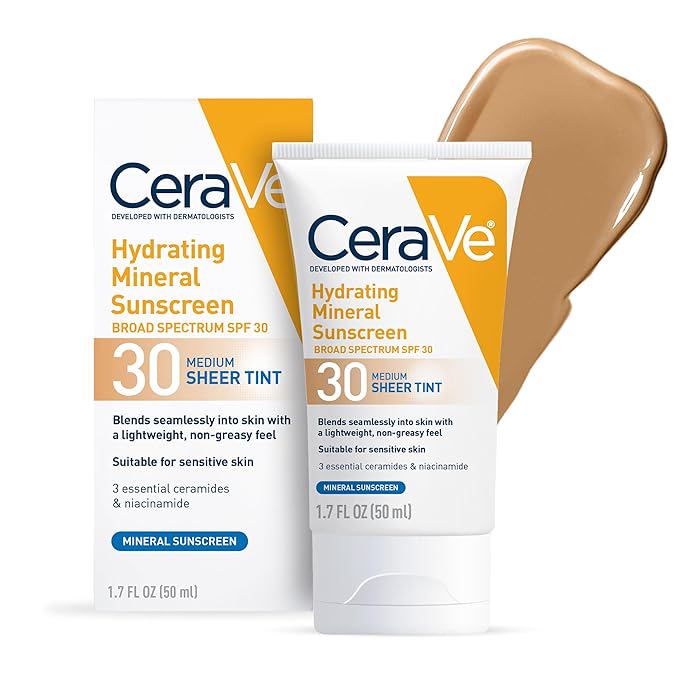
Sun protection is non-negotiable. Use a broad-spectrum sunscreen with SPF 30 or higher every single day, even when it's cloudy or you're indoors near windows. Reapply every two hours if you are outside. A wide-brimmed hat and UPF-rated clothing add an extra layer of defense. Think of sunscreen not as a beach accessory, but as a daily preventive tool.
2. Natural Aging of Skin Cells
Your skin changes structurally as you age. The epidermis (the outermost layer) thins, while the cells responsible for regenerating and repairing damage slow down. This means that once a cluster of pigment forms, your skin is less efficient at breaking it down and turning it over. The result: those spots stick around longer and become more visible against lighter, thinner skin.
What you can do
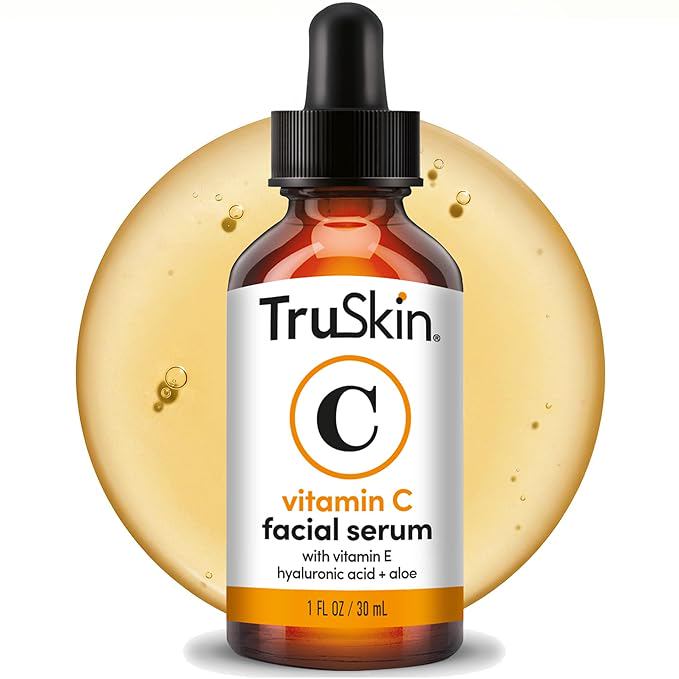
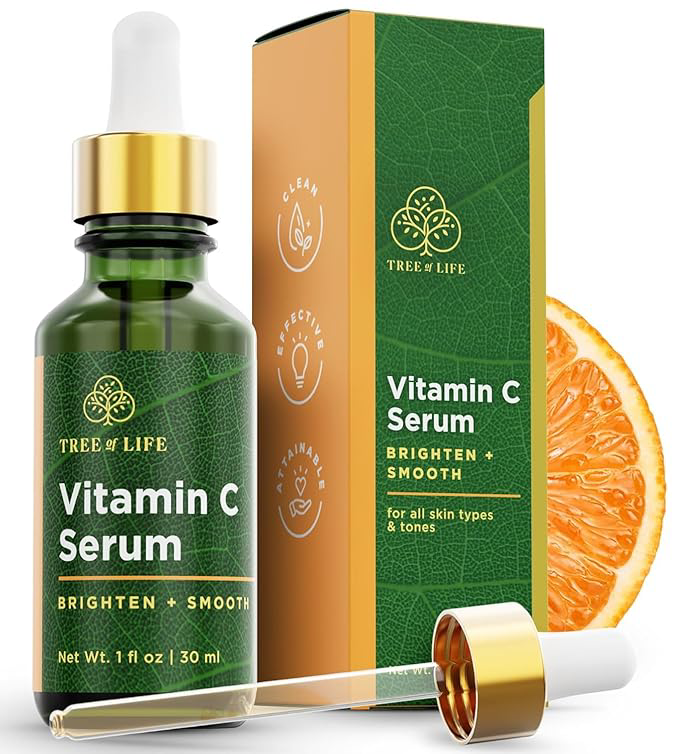
Support your skin's natural turnover cycle. Retinoids (like over-the-counter retinol or prescription tretinoin) can accelerate cell renewal and help fade existing spots. Vitamin C serums applied in the morning can also help brighten skin and protect against future oxidative stress. Start slowly with retinoids—use a pea-sized amount two or three nights a week—and always pair them with moisturizer and sunscreen.
3. Hormonal Shifts and Genetics
Hormones play a bigger role than many people realize. Estrogen and progesterone can stimulate melanin production, which is why age spots can increase during menopause, pregnancy, or while taking certain hormone therapies. Your genetic background also sets the stage: people with fair skin, red or blonde hair, and light-colored eyes are more prone to sun-induced pigmentation, simply because they have less natural melanin to act as a buffer.
What you can do
You cannot change your genes, but you can work with your dermatologist to identify hormonal triggers if you notice a sudden cluster of spots. Topical brightening agents containing ingredients like kojic acid, azelaic acid, or tranexamic acid may help. For stubborn spots, procedures such as IPL (intense pulsed light) or fractional laser can be effective—but these require professional evaluation and multiple sessions.
4. Chronic Inflammation and Oxidative Stress
Every time your skin is exposed to UV rays, pollution, or cigarette smoke, it generates free radicals—unstable molecules that damage collagen, cell membranes, and DNA. This damage triggers an inflammatory response, and chronic low-level inflammation can rev up melanin production. Over time, this creates a perfect environment for age spots to develop and deepen.
What you can do
Load up on antioxidants. A daily diet rich in colorful fruits and vegetables (berries, leafy greens, bell peppers) provides the raw materials your skin needs to fight oxidative stress. Topically, look for serums with vitamin C, vitamin E, ferulic acid, or niacinamide. These ingredients neutralize free radicals before they can trigger pigment formation. And if you smoke, quitting is one of the most powerful anti-aging moves you can make.
5. Lack of Consistent Skin-Care Maintenance
This one is simple: age spots often form because the skin has not been given consistent support. Skipping sunscreen, forgetting to exfoliate, and neglecting moisturizer all allow pigment to accumulate without interruption. Over months and years, that lack of maintenance adds up.
What you can do
Build a simple, sustainable routine you can stick with. Morning: cleanse, vitamin C serum, moisturizer, sunscreen. Evening: gentle cleanser, retinol (three times a week), moisturizer. Once a week, use a gentle chemical exfoliant like lactic acid or glycolic acid to help loosen surface pigment. Consistency trumps intensity—you don't need a 12-step routine to see results.
Bottom line: Age spots are the visible result of decades of UV exposure, skin aging, and lifestyle factors. You can't turn back the clock completely, but you can absolutely slow the formation of new spots and reduce the look of existing ones with daily sun protection, antioxidant support, and targeted skin-care ingredients.