
When life feels heavy, many of us reach for comfort food. But what if the right foods could actually help steady your mood and build emotional resilience over time? Emerging research in nutritional psychiatry suggests that certain foods can support the brain's ability to handle stress and promote a sense of calm. Here are five expert-backed foods that research has linked to better emotional balance and mental well-being.
How food affects emotional resilience
Your gut and brain are in constant communication through what's known as the gut-brain axis. The foods you eat influence your gut microbiome, which in turn produces neurotransmitters like serotonin and dopamine that regulate mood. A diet rich in anti-inflammatory compounds, healthy fats, and key vitamins can help buffer the body's stress response. This is not about any single 'miracle food,' but rather about consistently choosing nutrient-dense options that support your nervous system.
Below are five foods that have received consistent attention in the scientific literature for their potential to support emotional resilience and a calm state of mind.
1. Fatty fish: A rich source of omega-3s
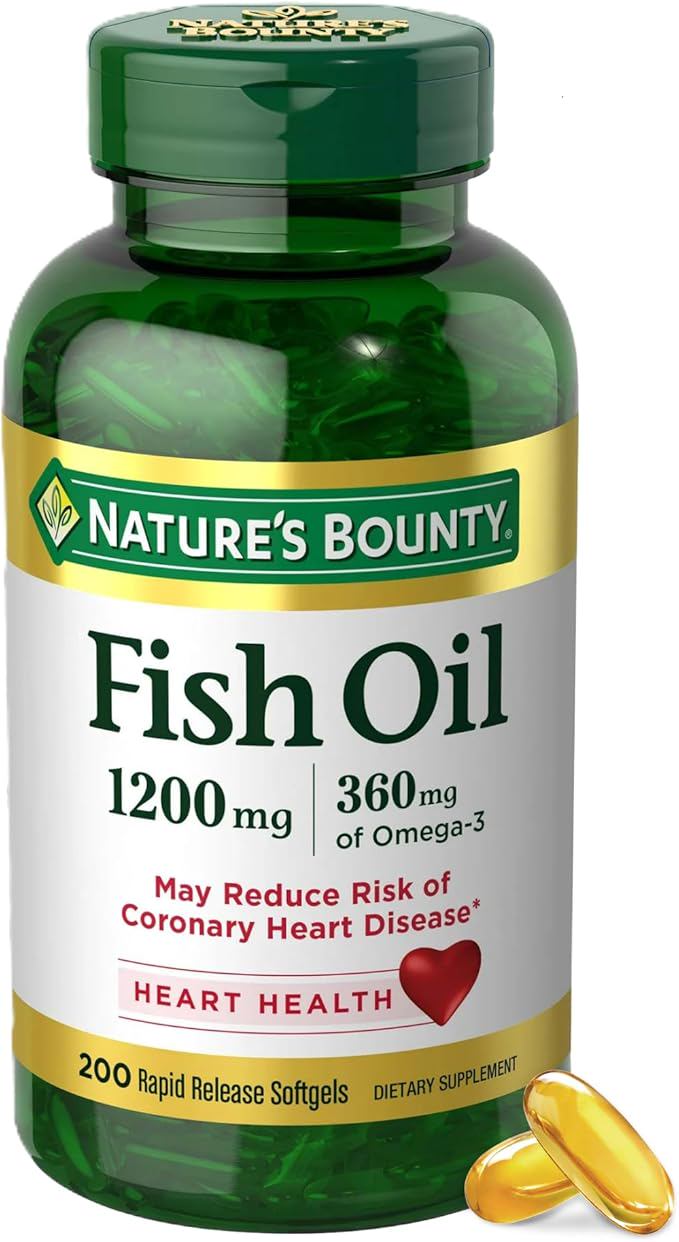
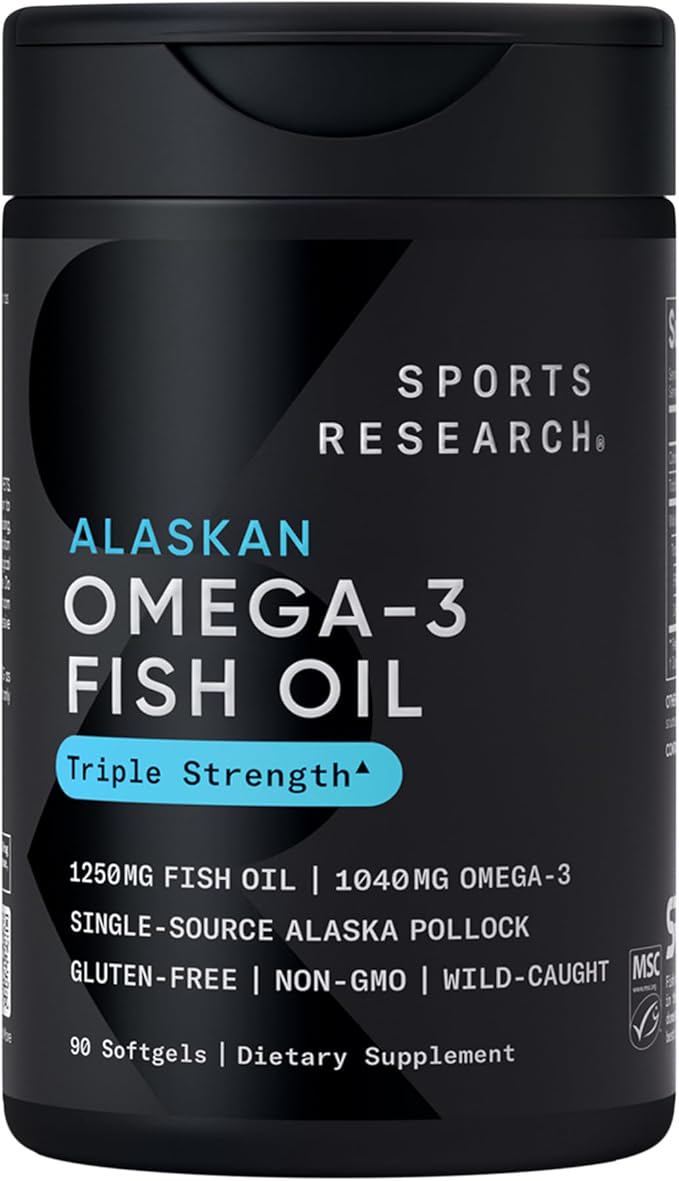
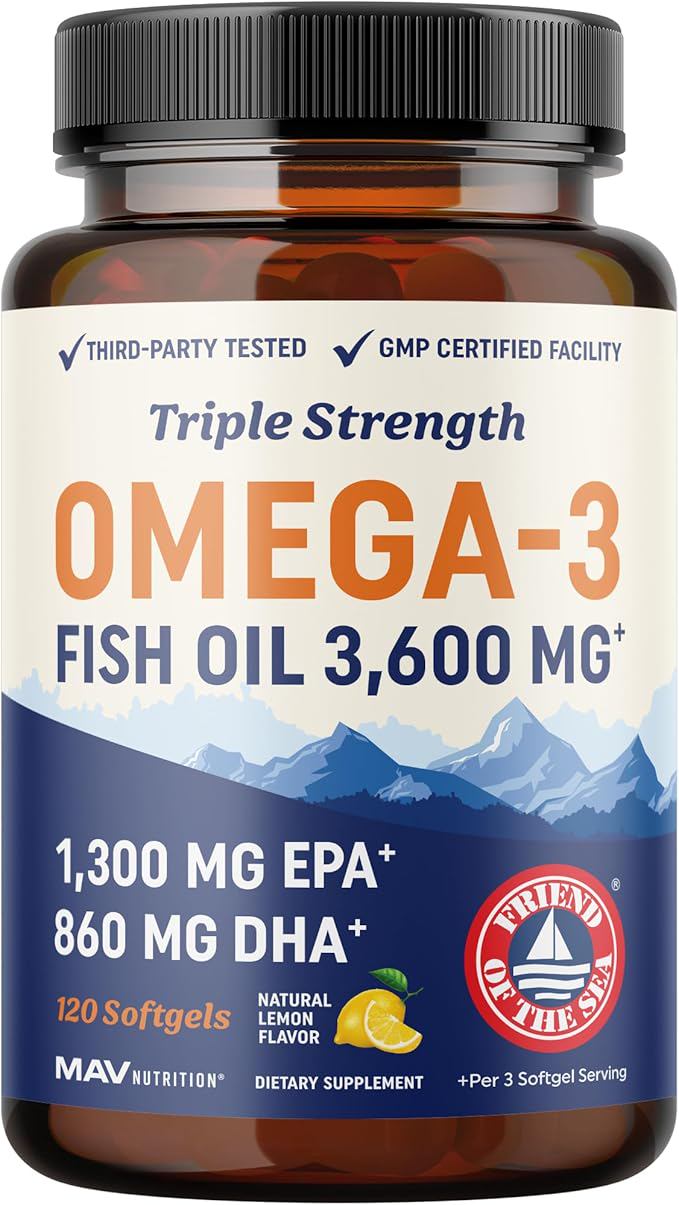
Fatty fish like salmon, mackerel, sardines, and anchovies are among the best dietary sources of long-chain omega-3 fatty acids, specifically EPA and DHA. These fats are critical components of brain cell membranes and play a key role in regulating inflammation and neurotransmitter function. Research has linked higher omega-3 intake to lower rates of anxiety and depression. A 2019 meta-analysis in Translational Psychiatry found that omega-3 supplementation had a modest but significant effect on reducing anxiety symptoms. For steady benefits, aim to include fatty fish in your meals a couple of times per week.
2. Dark, leafy greens: A magnesium powerhouse
Spinach, kale, swiss chard, and collard greens are packed with magnesium, a mineral essential for nervous system regulation. Magnesium helps calm the nervous system by supporting the production of GABA, a neurotransmitter that promotes relaxation. It also helps regulate the body's stress-response system, including the hypothalamic-pituitary-adrenal (HPA) axis. A 2017 study in Nutrients reported that magnesium deficiency is associated with higher levels of anxiety, while adequate intake supports a more balanced mood. Adding a generous portion of dark leafy greens to your lunch or dinner can be a simple, accessible step.
3. Fermented foods: Gut health and mood
Fermented foods such as yogurt (with live cultures, ideally unsweetened), kefir, sauerkraut, kimchi, and miso are rich in probiotics. These beneficial bacteria help maintain a healthy gut microbiome, which communicates directly with the brain via the vagus nerve. A 2020 study in Psychiatry Research found that people who regularly consumed fermented foods reported lower levels of social anxiety. The mechanism may involve decreased inflammation and improved production of mood-regulating neurotransmitters in the gut. You don't need large amounts: even a small serving of kimchi or a cup of yogurt most days may contribute to emotional steadiness.
4. Berries: Antioxidants against oxidative stress
Blueberries, strawberries, raspberries, and blackberries are loaded with antioxidants called flavonoids, particularly anthocyanins. These compounds help combat oxidative stress, which is elevated during periods of chronic stress and can damage brain cells. By reducing inflammation and protecting neural pathways, flavonoids may support a more resilient mood. A 2018 study in Nutritional Neuroscience suggested that regular berry intake was associated with fewer depressive symptoms over time. A handful of fresh or frozen berries added to oatmeal, smoothies, or eaten as a snack provides a quick, effective dose of these protective compounds.
5. Nuts and seeds: Healthy fats and tryptophan
Walnuts, almonds, pumpkin seeds, and flaxseeds are excellent sources of healthy fats, magnesium, zinc, and the amino acid tryptophan. Tryptophan is a precursor to serotonin, the neurotransmitter often called the 'calm and happy' chemical. Healthy fats in nuts and seeds also support the absorption of fat-soluble vitamins that are important for brain health. A 2019 study in Nutrients found that moderate nut consumption was associated with lower rates of depression. Keep a small handful of unsalted nuts or seeds as a daily snack, or sprinkle ground flaxseeds over cereal or salads.
Building a resilience-supporting eating pattern
While each of these foods offers specific benefits, the overall pattern matters more than any single ingredient. A diet rich in whole foods, fiber, and healthy fats, while low in ultra-processed foods and added sugars, appears to be the most effective strategy for supporting emotional resilience. The Mediterranean diet, which includes all of the foods listed above, has been consistently linked to lower rates of depression and anxiety in observational and clinical research.
A practical tip: Rather than overhauling your diet overnight, try adding one of these foods to a meal you already enjoy. A handful of spinach in your morning smoothie, a piece of salmon for dinner, or a small bowl of yogurt with berries for a snack can be easy, sustainable steps toward better mood support.
What to keep in mind
Diet alone is not a substitute for professional mental health care. If you are experiencing persistent sadness, anxiety, or other emotional challenges, it is important to speak with a healthcare provider or mental health professional. The foods discussed here are best viewed as part of a comprehensive approach that includes adequate sleep, regular physical activity, stress management practices, and social connection.
Food can be a gentle but powerful tool for supporting the brain and body during stressful times. Choosing nutrient-rich options like fatty fish, leafy greens, fermented foods, berries, and nuts or seeds is a practical way to nourish your emotional resilience day by day.