
How do you feel when you are angry? Most of us reach for something to chew on—a bag of chips, a slice of cake, or maybe nothing at all. But what if that reaction is wired into your brain from infancy? And what if the foods you choose could actually help you feel more grounded, less reactive, and more secure in your relationships?
While anger and attachment might seem like distant cousins, they share deep roots in the brain's impulse-control pathways. The foods that support a calm, secure mindset aren't about quick fixes—they are about steadying your nervous system and balancing the hormones that can send you into fight-or-flight mode. Here are five expert-backed foods that may help you build a more secure attachment mindset, one meal at a time.
1. Magnesium-rich leafy greens
When cortisol surges, your body burns through magnesium quickly. That matters because magnesium is a natural relaxant—it helps quiet the amygdala, the part of your brain that sounds the alarm. Dark, leafy greens like spinach, Swiss chard, and kale are rich in this mineral. A consistent intake can help you stay calmer when triggers arise, making it easier to respond thoughtfully rather than react impulsively.
Think of magnesium as the brake pedal for your stress response. Without enough of it, your nervous system stays revved up, and that chronic alertness can chip away at your ability to feel safe and connected—hallmarks of a secure attachment style.
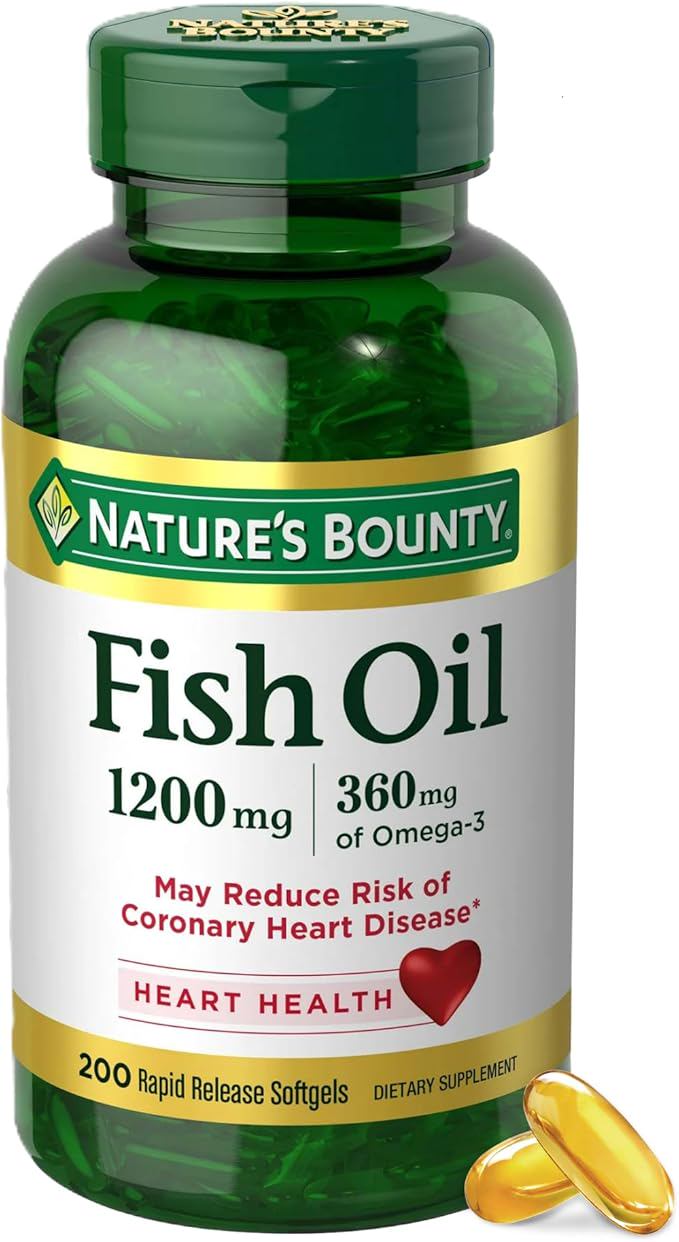
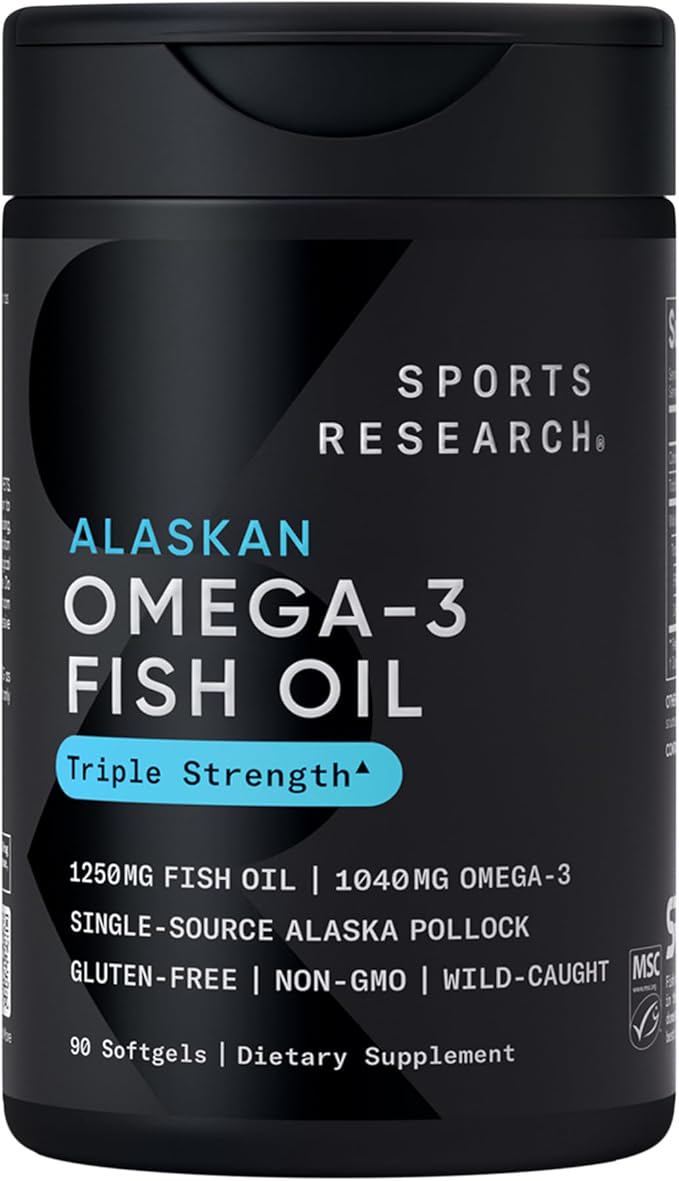
2. Omega-3 fatty acids from fatty fish
Omega-3s, especially EPA and DHA found in salmon, mackerel, and sardines, are essential for brain health and emotional regulation. Studies suggest that people with higher omega-3 intake tend to have lower levels of inflammation and better mood stability. This matters for attachment because secure relationships depend on your ability to self-regulate—to soothe yourself after a disagreement rather than spiraling into anger or withdrawal.
Fatty fish also supports the production of serotonin, the neurotransmitter that helps you feel content and socially bonded. When your brain has the raw materials to produce enough serotonin, you are less likely to interpret neutral remarks as threats—a common pattern in insecure attachment.
3. Fermented foods for gut-brain balance
Your gut and your brain are in constant conversation. Fermented foods like yogurt, kefir, sauerkraut, and kimchi introduce beneficial bacteria that support this gut-brain axis. Emerging research indicates that a healthy gut microbiome can lower cortisol levels and reduce anxiety, which in turn makes it easier to trust, forgive, and stay present in relationships.
Attachment security is partly about feeling safe in your own skin. When your gut is balanced, you produce more GABA, a calming neurotransmitter that helps you shift out of a reactive state. A single serving of fermented food per day may be enough to start noticing the difference.
4. Complex carbohydrates for steady energy
Refined carbs spike your blood sugar and then crash it, leaving you irritable and craving more sugar. Complex carbohydrates—think oats, quinoa, sweet potatoes, and legumes—release glucose slowly, providing a steady stream of energy. This prevents the blood sugar rollercoaster that can make small frustrations feel overwhelming.
When you feel physically steady, you are more capable of emotional steadiness. Complex carbs also help your brain produce serotonin, similarly to omega-3s. The result: you are less likely to snap at a partner or retreat into silence, and more likely to communicate clearly—a cornerstone of secure attachment.
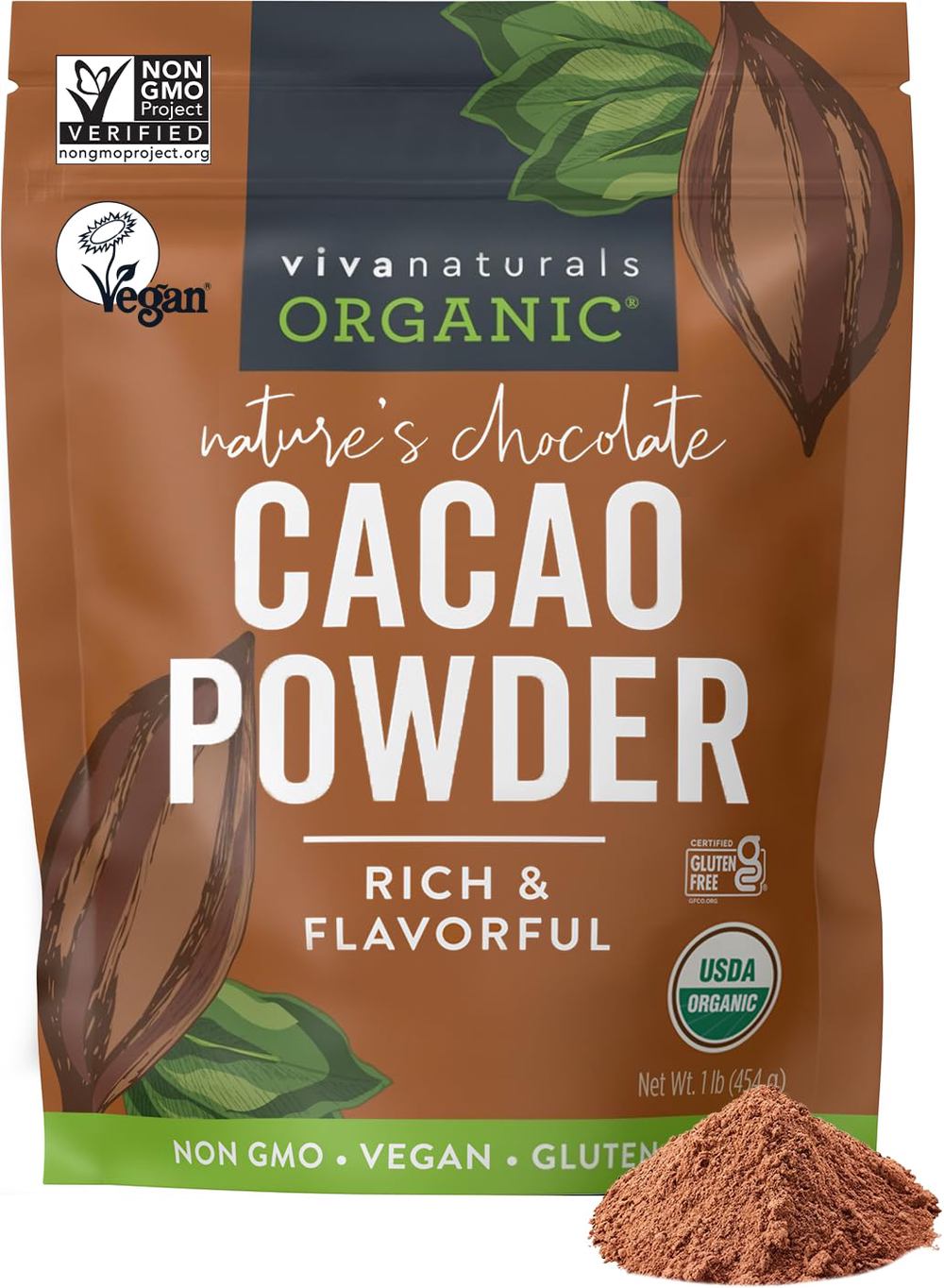
5. Dark chocolate (yes, really)
Dark chocolate with at least 70% cocoa is rich in flavonoids and magnesium, both of which support blood flow to the brain and help regulate stress hormones. A small square can lower cortisol and improve mood without the sugar crash that comes from milk chocolate.
The key is moderation. A piece or two after a tense moment can serve as a mindful pause—a way to check in with yourself before reacting. That tiny ritual of pausing and savoring is exactly what secure attachment requires: the ability to notice your feelings without immediately acting on them.
“Anger is an impulse control issue and so is eating. They work on the same brain path.” — Dr Sonal Anand, psychiatrist
How food connects to attachment in daily life
Building a secure attachment mindset isn't about perfection. It is about small, consistent choices that tell your body and brain, “You are safe. You can slow down.” When you eat foods that stabilize your blood sugar, calm your cortisol, and support your gut microbiome, you are literally feeding the neural pathways that help you trust, connect, and repair relationships.
That said, food alone cannot replace therapy or professional support if you are working through significant attachment trauma. Think of these foods as allies—not cures. Pair them with practices like regular exercise, journaling, or talking to a counselor, and you create a foundation of emotional regulation that makes secure attachment more accessible.
Taking the first step
If you are unsure where to start, pick one food from this list and add it to your daily routine for a week. Keep a small bag of almonds and dark chocolate in your bag. Swap one coffee for a bowl of oatmeal. Add a handful of spinach to your smoothie. Notice how you feel during stressful moments—not just physically, but emotionally. Over time, these small shifts can rewire how you respond to the world, helping you feel more grounded, more trusting, and more secure in the relationships that matter.