Time outdoors feels good, and a bit of sun is part of a healthy life. But the sun's effects on skin are cumulative and often invisible for years. Many people mistake the first signs of photodamage for ordinary aging, assuming fine lines, uneven tone, and subtle texture changes are just part of getting older. In reality, these are often early symptoms of sun damage—signals that the skin has been absorbing more UV radiation than it can repair.
Recognizing these clues early makes a real difference. When you know what to look for, you can adjust your sun protection habits before the damage deepens. Here are five early symptoms that look like normal aging but are actually sun damage at work.
1. Fine lines on the forehead and around the eyes
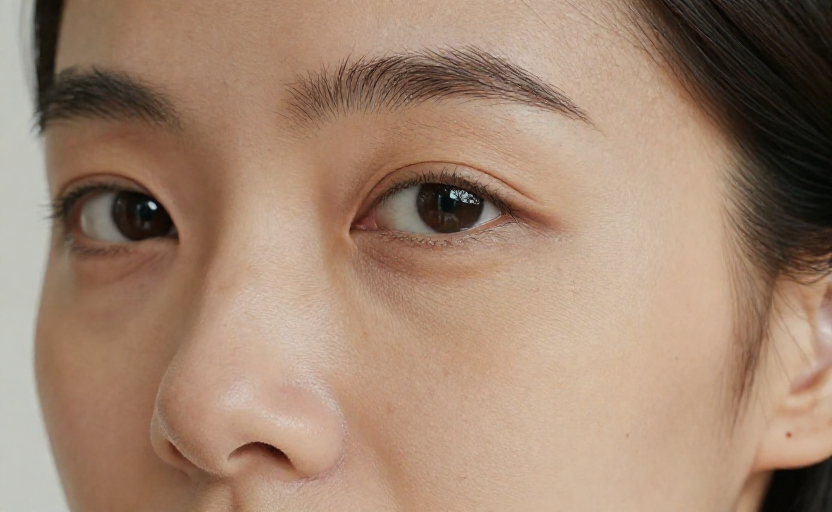
We expect creases from smiling and squinting, but premature fine lines—especially those that don't deepen much with expression—often come from UV exposure. Sunlight breaks down collagen and elastin fibers in the deeper layers of skin. Over time, this structural loss shows up as fine lines that appear earlier than they would in protected skin. The forehead, crow's feet area around the eyes, and upper cheeks are common spots. If you notice these lines in your twenties or early thirties and you've had plenty of sun exposure, photodamage is likely the culprit, not just genetics.
2. Uneven skin tone and reddish patches
Subtle changes in color can be easy to dismiss. A slightly red or ruddy complexion on the cheeks and nose, or patches that look flushed for no reason, might be mistaken for rosacea or sensitive skin. But these are often early signs of chronic sun exposure. UV radiation causes tiny blood vessels near the skin's surface to dilate and eventually become permanently enlarged. This creates a persistent red or uneven tone that doesn't fade with rest or a good skincare routine. Unlike a natural blush, this discoloration tends to stay put and gradually spreads over time.
3. A rough or leathery texture
Running your fingers over your cheek or forehead and feeling a slightly rough, sandpaper-like texture—especially in spots that aren't dry from weather—can signal actinic damage. Sun exposure thickens the outer layer of skin (the stratum corneum) as it tries to protect itself. This feels like tiny bumps or a general loss of smoothness. Many people assume this is just dry skin and try more moisturizer, but it doesn't respond well to hydration alone. The texture comes from sun-induced changes in skin-cell turnover and collagen quality, not dehydration.
4. Small, dark spots on sun-exposed areas
Those tiny brown or gray spots that start appearing on the backs of hands, forearms, chest, and face—often called age spots or liver spots—are really solar lentigines. They are a direct result of years of UV exposure triggering localized overproduction of melanin. While they are harmless in themselves, they are a clear sign of accumulated sun damage. If you see them before your fifties, especially if you have fair skin, this is an early indicator that your skin has received more UV than it could safely manage. They are not inevitable with age; they are largely preventable with consistent sun protection.
5. Loss of firmness and a slight droop
Gravity plays a role in sagging, but sun damage accelerates it dramatically. A subtle loss of elasticity—where the skin on the cheeks or jawline doesn't snap back as quickly when pulled gently—can show up years before significant sagging is visible. This is because UV rays degrade collagen and elastin deep in the dermis. The result is skin that looks less buoyant, with a slightly crepey texture or a mild jowling effect around the chin. Many people attribute this to natural aging, but when it occurs in relative youth or on one side of the face more than the other (the side that gets more sun through driving or window exposure), sun damage is the likely driver.
A calm, practical approach: None of these symptoms mean you have to panic. Sun damage is cumulative, but the skin can still repair some damage, and stopping further harm is the most effective step you can take. Daily broad-spectrum sun protection, protective clothing, and regular skin checks with a dermatologist are the foundation of prevention and early intervention.
If you notice any of these signs, especially in combination, consider it a gentle nudge to reassess your sun habits. The same habits that prevent skin cancer also prevent premature aging. And if a spot changes shape, color, or size, or if a rough patch doesn't heal, see a dermatologist promptly. That is always the safest course.