
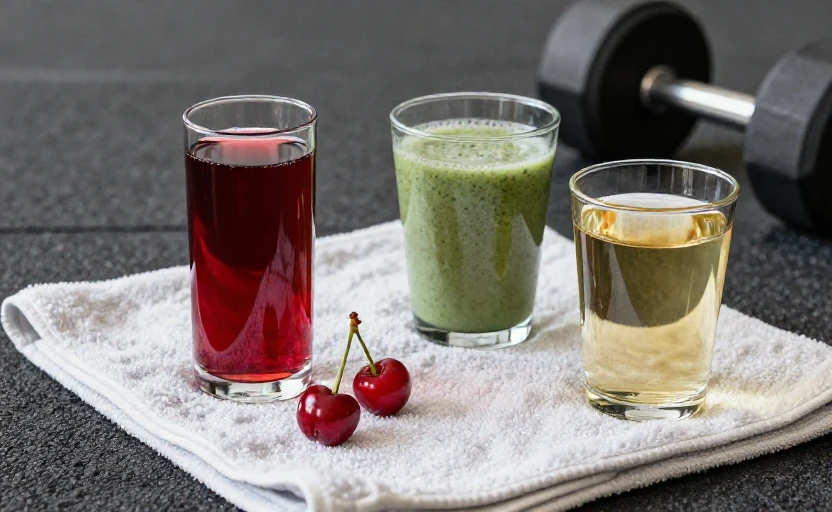
You’ve just finished a great workout. Your muscles are humming, your mind is clear, and now comes the most important part: recovery. What you choose to drink in the minutes and hours after exercise can significantly influence how your body repairs itself and how you feel. While water is essential, certain beverages offer targeted benefits that go beyond simple rehydration, helping to soothe tired muscles and calm your nervous system.
These drinks work by delivering key nutrients—like electrolytes, antioxidants, and amino acids—that support the natural repair processes already happening in your body. They can help reduce inflammation, replenish glycogen stores, and promote a sense of relaxation, turning your post-exercise routine into a true recovery ritual.
What makes a drink good for recovery?
After exercise, your body has two primary needs: repair and restoration. Muscles experience microscopic tears that need rebuilding, and your energy stores are depleted. A good recovery drink addresses these needs with specific components.
Electrolytes, like sodium, potassium, and magnesium, are lost through sweat and are crucial for rehydration and nerve function. Protein provides the amino acids, particularly branched-chain amino acids (BCAAs), that serve as building blocks for muscle repair. Antioxidants help combat exercise-induced oxidative stress and inflammation. Finally, certain compounds can have a calming effect on the nervous system, helping to lower cortisol levels and transition your body from a state of exertion to one of rest.
Five supportive sips for after your workout
Instead of reaching for a sugary sports drink, consider these whole-food-based options that nourish as they hydrate.
Tart cherry juice
This deep red juice has garnered attention from athletes for good reason. Tart cherries are rich in anthocyanins, potent antioxidants with anti-inflammatory properties. Research suggests that drinking tart cherry juice can help reduce post-exercise muscle soreness and speed up strength recovery. Its natural melatonin content may also support better sleep, which is when much of the body’s repair work happens.
For best results, look for unsweetened, 100% tart cherry juice and consider drinking a serving in the evening after your workout.
Chocolate milk (or a dairy-free alternative)
Sometimes the classic choice is a classic for a reason. Chocolate milk offers a near-ideal ratio of carbohydrates to protein, helping to replenish glycogen stores and provide amino acids for muscle synthesis simultaneously. The cocoa also contains flavonoids, which are antioxidants. If you avoid dairy, a fortified almond or oat milk with a tablespoon of cocoa powder and a pinch of sea salt can offer a similar benefit.
Green tea
Beyond being a soothing, hydrating beverage, green tea is a powerhouse of recovery-supporting compounds. It contains L-theanine, an amino acid that promotes relaxation without drowsiness, helping to ease the mind after a strenuous session. The catechins in green tea are powerful antioxidants that help manage inflammation. Enjoy it warm or chilled for a gentle caffeine boost that’s less jarring than coffee.
A simple protein smoothie
This is your chance to create a custom recovery elixir. Start with a base of water, unsweetened almond milk, or coconut water. Add a scoop of protein powder (like pea, hemp, or whey), a handful of spinach for magnesium and folate, a half-banana for potassium and quick carbs, and a tablespoon of ground flaxseed for omega-3s. This combination delivers hydration, protein, electrolytes, and anti-inflammatory fats in one easily digestible package.
Infused water with mint and cucumber
Don’t underestimate the power of pure, well-enhanced hydration. After a light or moderate workout, sometimes your body just needs fluid and electrolytes. Adding slices of cucumber and a few sprigs of fresh mint to your water does more than improve the taste. Cucumber provides silica and potassium, while mint has a natural calming effect on the digestive system and can promote a feeling of freshness and relaxation. It’s a supremely simple way to encourage you to drink more.
How to integrate these drinks into your routine
Think of your post-workout drink as part of your cooldown. Consume your chosen beverage within the first 30 to 60 minutes after finishing exercise, when your muscles are most receptive to nutrient uptake. Pair it with a few minutes of gentle stretching or deep breathing to signal to your body that it’s time to shift into recovery mode.
Listen to your body’s cues. After a long, intense endurance session, you might benefit more from the carb-protein mix in chocolate milk or a smoothie. After a stressful day capped with a yoga or mobility session, the calming properties of green tea or mint-infused water might be exactly what you need.
The goal is to support your body’s innate wisdom. By choosing drinks that provide targeted nutrients and promote calm, you’re not just rehydrating—you’re actively participating in your own recovery and well-being.