When an old attachment trigger flares up—maybe a text goes unanswered or a partner seems distant—the body often reacts before the mind can catch up. A tight chest, a knot in the stomach, a sudden urge to either cling or withdraw. These moments feel overwhelming, but small grounding rituals can help interrupt the cycle. One of the most accessible is what you choose to drink.
Warm or cool, sipped slowly or stirred with intention, certain beverages support the nervous system and make it easier to self-soothe. Below are five drinks that can help settle emotional reactivity and create a small, safe pause when attachment fears surface.
Warm Chamomile Tea with a Touch of Honey
Chamomile is one of the best-known nervine herbs for good reason. Its mild sedative properties come from apigenin, an antioxidant that binds to receptors in the brain associated with relaxation. For someone caught in a spiraling thought—Am I being ignored? Did I do something wrong?—a cup of warm chamomile can physically slow the nervous system just enough to create distance between the trigger and the reaction.
Adding a small amount of honey does more than sweeten. Honey provides a gentle glucose lift that can stabilize blood sugar, which tends to dip during stress and makes emotions feel sharper. The warmth of the tea also mimics the sensation of being held, which is itself a subtle signal of safety for the body.
Keep a box of organic chamomile tea bags in your desk or bag. When you notice your jaw tightening or your thoughts racing toward a worst-case scenario, pause and steep a cup. Even five minutes of slow sipping can shift the emotional state.
Golden Milk (Turmeric Latte)
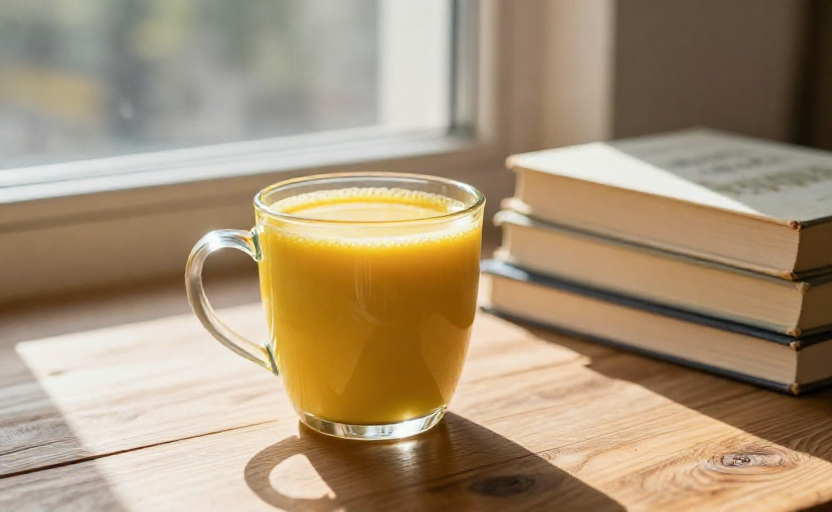
This traditional Ayurvedic drink combines turmeric, black pepper, ginger, and a milk of your choice. The anti-inflammatory compound curcumin is well-studied for its effects on mood, partly because chronic low-grade inflammation can worsen anxiety and emotional sensitivity. When attachment triggers feel like they are burning in the chest or stomach, a warm golden milk acts as an internal cooling agent.
The ritual itself matters here. Gently heating the milk, whisking in the spices, and cradling the mug in both hands engages the senses fully. That sensory anchoring pulls attention away from the internal story and back to the present moment—a simple but powerful grounding technique.
For a caffeine-free version, use almond, oat, or coconut milk. Avoid adding sugar; the natural sweetness of the milk and a pinch of cinnamon is enough.
Lemon Balm Iced or Hot Tea
Lemon balm, a member of the mint family, has a long history of use for nervous tension and mild anxiety. Its volatile compounds, including rosmarinic acid, appear to increase GABA activity in the brain—the same neurotransmitter that anti-anxiety medications target, but in a much gentler way. For attachment-related emotional reactions, lemon balm can soften the hypervigilance that often accompanies fears of abandonment or rejection.
This herb works well both as a hot tea and as an iced infusion. In warmer months, brewing a strong batch and pouring it over ice with a sprig of mint creates a refreshing afternoon drink that still delivers calming effects. The light, citrusy flavor makes it palatable for people who find chamomile too earthy.
Drink lemon balm tea between meals rather than right after eating, as the active compounds absorb more effectively on a relatively empty stomach.
Magnesium-Rich Warm Water with a Splash of Tart Cherry Juice
Magnesium is involved in over 300 biochemical reactions, many of which relate to stress regulation. When magnesium levels run low—common during periods of chronic worry or poor sleep—the nervous system becomes more reactive. A simple warm drink made with water and a tablespoon of unsweetened tart cherry juice provides both magnesium and natural melatonin precursors.
Tart cherry juice has been studied for its ability to improve sleep quality and reduce inflammation, both of which indirectly stabilize mood. The warmth of the water makes the drink soothing to sip, and the tart-sweet flavor is palatable without any added sugar. This is an excellent evening choice, especially if attachment triggers tend to feel stronger at night when distractions fade.
Use a high-quality tart cherry concentrate without added sweeteners. Stir a tablespoon into warm filtered water about an hour before you plan to wind down. If you tolerate dairy, a splash of kefir adds probiotics and a creamier texture.
Ashwagandha Latte (Caffeine-Free)
Ashwagandha is an adaptogenic herb used in Ayurvedic medicine to help the body handle stress. Unlike stimulants that push the nervous system upward, ashwagandha works by lowering cortisol levels and supporting adrenal function. For someone whose attachment triggers are rooted in a chronic sense of unease—I always feel like they are going to leave—a daily ashwagandha drink can reduce the baseline anxiety that makes small triggers feel huge.
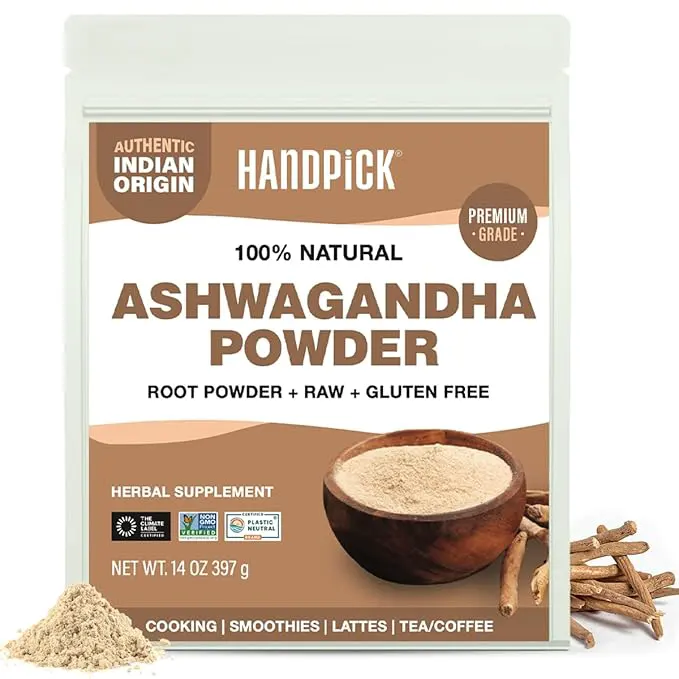
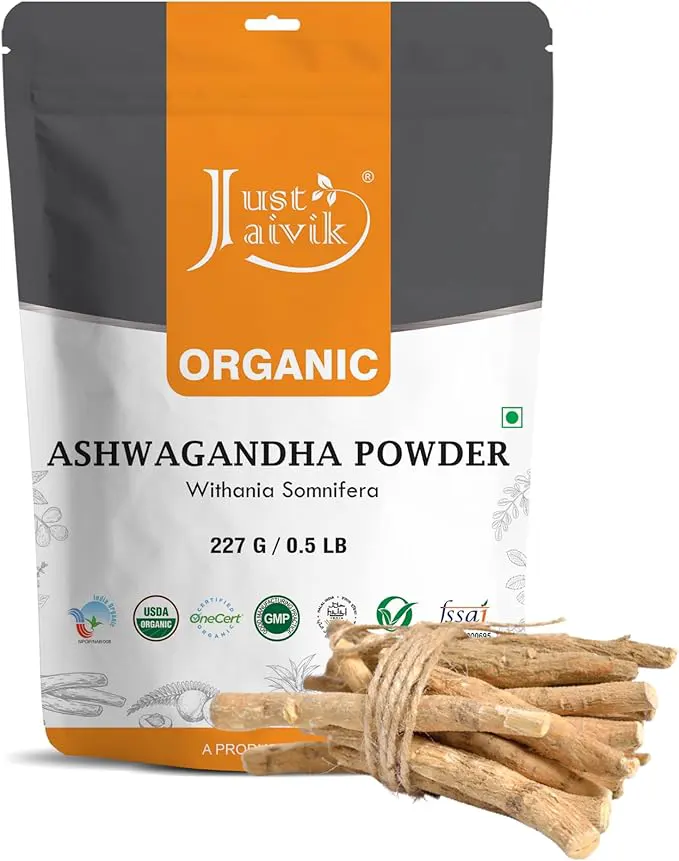
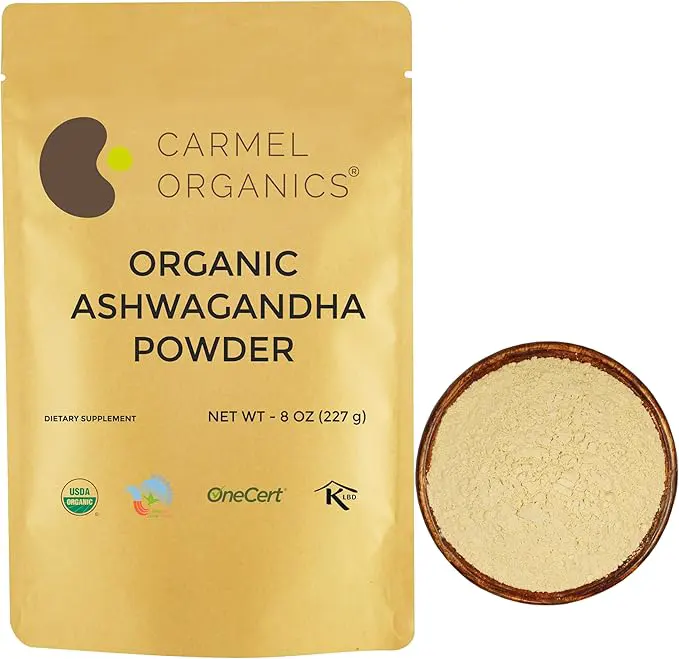
To make an ashwagandha latte, whisk a teaspoon of ashwagandha powder into warm milk (dairy or plant-based) along with a pinch of cardamom and a dash of cinnamon. The spices help mask the herb's slightly bitter, earthy taste. Drink this in the morning or early afternoon; while it is not sedating, it is calming enough that some people prefer not to take it right before bed.
Choose a reputable brand of ashwagandha root powder rather than leaf powder, as the root has a longer history of safe use for stress support. Rotate usage—five days on, two days off—to prevent the body from building tolerance.
No single drink can erase a lifetime of attachment patterns, but consistent small choices do add up. The act of deliberately preparing something warm and nourishing signals to the brain that you are safe enough to pause. Over time, that pause becomes a window in which you can choose a response instead of being swept into an old reaction. Start with one of these drinks today, and notice how your body responds.