
Postpartum hair changes are a common experience that often catches new parents off guard. Shedding, thinning, and increased breakage can feel alarming, especially when you're already adjusting to the demands of a newborn. While it's true that these changes are usually temporary and linked to hormonal shifts, what you put into your body can make a real difference in how quickly your hair recovers and how strong it grows back.
Instead of reaching for another topical treatment, consider nourishing your hair from within. Certain drinks deliver concentrated doses of vitamins, minerals, and fatty acids that directly support the hair follicle and shaft. Here are five science-backed beverages to help restore hair strength and minimize split ends during the postpartum phase.
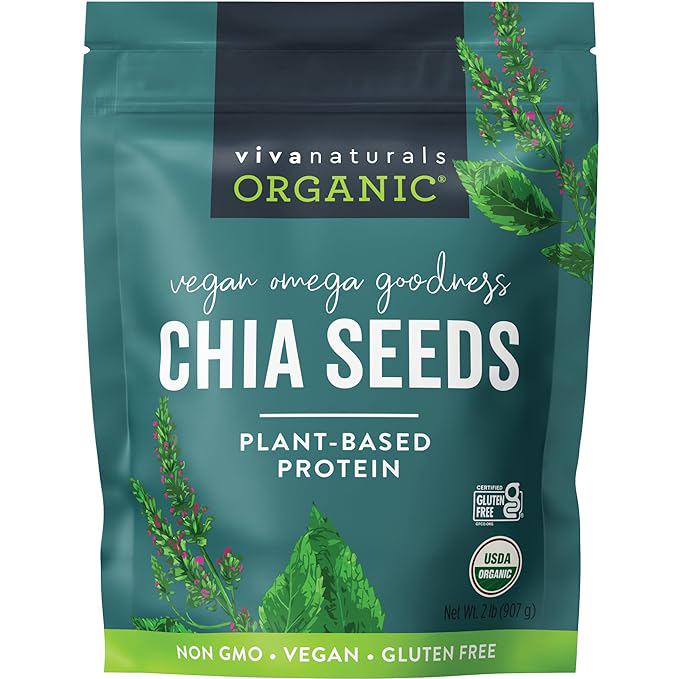
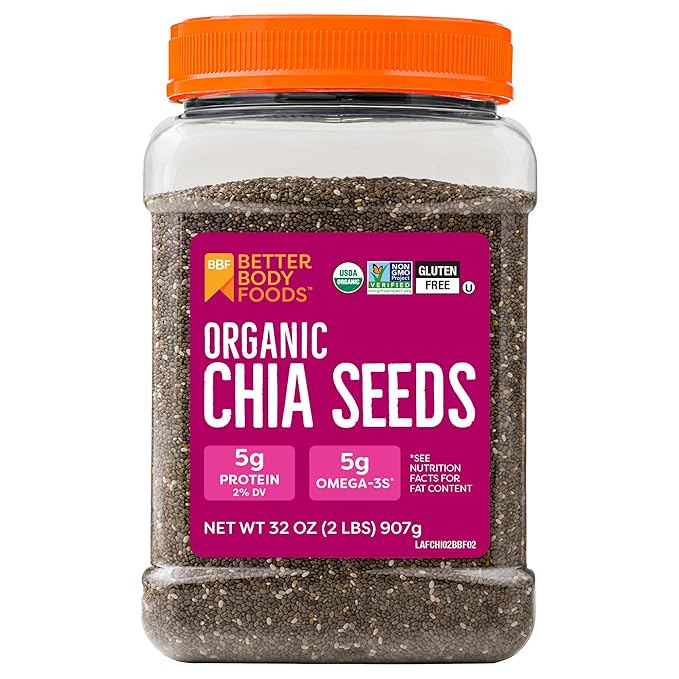
1. Chia seed water or smoothie
Chia seeds are a powerhouse for hair recovery. They're rich in omega-3 fatty acids, which help reduce inflammation around the hair follicle and support a healthy growth cycle. Omega-3s also play a role in keeping the scalp hydrated, which can reduce dryness that leads to breakage.
Additionally, chia seeds provide zinc and copper. Zinc supports tissue repair and helps keep oil glands around the follicles working properly, while copper is involved in the formation of melanin and collagen, both of which contribute to hair strength and color. A simple chia seed drink can be made by soaking a tablespoon of seeds in water or coconut water for 15 minutes, then blending with a splash of lemon or a handful of berries.
Tip: Chia seeds oil, when applied topically, has similar benefits. But drinking them delivers nutrients systemically, which supports regrowth from root to tip.
2. Bone broth
Bone broth is rich in collagen and gelatin, two proteins that provide the building blocks for keratin production. Keratin is the primary structural protein in hair. During the postpartum period, when your body is recovering from pregnancy and birth, collagen stores can be depleted. Regularly drinking bone broth can help replenish those amino acids.
The glycine and proline in bone broth also support the body's natural detoxification processes and improve circulation, including blood flow to the scalp. Better circulation means more oxygen and nutrients reach the hair follicles. Look for homemade or high-quality store-bought broth that has been simmered for at least 12 hours to maximize nutrient extraction.
3. Green smoothie with spinach and berries
Iron deficiency is a common contributor to postpartum hair thinning. Spinach is packed with non-heme iron, which helps red blood cells carry oxygen to hair follicles. Vitamin C from berries boosts absorption of that iron, creating a powerful one-two punch for hair health.
Spinach also contains vitamin A and vitamin C, both necessary for sebum production. Sebum acts as a natural conditioner, keeping hair strands moisturized and less prone to split ends. A green smoothie made with a handful of spinach, half a cup of mixed berries, a tablespoon of flaxseed, and unsweetened almond milk is a nutrient-dense way to start the day.
4. Bone broth alternatives: herbal teas
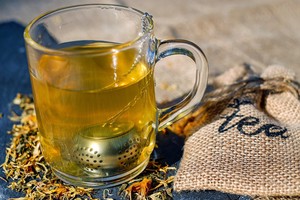
If bone broth isn't your preference, certain herbal teas can support hair recovery without caffeine. Nettle leaf tea is traditionally used to combat hair loss because it's rich in silica and sulfur, both known to strengthen hair shafts and reduce breakage. Horsetail tea is another option that provides bioavailable silica.
Rooibos tea contains alpha hydroxy acid and zinc, which can help soothe an irritated scalp and encourage healthy growth. Drink these teas unsweetened, up to two cups per day, as part of your hydration routine. Because many new parents struggle to stay hydrated, these teas serve double duty: hydration plus targeted nutrients.
5. Protein shake with collagen peptides
Collagen peptides are hydrolyzed collagen that your body absorbs more easily compared to whole collagen from food. A daily protein shake with collagen can provide the specific amino acids needed for hair growth, especially in the postpartum period when protein demands are higher due to tissue repair and milk production.
Choose a plain, unflavored collagen powder and mix it into a smoothie or plant-based milk. Avoid products with added sugars, as high glucose levels can negatively impact hormonal balance and inflammation. Combining collagen with vitamin C (from citrus or berries) enhances your body's ability to manufacture new collagen on its own, strengthening the hair follicle from within.
How to make these drinks part of your routine
Consistency matters more than perfection. Here are a few simple ways to incorporate these drinks without adding stress to your day:
- Prep chia seeds the night before in a mason jar for a grab-and-go breakfast drink.
- Keep a thermos of bone broth or herbal tea next to your nursing or feeding station.
- Blend a green smoothie in bulk and freeze individual portions for busy mornings.
- Add collagen peptides to your morning coffee or tea (cool the drink slightly first to avoid denaturing the protein).
Postpartum hair recovery takes time. Most women resume their normal hair growth cycle around six months after delivery, but gradual improvements in texture and thickness can be noticed within three months of consistent dietary changes. These drinks are tools to support that process, not instant fixes. Be gentle with yourself and your hair as you navigate this transition.