
For those with curly hair, a dry, itchy, or flaky scalp can feel like a constant battle. You might be following a dedicated routine, yet the discomfort persists. Often, the culprit isn't a lack of care, but a few ingrained daily habits that inadvertently strip your scalp of its essential moisture and disrupt its delicate balance.
Understanding the unique needs of curly hair and its scalp is the first step. Curls naturally have a harder time distributing the scalp's natural oils down the hair shaft, leaving the scalp more vulnerable to dryness. When we layer on common practices that further deplete moisture or cause irritation, we create a perfect storm for a parched, unhappy scalp. Let's explore the subtle, everyday actions that might be worsening your dry scalp.
Over-washing or using harsh shampoos
It’s a common reflex: if your scalp feels dry and flaky, you wash it more frequently to “clean” it. For curly hair, this can backfire dramatically. Many shampoos, especially those formulated for oil control or containing sulfates, are designed to deeply cleanse. While effective for greasy hair, they can be too stripping for a scalp that’s already struggling to retain moisture.
Think of your scalp’s natural oils as a protective barrier. Over-washing washes that barrier right down the drain.
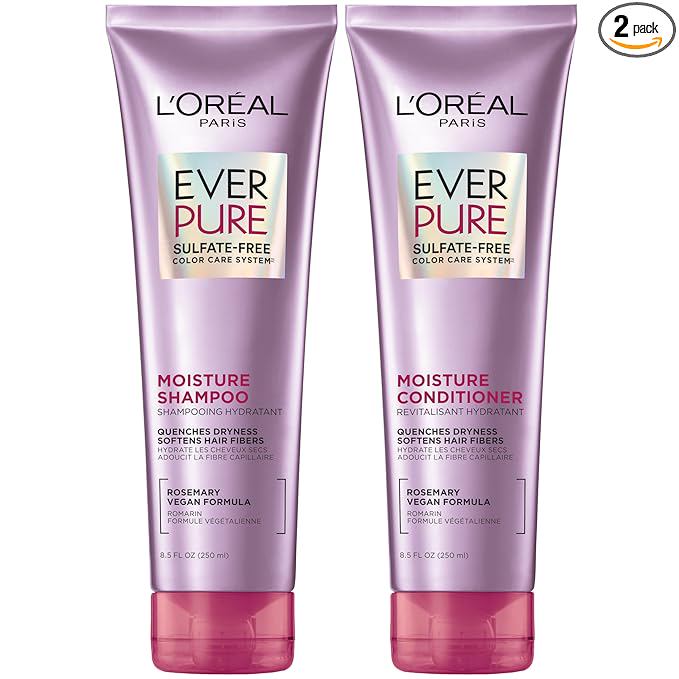
This leaves the skin exposed, vulnerable, and even drier than before. The result is often a cycle of dryness, followed by increased washing, leading to more dryness. For curly types, shifting to a gentle, sulfate-free, moisturizing shampoo and extending time between washes can allow your scalp’s natural ecosystem to rebalance.
Using hot water during washes
A steamy shower might feel relaxing, but that hot water is intensely drying for both your skin and scalp. High temperatures strip away natural oils far more efficiently than warm or cool water. For a scalp prone to dryness, this daily hot rinse is like using a blow dryer directly on the sensitive skin of your scalp, exacerbating tightness, itching, and flaking.
It’s a simple but impactful change: finishing your rinse with cool water, or opting for lukewarm water throughout your wash, can help seal the hair cuticle and, more importantly, preserve your scalp’s crucial moisture barrier. Your curls will thank you for the added shine and definition, too.
Inconsistent or heavy product application
Styling products are essential for curl definition and hold, but how and where you apply them matters immensely for scalp health. A common mistake is applying creams, gels, or mousses directly to the roots and scalp. These products are designed for the hair shaft, not the skin. When they build up on the scalp, they can clog pores, trap dead skin cells, and create an environment that feels both greasy and dry—a frustrating combination.
Furthermore, inconsistent cleansing can lead to product buildup. If you’re not using a clarifying shampoo periodically (think once a month, not weekly), residues accumulate, suffocating the scalp and preventing moisture from penetrating. Focus your stylers on mid-lengths to ends, and ensure your cleansing routine adequately removes buildup.
Rough drying techniques
How you treat your hair after the shower is just as critical. Vigorously rubbing your scalp and hair with a regular terry cloth towel creates friction that roughs up the hair cuticle and can irritate the sensitive scalp skin. This friction worsens dryness and can even lead to breakage.
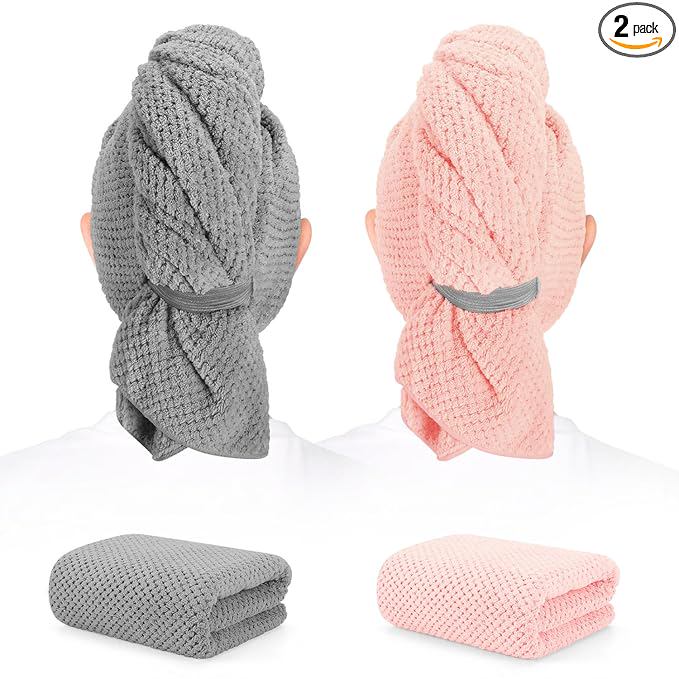
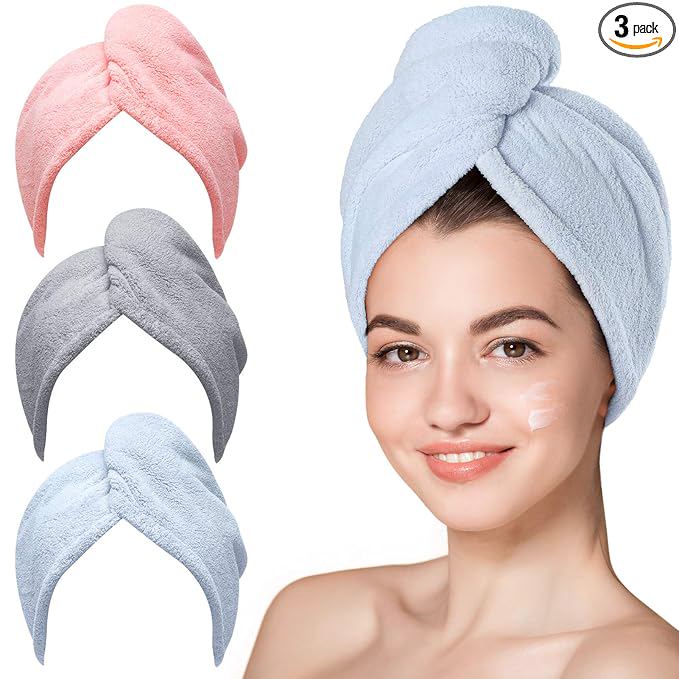
Switching to a microfiber towel or a soft cotton t-shirt to gently squeeze out excess water is a game-changer. The absorbent, smooth material soaks up moisture without the abrasive rubbing. Similarly, avoid going to bed with soaking wet hair piled on your scalp, as the prolonged dampness can disrupt the scalp's microbiome for some individuals, sometimes leading to irritation that mimics or worsens dryness.
Skipping direct scalp moisturization
Many curly hair routines focus intensely on hydrating the curls themselves but neglect the scalp as a source of that hydration. While conditioning the lengths of your hair is vital, the scalp skin needs its own form of care. Relying solely on the runoff from your conditioner is often not enough.
Incorporating a lightweight, scalp-specific oil or serum into your routine can provide targeted nourishment. Look for non-comedogenic oils like jojoba, which closely mimics the skin’s natural sebum, or squalane. A few drops massaged gently into the scalp between washes, or as a pre-wash treatment, can replenish lipids and soothe dryness without weighing down your roots. The key is using a small amount of a product formulated for the scalp, not just any heavy hair oil.
Addressing a dry scalp with curly hair is less about adding more products and more about auditing your daily habits. By adjusting your wash frequency, water temperature, product placement, drying method, and including direct scalp care, you can break the cycle of dryness. The goal is to support your scalp’s health as diligently as you support your curl pattern, creating a balanced foundation for hair that feels good from the root to the tip.