You probably think of your skin barrier as an invisible shield—and it is. When it’s healthy, it keeps moisture in and irritants out. But many of the small choices we make every day can chip away at that defense without us noticing. The result? Dryness, redness, breakouts, and a complexion that feels tight or stingy no matter what you put on it.
Here are five common daily habits that may be quietly undermining your skin barrier—and what to do instead.
1. Over-cleansing or using the wrong cleanser
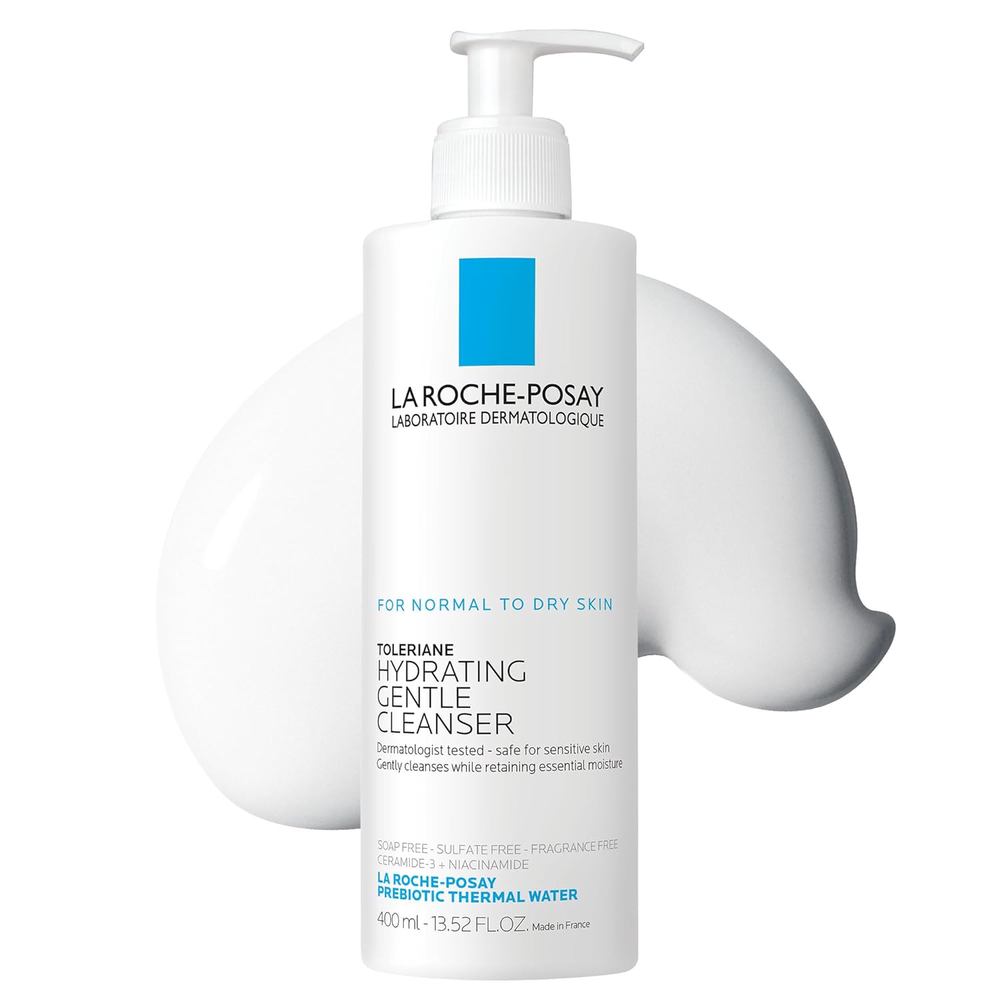
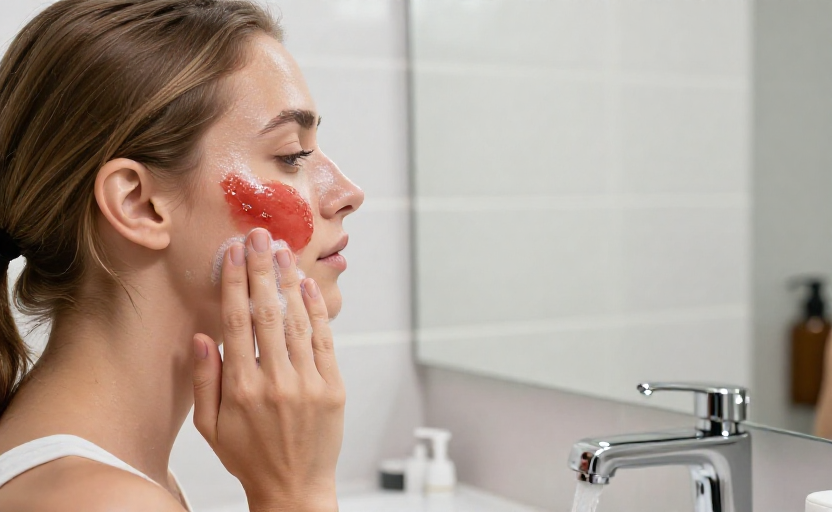
Washing your face twice a day sounds like good hygiene, but the type of cleanser and the way you use it matter. Foaming cleansers that lather aggressively often contain sulfates, which can strip the skin of its natural oils. When those oils are removed too frequently, the barrier becomes compromised.
Switch to a gentle, cream-based or oil-based cleanser, especially in the morning. At night, double-cleanse only if you wear sunscreen or makeup. And always use lukewarm water—hot water dissolves the lipid barrier faster.
2. Skipping moisturizer after cleansing
It’s tempting to rush out of the bathroom without applying moisturizer, especially if your skin feels "clean" or slightly oily. But every time you wash your face, you temporarily disturb the pH and lipid balance. Moisturizer helps restore it.
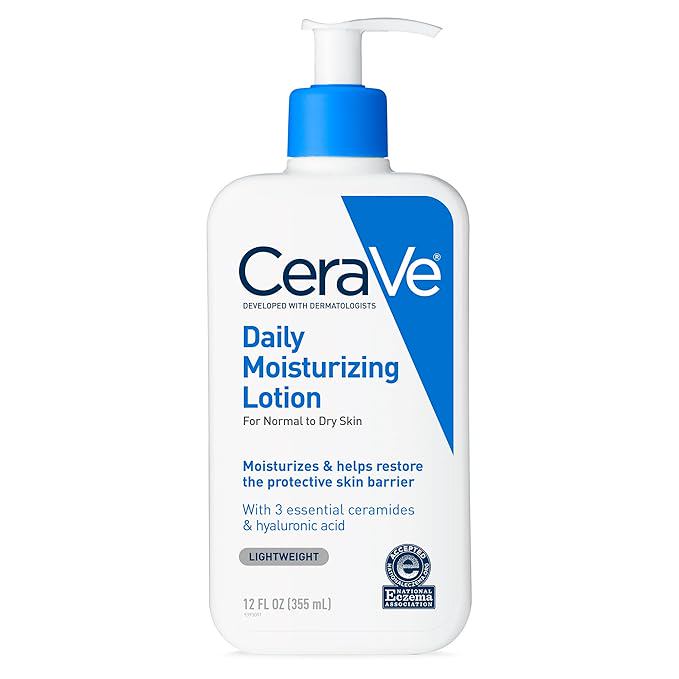
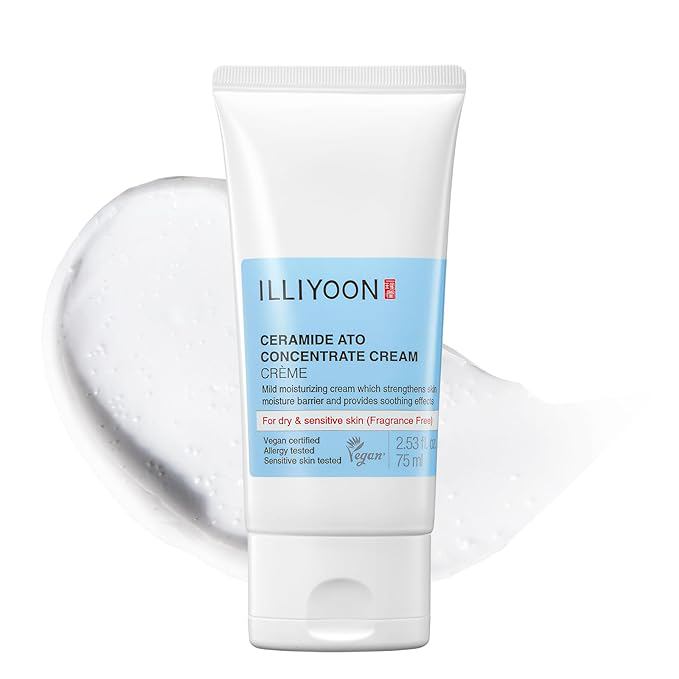
Even oily skin needs hydration. Look for moisturizers that contain ceramides, niacinamide, or squalane—ingredients that mimic the skin’s natural lipids. Apply within 60 seconds of drying your face to lock in the most moisture.
3. Using too many active ingredients at once
Vitamin C in the morning, retinol at night, plus an acid toner, a peel, and a clarifying mask—more is not better when it comes to actives. Layering exfoliants, retinoids, and high-concentration acids can overwhelm the skin barrier and cause transepidermal water loss.
Stick to one or two targeted actives per routine. For example, use a vitamin C serum in the morning and a retinol product two to three nights a week. On off nights, focus on barrier repair with a peptide or ceramide-rich product.
4. Sleeping on dirty pillowcases
Your pillowcase collects dead skin cells, oil, and product residue every night. It also traps bacteria and dust mites. When you press your face against that surface for eight hours, you’re essentially marinating your skin in irritants. Over time, this can weaken the barrier and trigger inflammation.
Swap your pillowcase every two to three days. Cotton or silk options are fine, but what matters more is frequency. You can also lay a clean, thin towel over your pillow and swap it nightly.
5. Exposing skin to indoor heat and dry air
Heating systems, air conditioning, and even long hot showers strip moisture from the air and from your skin. In dry environments, water evaporates faster from the stratum corneum, the outermost layer of the barrier. Micro-cracks form, and sensitivity increases.
Run a humidifier in your bedroom during sleep. Keep showers to five minutes and apply a barrier balm or a rich moisturizer immediately after drying. If your skin feels tight after showering, dial back the temperature and finish with a product that contains petrolatum or dimethicone to seal in hydration.
Small shifts in your daily routine—like swapping your cleanser, moisturizing promptly, or changing your pillowcase—can make a real difference in how resilient your skin feels by the end of the week.