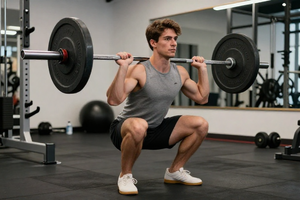

Starting a strength training routine is exciting, but many new lifters hit a frustrating wall: stiff, achy joints that don’t seem to recover. You might blame the new exercises or your form, but often the real culprit is something far simpler—your hydration habits. Even mild dehydration can thicken the synovial fluid that lubricates your joints, making every squat or overhead press feel creaky and uncomfortable.
Here are five common hydration mistakes that directly impact joint health, and how to fix them without overcomplicating your water intake.
1. Drinking only when you feel thirsty
Thirst is a late signal. By the time your mouth feels dry, your body may already be down 1–2 percent of its fluid volume—enough to reduce blood flow to muscles and joints. For lifters, this means less oxygen and nutrient delivery to cartilage, which relies on fluid movement for nourishment. At the gym, aim to sip water throughout the day, not just during your workout. A good starting point: drink about half your body weight in ounces of water daily (e.g., a 160-pound person targets about 80 ounces).
2. Ignoring electrolytes—especially after a sweat session
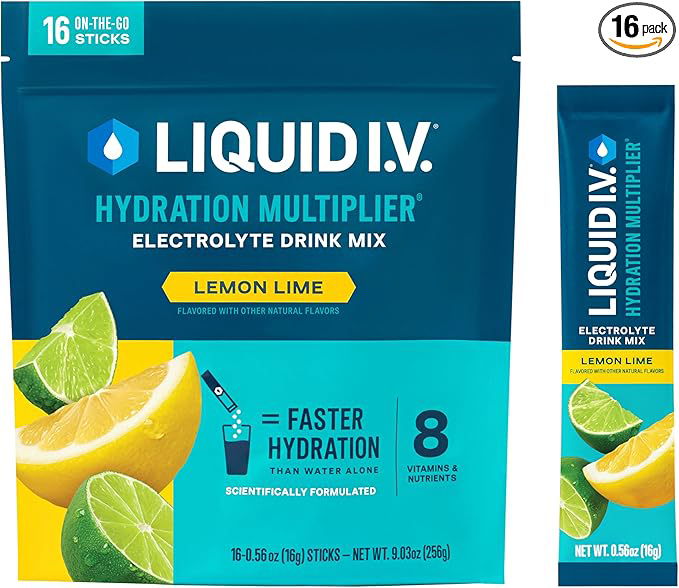
Water alone isn’t enough if you lose significant electrolytes through sweat. Sodium, potassium, and magnesium help regulate fluid balance inside and outside your cells, including the synovial fluid in your joints. When those minerals dip, fluid shifts can leave your joints feeling dry and stiff. After a heavy lifting session or a long cardio warm-up, consider a low-sugar electrolyte drink or a pinch of salt in your water. This helps retain the fluid you drink and supports joint cushioning.
3. Relying on coffee or energy drinks for pre-workout fuel
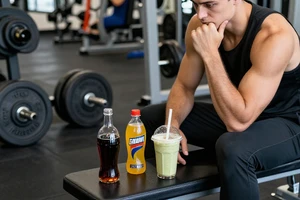
Caffeine in moderate amounts isn’t automatically bad, but many new lifters overdo it. Caffeinated beverages have a mild diuretic effect—they can make you urinate more, potentially accelerating fluid loss. If your pre-workout ritual is a large coffee or an energy drink, you might walk into the gym already slightly dehydrated. Combine that with heavy breathing and sweating, and your joints don’t have the lubrication they need. Try pairing each cup of coffee with an equal amount of water, or choose a hydrating pre-workout snack like a piece of fruit.
4. Skimping on water before and during the workout
Some lifters save hydration for after the gym, thinking they’ll “catch up” later. But starting a workout dehydrated means your body is playing catch-up from the first rep. Joints need consistent fluid flow to maintain the cushion of synovial fluid. Drink about 16–20 ounces of water two to three hours before lifting, and another 8 ounces 20–30 minutes before you start. During your session, sip 4–8 ounces every 15–20 minutes, especially if you’re lifting heavy or training in a warm environment.
Think of hydration as priming your joints for movement, not just putting out a fire after the fact.
5. Overlooking the role of water-rich foods
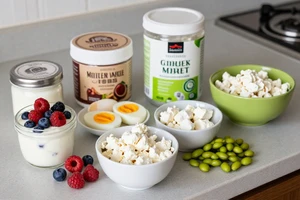
Hydration isn’t just from what you drink. Foods with high water content—like cucumbers, watermelon, oranges, strawberries, celery, and bell peppers—contribute to your total fluid intake and provide antioxidants that can reduce joint inflammation. New lifters often focus on protein and carbs but forget that a well-hydrated body absorbs nutrients better and moves more smoothly. Adding a side of fresh veggies or fruit to your post-workout meal supports your joints as much as your muscles.
Fixing your hydration for better joint health
The takeaway isn’t to chug gallons of water blindly. Instead, build small, consistent habits: carry a reusable water bottle, track your urine color (pale yellow is ideal), and include a balanced electrolyte source on heavy training days. Your joints will recover faster, feel more mobile, and let you focus on getting stronger instead of nursing stiffness.