Curly hair has a mind of its own—and it also has unique needs. While straight strands can often handle a quick brush and air-dry routine, curls are more fragile, especially when they're wet. Many of us unknowingly fall into daily habits that pull moisture right out of our curls and leave the scalp feeling tight, dry, or itchy. The good news? Once you spot these habits, they're easy to fix.
Here are five common daily mistakes that can strip moisture from curly hair and trigger itching—plus what to do instead.
1. Detangling knots when hair is wet—and doing it roughly
It sounds logical: wait until hair is wet and conditioned to work out tangles. But for curly hair, wet strands are at their most vulnerable. The keratin bonds in each hair shaft weaken when saturated with water, making them prone to stretching and snapping. Aggressive detangling at this stage can cause breakage and, over time, leave hair dry and frayed.
A better approach: Finger-detangle or use a wide-tooth comb on dry hair before you step into the shower. If you must detangle after washing, apply a generous amount of leave-in conditioner first. Start at the ends and work upward slowly, holding the section you're working on to reduce tension on the roots.
2. Tying wet hair into a ponytail or bun
After a long day, it's tempting to twist wet curls into a loose bun or ponytail so they're out of the way. But here's what happens: as the hair dries, it shrinks and tightens around the hair tie. This creates constant tension on the hair shaft and scalp, which can lead to breakage, traction alopecia, and an itchy, irritated scalp.
A better approach: Only tie or style curly hair when it's completely dry. If you need to keep it off your face while it dries, use a soft scrunchie loosely or try a pineapple-style ponytail high on the crown with minimal tension. Better yet, let it air-dry freely inside a silk or satin bonnet.
3. Blow-drying wet hair on high heat
We've all been there: rushing out the door and reaching for the blow-dryer set to high. But high heat on soaking-wet curls is a recipe for moisture loss and frizz. The intense heat can boil the water inside the hair shaft, causing bubbles that weaken the structure and strip natural oils.
A better approach: Gently squeeze excess water from your hair with a microfiber towel or an old cotton T-shirt first—never rub or wring. Then, set your dryer on medium or low heat and keep it moving. For gentler drying, use a diffuser attachment and hover it a few inches away from your scalp and curls.
4. Sleeping on wet or damp curls
Heading to bed with wet hair might feel harmless, but overnight, the moisture trapped against your scalp can create a breeding ground for bacteria and fungi. This can lead to itching, flaking, and even scalp irritation. Meanwhile, the friction between wet curls and a cotton pillowcase causes tangling and breakage.
A better approach: If you wash your hair at night, make sure it's at least 80% dry before you hit the pillow. Blot excess water with a microfiber towel, then air-dry or diffuse on low heat until damp—not dripping. Sleep on a silk or satin pillowcase to reduce friction, or wrap your curls in a silk bonnet.
5. Using harsh shampoos or overwashing the scalp
It's not always about what you do after washing—sometimes the problem starts in the shower. Sulfate-heavy shampoos strip the scalp and hair of natural oils, leaving curly strands parched and the scalp prone to irritation and itchiness. Overwashing (scrubbing daily or every other day) can make things worse.
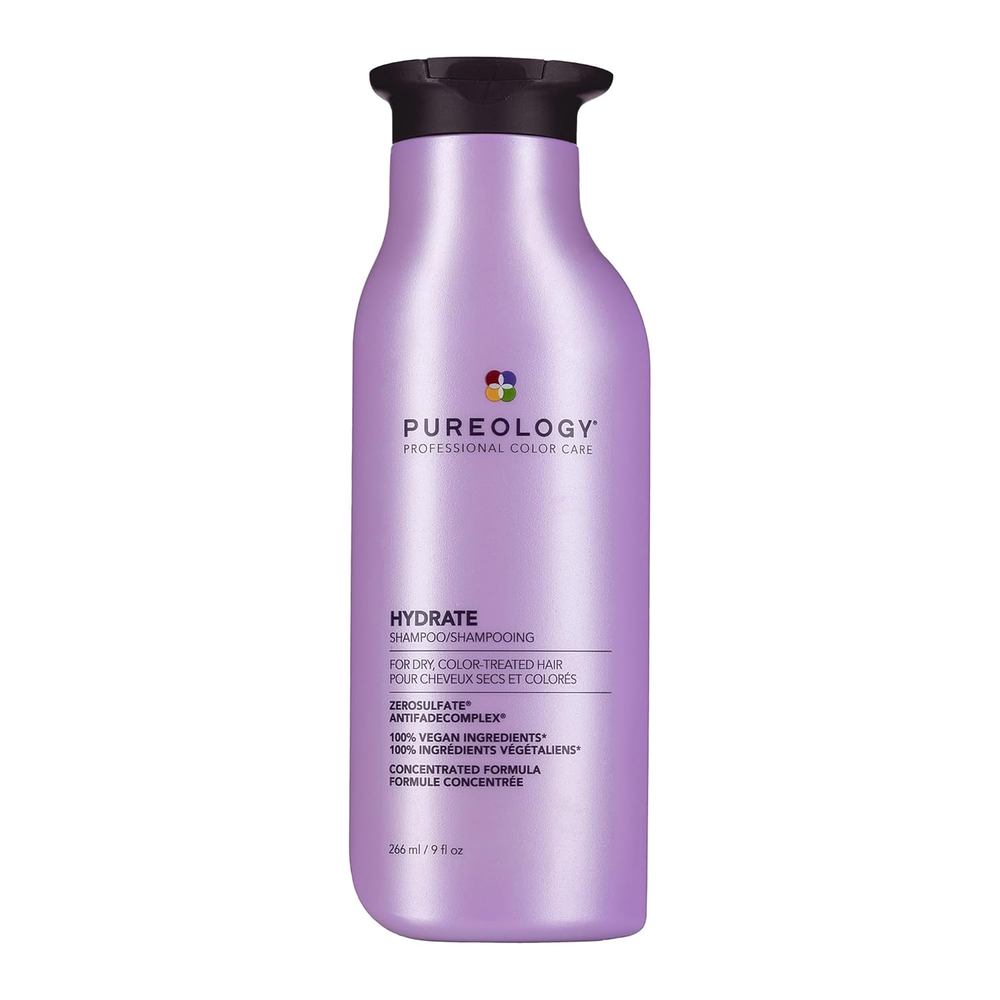
A better approach: Choose a sulfate-free, moisturizing shampoo designed for curly or dry hair. Wash your scalp no more than two to three times per week, and focus on conditioning the mid-lengths and ends. On non-wash days, refresh curls with a water spritz and a light leave-in conditioner or curl cream.
Caring for curls: a gentle reset
Small shifts in your daily routine can make a big difference for moisture retention and scalp comfort. Pre-condition with a light oil (like coconut or jojoba) before washing to strengthen the hair shaft. After washing, blot dry gently with a soft cotton or microfiber towel. Apply a little serum or oil to damp ends, then air-dry or diffuse on a cool or low setting. Your curls will look bouncier, feel softer, and your scalp will thank you.
Remember: curly hair isn't fragile—but it does need a gentler touch, especially when wet. Treat it with care, and it will reward you with moisture, definition, and less itching.