Getting a satisfying, protein-rich dinner on the table without breaking the bank or spending hours in the kitchen is a common goal, especially when you're eating vegetarian. The good news is that some of the most nutritious and versatile protein sources are also incredibly budget-friendly. By focusing on a few pantry staples, you can build countless easy, nourishing meals.
Let's explore five accessible vegetarian proteins that deliver on nutrition, flavor, and value, perfect for your weeknight rotation.
1. Lentils: The Versatile Powerhouse
Lentils are a true workhorse in the vegetarian kitchen. They cook quickly without pre-soaking, are packed with protein and fiber, and have a neutral flavor that absorbs spices and seasonings beautifully. A one-pound bag, which yields multiple meals, often costs just a few dollars.
Brown and green lentils hold their shape well, making them ideal for soups, stews, and hearty salads. Red lentils cook down into a creamy consistency, perfect for dals, curries, or thickening soups. For a simple dinner, try simmering brown lentils with diced carrots, onions, and celery in vegetable broth, then season with thyme and a splash of vinegar for a quick lentil soup. Or, toss cooked lentils with a vinaigrette, chopped herbs, and roasted vegetables for a protein-packed salad.
Tip: Cook a large batch of lentils at the start of the week to add to meals as needed.
2. Canned Beans: The Pantry Lifesaver
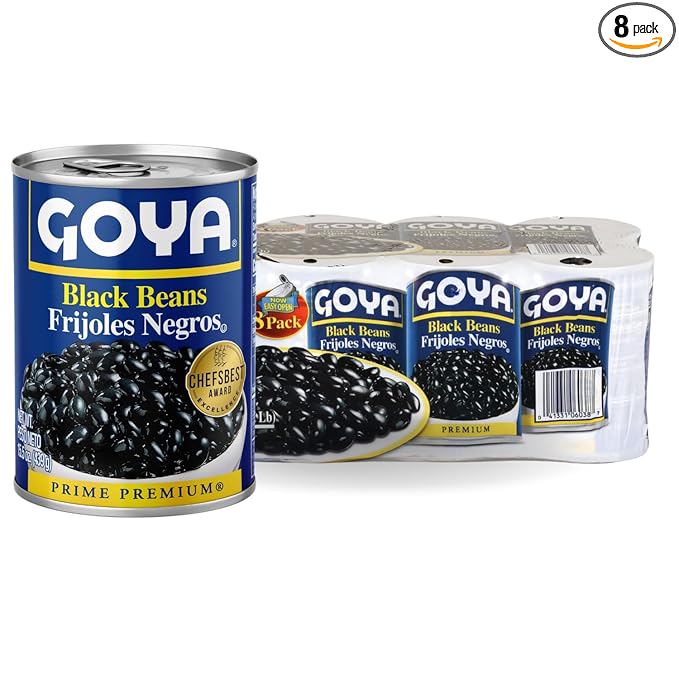
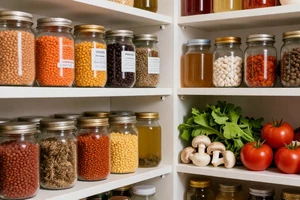
No vegetarian pantry is complete without a few cans of beans. They are the ultimate convenience food—pre-cooked, shelf-stable, and ready to use in minutes. Chickpeas, black beans, kidney beans, and cannellini beans are all excellent, affordable choices.
Their uses are nearly endless. Mash chickpeas with mayo and spices for a quick sandwich filling. Sauté black beans with onions, cumin, and chili powder for tacos or burrito bowls. Stir white beans into pasta with garlic, lemon, and spinach for a creamy, protein-enhanced sauce. Rinsing canned beans before use can reduce sodium content and improve digestibility.
3. Tofu: The Adaptable Canvas
Tofu, made from soybeans, is an excellent source of complete protein and is remarkably affordable per serving. Its mild taste is its greatest strength, as it readily takes on the flavors of any marinade or sauce. The key to great tofu is proper preparation.
For firmer textures suitable for stir-fries or baking, choose extra-firm or firm tofu. Pressing it for 15-30 minutes to remove excess water helps it achieve a chewier texture and absorb more flavor. Crumble firm tofu to make a scramble, or cube and bake it with a glaze for a crispy addition to grain bowls. Silken tofu blends into creamy sauces, smoothies, or even vegan desserts.
4. Eggs: The Quick and Complete Protein
For ovo-vegetarians, eggs are one of the most cost-effective and complete protein sources available. They cook in minutes and can be the centerpiece of a meal. A vegetable-filled frittata or omelet is a classic dinner solution. Hard-boiled eggs can be sliced onto a lentil salad or chopped into a grain bowl for an instant protein boost.
For a heartier dish, try shakshuka—eggs poached in a spiced tomato and pepper sauce, served with crusty bread. Eggs are also a binding agent in veggie burgers or meatless loaves, helping to stretch other ingredients.
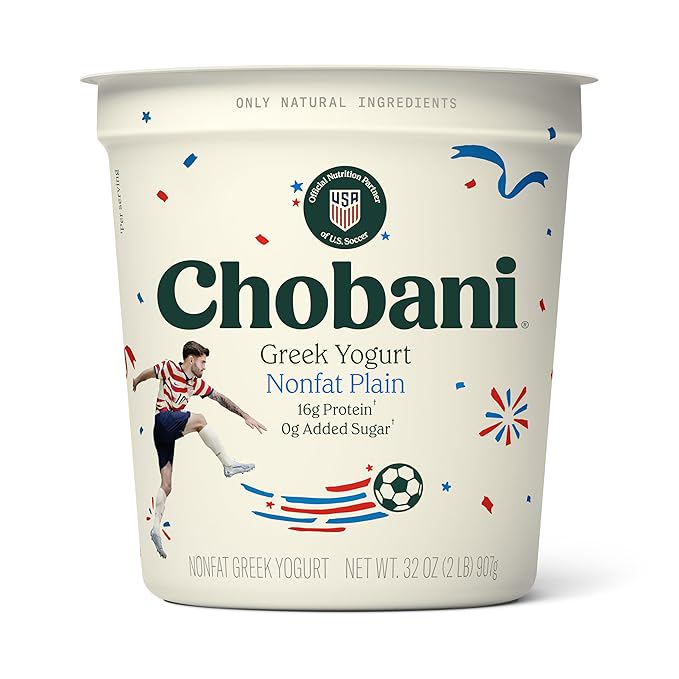
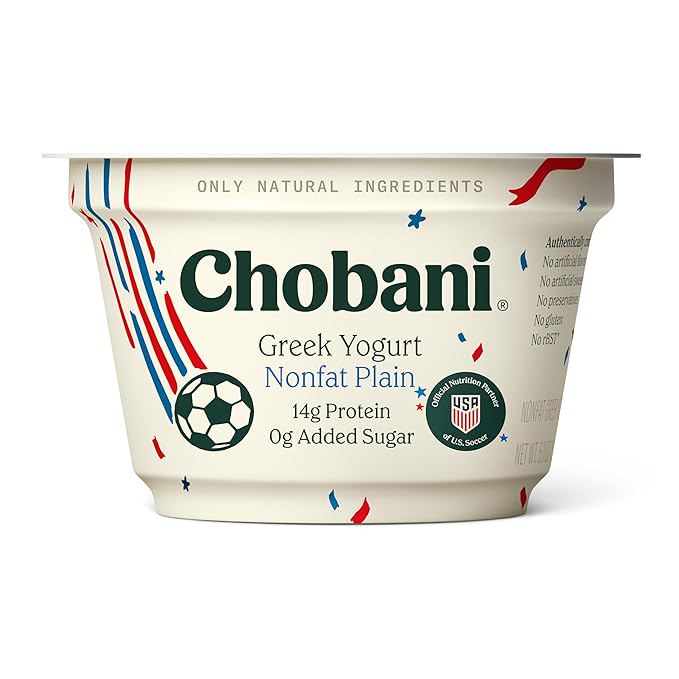
5. Plain Greek Yogurt: The Creamy Protein Boost
While often thought of as a breakfast food, plain Greek yogurt is a fantastic high-protein ingredient for savory dinners. It has roughly twice the protein of regular yogurt. Its thick, tangy profile makes it a healthy substitute for sour cream or mayo.
Use it as a base for creamy salad dressings or dips. Stir a spoonful into a soup to add richness and protein. It also makes a fantastic marinade base for tofu or vegetables, as the acidity helps tenderize. For a simple sauce, mix Greek yogurt with lemon juice, garlic, and dill to drizzle over roasted vegetables or a bean-based dish.
Building Balanced Vegetarian Dinners
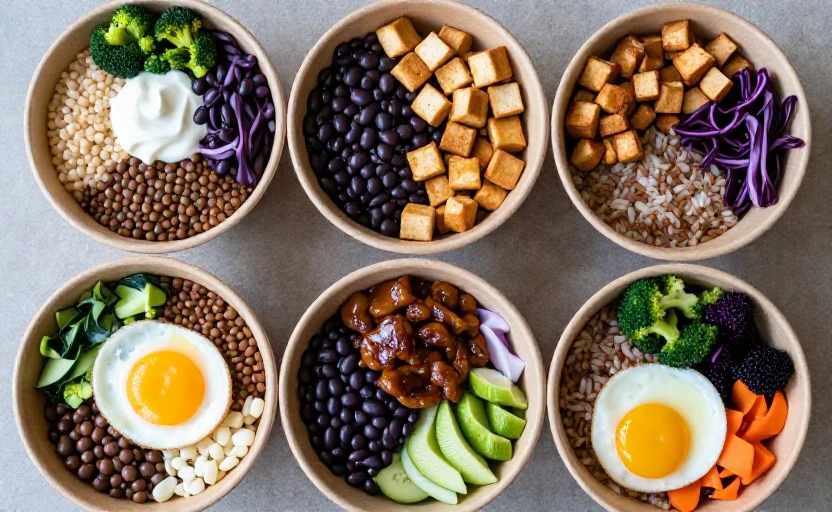
The goal is to combine these affordable proteins with other whole foods to create satisfying plates. A simple formula can guide you: Protein + Whole Grain + Vegetables + Flavor.
- Protein: Choose one from the list above (e.g., a cup of black beans).
- Whole Grain: Add a serving of brown rice, quinoa, or whole-wheat pasta.
- Vegetables: Include at least one or two, either roasted, steamed, or sautéed (e.g., bell peppers and spinach).
- Flavor: Finish with herbs, spices, a squeeze of citrus, or a simple sauce.
This approach takes the guesswork out of meal planning and ensures you're getting a spectrum of nutrients. With these five budget-friendly proteins as your foundation, you can enjoy a wide variety of easy, delicious, and nourishing vegetarian dinners any night of the week.