Switching to or maintaining a vegetarian diet shouldn’t mean your grocery bill has to climb. Often, the perceived cost comes from relying on specialty meat substitutes or out-of-season produce. The secret to affordable, satisfying vegetarian cooking isn’t in expensive replacements, but in smart, foundational swaps that use humble, versatile ingredients to build flavor and texture.
These five budget-friendly exchanges focus on pantry staples and common vegetables, helping you create hearty meals without straining your wallet. They’re about working with what you have, reducing food waste, and discovering new ways to enjoy plant-based eating.
Swap Pricey Meat Substitutes for Hearty Lentils or Beans
Pre-packaged veggie burgers, sausages, and meatless crumbles are convenient, but they come with a premium price tag. For a fraction of the cost, a bag of dried lentils or canned beans can provide the same satisfying, protein-rich foundation for countless dishes.
Brown or green lentils hold their shape beautifully in soups, stews, and “meat” sauces, mimicking the texture of ground meat. A cup of cooked lentils offers about 18 grams of protein and 15 grams of fiber. For tacos, chili, or pasta sauce, simply cook lentils with your usual seasonings—cumin, chili powder, oregano, garlic—until tender. The result is a deeply flavorful, nutrient-dense base that costs pennies per serving compared to processed alternatives.
Tip: Cook a large batch of lentils on the weekend to have them ready for quick weeknight meals.
Swap Fresh Herbs for Dried in Long-Cooked Dishes
A small plastic clamshell of fresh herbs can be surprisingly costly and often wilts before you use it all. While fresh herbs are irreplaceable in salads, garnishes, and quick sauces, dried herbs are the economical champion for cooked dishes.
In soups, braises, marinades, and simmered sauces, dried oregano, thyme, rosemary, and basil infuse their flavor perfectly. The key is to add them early in the cooking process, allowing heat and time to rehydrate and mellow their intensity. You get consistent flavor from a jar that lasts for months in your pantry, eliminating waste and last-minute store runs.
Swap Out-of-Season Produce for Frozen or Canned
Craving asparagus in December or fresh berries in February can blow your budget. Frozen and canned vegetables and fruits are picked at peak ripeness and flash-frozen or preserved, locking in nutrients at a much lower price point.
Frozen spinach, peas, corn, and mixed vegetables are perfect for stir-fries, curries, frittatas, and smoothies. No washing or chopping required. Canned tomatoes—diced, crushed, or whole—are the undisputed backbone of affordable vegetarian cooking, essential for sauces, soups, and stews. For fruits, frozen mango or berries work wonderfully in oatmeal, baked goods, or blended desserts.
Swap Pine Nuts for Sunflower or Pumpkin Seeds
Pine nuts can be a luxurious purchase, especially for making a classic pesto. Toasted sunflower seeds or pumpkin seeds (pepitas) offer a remarkably similar nutty, rich flavor and creamy texture when blended, at a much more accessible price.
For a vibrant pesto, blend a couple of handfuls of toasted sunflower seeds with fresh basil, garlic, olive oil, nutritional yeast or Parmesan, and a squeeze of lemon. The result is just as delicious and versatile. These seeds also make a fantastic, crunchy salad topping or garnish for roasted vegetables, adding protein and healthy fats without the high cost.
Swap Dairy Milk for a DIY Nut or Seed “Cream”
Plant-based milks and creamers are convenient, but making a simple, rich cream from cashews or oats at home is incredibly cost-effective and avoids additives. Raw cashews, when soaked and blended with water, create a luxuriously smooth cream perfect for creamy pasta sauces, soups, and desserts.
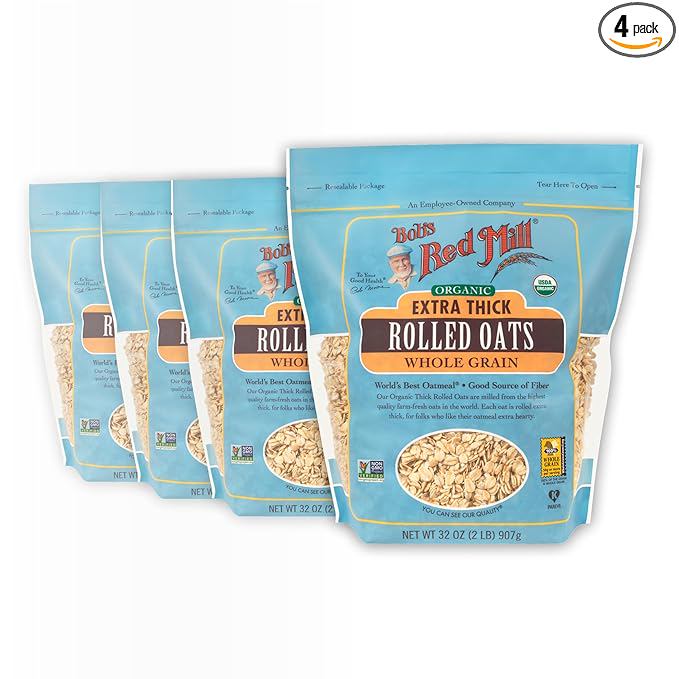
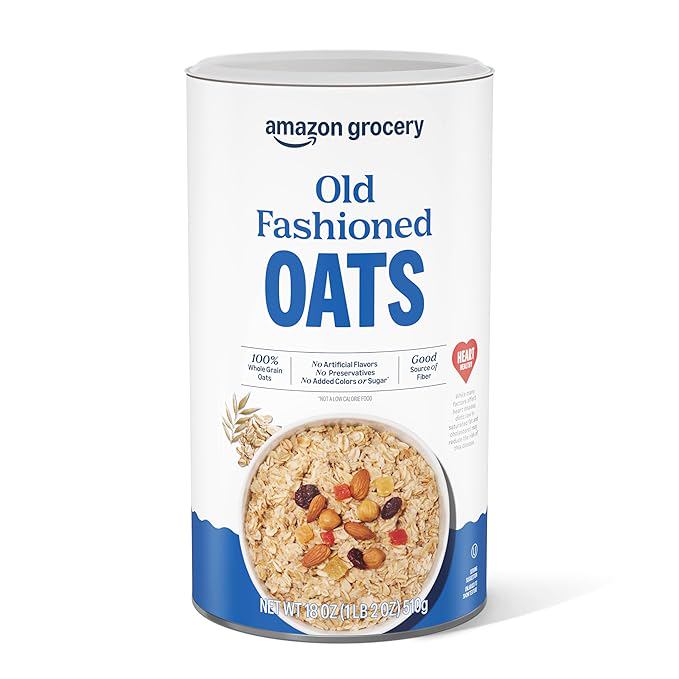
For a truly budget option, use rolled oats. Blend ½ cup of rolled oats with 2 cups of water for a minute, then strain through a fine mesh bag or nut milk bag. The resulting oat “milk” can be simmered with a little nutritional yeast, garlic powder, and salt to make a quick, velvety cheese sauce for pasta or vegetables. You control the flavor and thickness, and you’re left with just two core ingredients: oats and water.
Embracing these swaps shifts the focus from replacement to resourcefulness. It’s about building meals from accessible, whole ingredients that are naturally affordable. Over time, this approach not only saves money but also deepens your connection to cooking, allowing you to create nourishing, vegetarian food with confidence and creativity.