
For many women navigating menopause, bladder changes can feel like an unwelcome surprise. The decline in estrogen affects the tissues of the urinary tract, making the bladder more sensitive and sometimes increasing the urgency or frequency of trips to the bathroom. While it's a common experience, it doesn't mean you have to live with constant discomfort. What you eat plays a surprisingly direct role in how your bladder behaves.
Instead of focusing on what to cut out, let's talk about what to add in. The right foods can help calm an irritable bladder, support the pelvic floor, and provide the nutrients your body needs during this transition. Here are five bladder-friendly foods worth adding to your plate.
Pumpkin Seeds for Pelvic Floor Support
Pumpkin seeds are small but mighty when it comes to bladder health. They are one of the best natural sources of zinc and magnesium—two minerals that play a key role in muscle function and repair. The pelvic floor muscles, which help support the bladder, benefit directly from these nutrients. Magnesium also has a calming effect on muscle tissue, which may help reduce the sensation of bladder spasms or urgency.
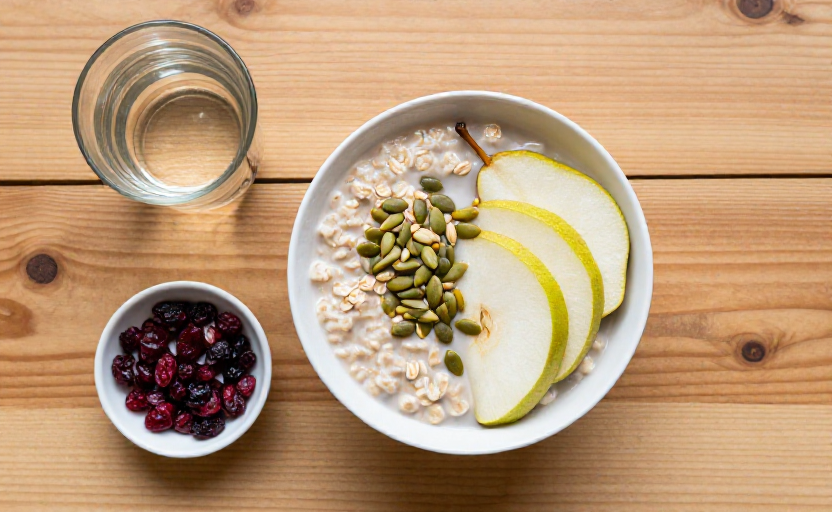
Add a handful of raw or lightly roasted pumpkin seeds to your morning oatmeal, sprinkle them over a salad, or blend them into a smoothie. They offer a gentle, steady source of nourishment without any of the irritants found in some other snacks.
Tip: Choose unsalted pumpkin seeds to avoid excess sodium, which can contribute to fluid retention and worsen bladder pressure.
Pears for Gentle Hydration
When your bladder is sensitive, not all fruits are your friend. Citrus fruits, tomatoes, and strawberries are high in acid and can irritate the bladder lining. Pears are a safe, soothing alternative. They have a low acid content and a high water content, making them an excellent choice for staying hydrated without triggering urgency.
Hydration is tricky during menopause because drinking too little water can concentrate urine and irritate the bladder, while drinking too much at once can cause a mad dash to the bathroom. Pears provide a slow-release form of water along with fiber, which supports digestion and prevents constipation—another factor that can put pressure on the bladder. A ripe pear makes for an easy snack, or you can poach it with a cinnamon stick for a warm, comforting dessert.
Lean Protein for Tissue Integrity
The tissues of the bladder and urethra rely on collagen and elastin to stay strong and flexible. Estrogen helps maintain these structures, but as estrogen levels drop during menopause, the tissues can become thinner and more fragile. Adequate protein intake gives your body the raw materials it needs to maintain and repair these tissues.
Choose lean, low-irritation sources of protein. Think skinless chicken breast, turkey, eggs, and tofu. Fatty fish like salmon or sardines are also excellent choices because they provide omega-3 fatty acids, which help reduce systemic inflammation. Avoid heavily seasoned or processed meats, as spices and preservatives can sometimes aggravate the bladder.
Aim to include a serving of lean protein at each meal. This doesn't just support your bladder—it also helps stabilize blood sugar, which can fluctuate during menopause and contribute to fatigue and mood swings.
Cranberries (with Caution)
Cranberries often come up in conversations about bladder health, and for good reason. They contain compounds called proanthocyanidins, which can help prevent bacteria from sticking to the walls of the urinary tract. This is particularly relevant for women who are prone to urinary tract infections (UTIs), a risk that increases after menopause due to changes in vaginal and urethral tissues.
However, there is a catch. Cranberries are naturally tart and somewhat acidic, and for some women, the acidity can irritate an already sensitive bladder. The key is to use them judiciously. Unsweetened cranberry juice (diluted with water) or a small serving of dried cranberries may offer benefits without causing irritation. If you notice that cranberries make your symptoms worse, listen to your body and take a break.
Important: Avoid cranberry juice cocktails, which are loaded with added sugar. Sugar can feed bacteria and may worsen inflammation.
Whole Grains for Steady Digestion
Constipation is a common complaint during menopause, thanks in part to slowing digestion. When the colon is full, it can press against the bladder, reducing its capacity and increasing the feeling of urgency. Whole grains like oats, barley, quinoa, and brown rice provide the insoluble fiber needed to keep things moving smoothly.
Steady digestion also means less bloating and less pressure on the pelvic floor. Start your day with a bowl of oatmeal topped with pumpkin seeds and pears for a triple-threat bladder-friendly breakfast. If you are not used to a high-fiber diet, increase your intake gradually and drink plenty of water to allow the fiber to do its job without causing gas or discomfort.
Putting It All Together
Building a bladder-friendly diet during menopause is less about strict elimination and more about making mindful choices that support your body's changing needs. These five foods offer a strong foundation, but they work best as part of a broader pattern that includes staying well-hydrated, limiting caffeine and alcohol, and managing stress. Small, consistent changes can make a meaningful difference in how comfortable you feel day to day.