
You trust your moisturizer to soothe and protect. But sometimes, that same product can clog pores, trigger inflammation, and cause the very blemishes you are trying to prevent. The line between hydration and congestion is thin, and it often comes down to the ingredients and how your skin reacts to them.
When breakouts appear in new places or your skin texture feels rougher, your moisturizer might be the culprit. Here are four warning signs that your cream or lotion is working against your skin—not for it.
1. Tiny bumps or closed comedones keep showing up
If you notice small, flesh-colored bumps that do not come to a head, you are likely dealing with closed comedones. This is a classic sign that a product is occluding the pore opening. Ingredients like heavy oils (coconut oil, cocoa butter), silicones, or waxes can form a film that traps dead skin cells and sebum.
Switch to a non-comedogenic formula labeled “oil-free” or one that lists lightweight emollients such as squalane or grapeseed oil.
2. Red, inflamed pimples in areas you usually don’t break out
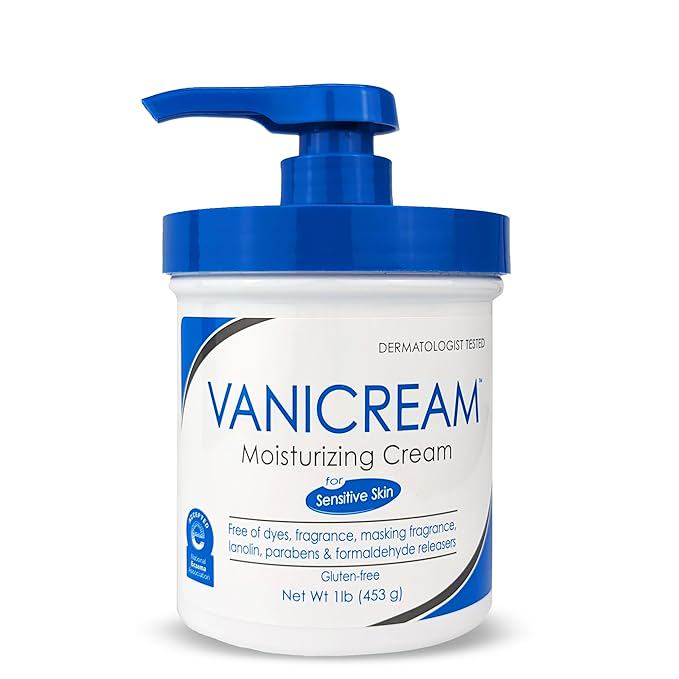
When you suddenly see angry red spots on your cheeks, jawline, or forehead—places that were previously clear—it is a strong signal that something in your routine is causing irritation. This is different from hormonal acne, which tends to follow a predictable pattern around the chin and jaw. Moisturizers with fragrances, essential oils, or certain fatty alcohols (like cetyl alcohol) can be inflammatory for sensitive skin.
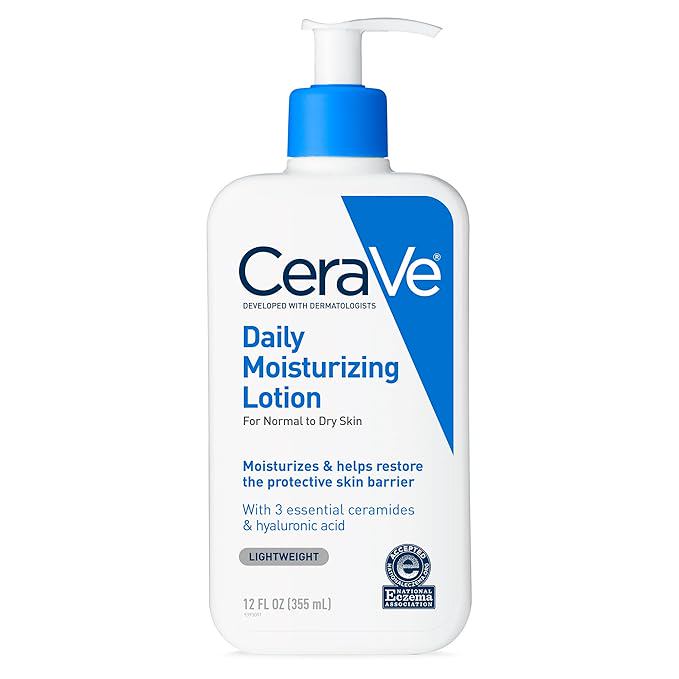
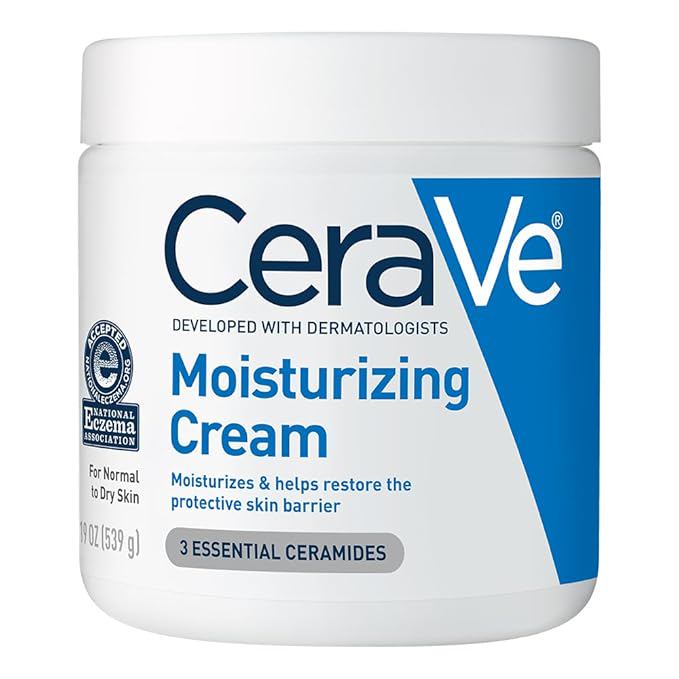
Try a bland, fragrance-free moisturizer with ceramides and niacinamide to calm the skin while still providing hydration.
3. Skin feels greasy by midday but still looks dehydrated
This paradox—oily yet parched—often happens when a moisturizer is too rich for your skin type. The product sits on top of the skin without absorbing, leading that greasy feel. Meanwhile, the deeper layers lack the water-binding ingredients they need. The result? Your skin overproduces oil to compensate, which mixes with dead skin cells and bacteria, leading to breakouts.
Look for gel-based or water-based moisturizers with humectants like hyaluronic acid and glycerin. These hydrate without adding heavy oils.
4. Breakouts worsen after using a new product for a week or two
If you started a new moisturizer and saw more pimples within two weeks, you are likely experiencing product-induced acne. This is sometimes called “purging,” but true purging only happens with active ingredients like retinoids or acids. A moisturizer should not cause purging. If it does, it is probably comedogenic or irritating.
Stop using the product for a few days and see if your skin calms down. If it does, reintroduce one ingredient list at a time to identify the culprit.
Your moisturizer is meant to support your skin barrier, not sabotage it. If you recognize any of these signs, consider simplifying your routine. A shorter list of well-tolerated products often leads to clearer, healthier skin. When in doubt, patch-test anything new for at least a week before applying it to your whole face.