Exfoliation feels productive, almost like a reset button for your face and body. But when the urge to scrub, buff, or peel becomes too frequent or too aggressive, the very barrier that keeps your skin calm and hydrated can start to break down. The skin barrier—the outermost layer composed of lipids and dead skin cells—is your body's first line of defense. When it's intact, skin looks plump, smooth, and even. When it's compromised, you'll know it, and not in a good way.
Here are four unmistakable warning signs that your exfoliation routine may be doing more harm than good, plus what to do about them.
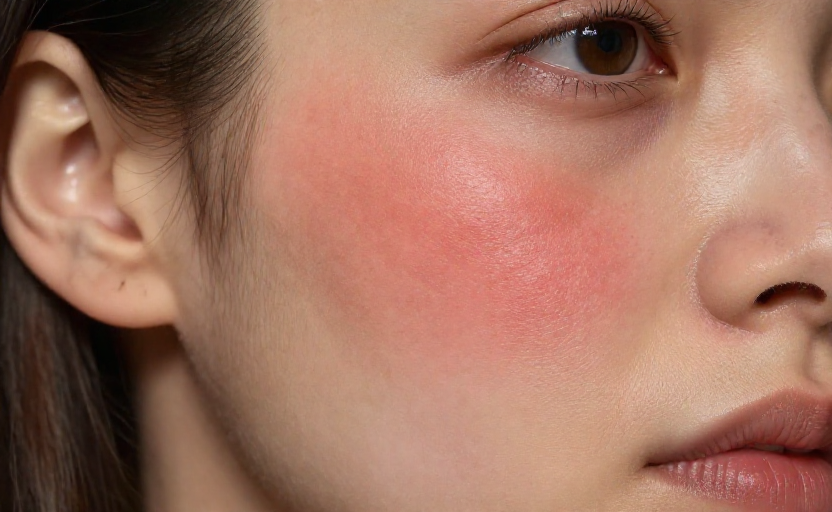
1. Persistent red and irritated patches
A little flush after a gentle scrub isn't always a problem. But if you're noticing patches of red skin that don't fade after a few hours—or that linger for days—your barrier is likely inflamed. This kind of irritation is different from a healthy "glow." It's a sign that you've stripped away protective oils, leaving the underlying layers exposed to environmental stressors.
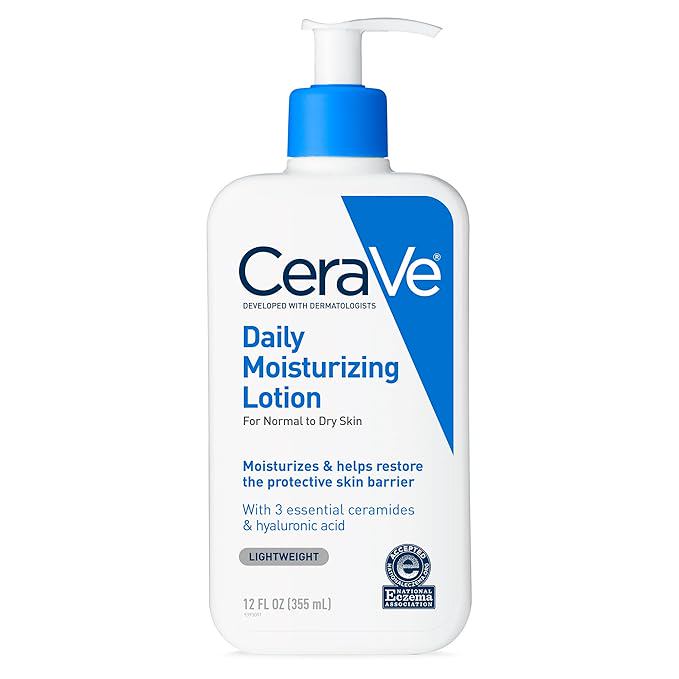
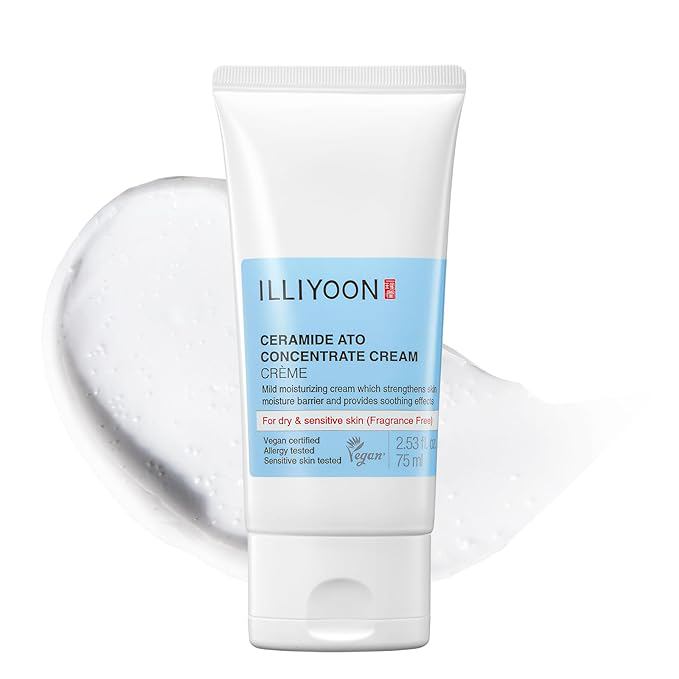
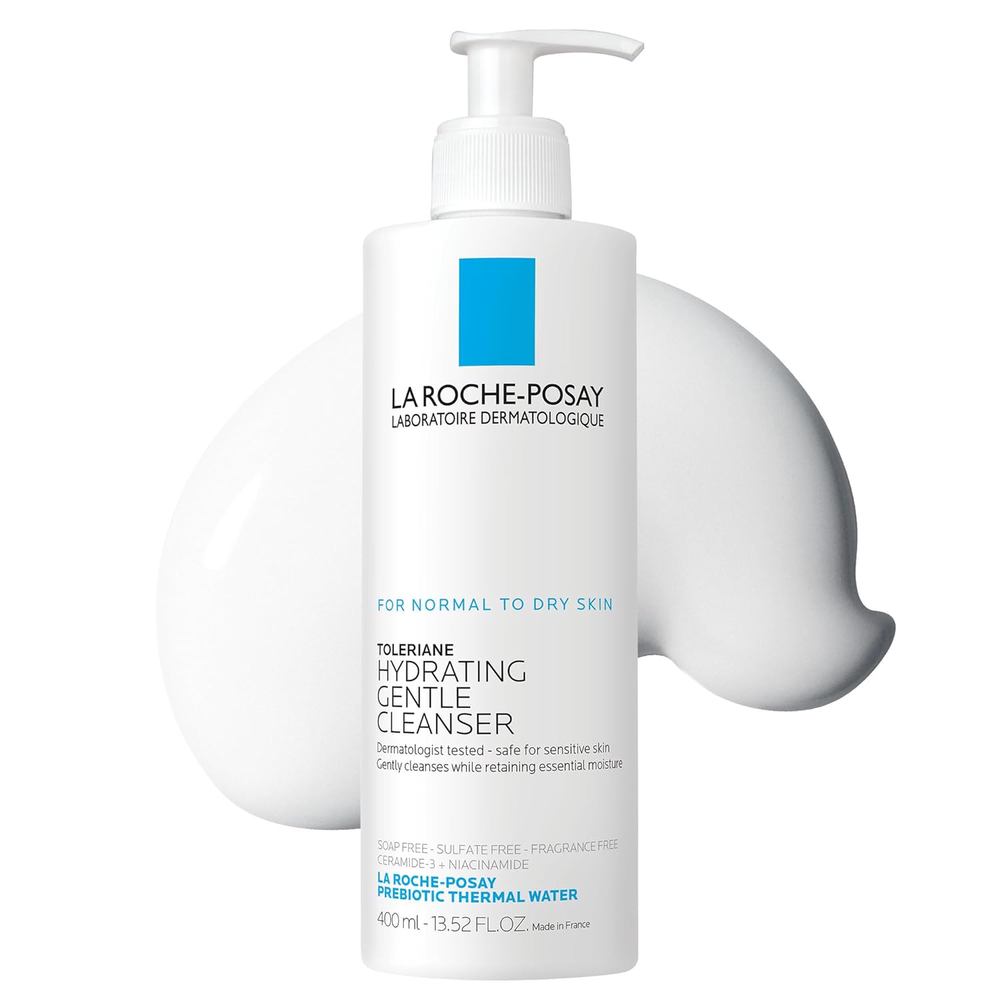
If your face or body feels hot to the touch after exfoliating or looks blotchy, it's time to back off on the physical scrubs, high-concentration acid peels, or retinol products. Give your skin a break for at least three to five days and stick to gentle, hydrating cleansers and rich moisturizers that contain ceramides or niacinamide.
2. That telltale tight and shiny look
Right after exfoliating, your skin might feel squeaky clean. That's not a good thing. A healthy barrier should feel supple, not tight. If your skin looks unnaturally shiny, as if it has been polished, and it feels stretched, you have likely removed the outermost corneocyte layer. This over-exfoliated look is sometimes called "skin barrier damage" in dermatology circles. The shine comes from the loss of texture, not from health.
Stop all active exfoliation immediately. Switch to a ultra-gentle cleanser and a simple moisturizer for a week. If the tightness improves, you can slowly reintroduce one low-frequency product later—but only once your skin feels comfortable again.
3. Stinging or burning when applying basic products
Those tingles you feel when you layer on your moisturizer or sunscreen are not "proof it's working." A healthy barrier is resilient. When it's compromised, even products you've used for months—like hyaluronic acid serums or mineral SPF—can cause a sharp stinging sensation. This is because the lipid layer that normally protects nerve endings has been eroded.
If you find yourself wincing every time you apply your skincare, take that as a direct red flag. During this period, avoid water-based actives and use only squalane, petrolatum, or a barrier repair balm. Skip the exfoliating altogether until the stinging stops completely.
4. More breakouts and bumpier texture
It sounds counterintuitive, but over-exfoliating can cause breakouts. When you strip away your barrier, your skin can respond by overproducing oil to compensate. This can lead to clogged pores and a rough, bumpy texture. You may also see small, dry flakes sitting on top of oily skin—a classic sign of a compromised barrier.
Instead of reaching for another exfoliant, switch to a routine that focuses on gentle cleansing and moisture. A barrier repair moisturizer with ingredients like panthenol, shea butter, or oat extract can help soothe the skin and bring balance back.
A simple rule of thumb: if your skin hurts or looks irritated, stop exfoliating for a week and see how it recovers. Most barriers can bounce back quickly with rest and hydration.
How to fix an over-exfoliated skin barrier
If you recognize any of these signs in your own routine, don't panic. Recovery takes patience but is generally straightforward. Strip your routine down to the bare essentials: a gentle, non-foaming cleanser, a hydrating moisturizer with barrier-supporting ingredients, and a mineral sunscreen during the day. Avoid any product labeled "exfoliating," "peeling," "brightening," or "clarifying" for at least two weeks.
When you reintroduce exfoliation, do so sparingly. That might mean using a mild chemical exfoliant (like a low-percentage lactic acid) just once a week, or sticking to a soft washcloth instead of a gritty scrub. Listen to your skin—it will tell you when enough is enough.