You might not think about collagen very often. It's one of those things that just quietly does its job—until it doesn't. Collagen is the most abundant protein in your body. It's what gives your skin its bounce, your joints their cushion, and your bones their strength. Think of it as the scaffolding that holds everything together.
In your twenties, your body produces collagen at a steady, reliable pace. But around the midpoint of your third decade, production naturally begins to dip. By the time you hit forty, you're losing collagen at a rate of about one percent each year. This is a normal part of aging, not a crisis. But the physical signals can be subtle at first. Here are four warning signs that your body's collagen production is slowing down.
1. Your skin is losing its bounce
This is usually the first clue. You might notice that your skin doesn't snap back the way it used to. You press on your cheek or the back of your hand, and the indentation lingers for a moment longer. The medical term for this is skin turgor, and it's a direct reflection of the collagen and elastin in the dermis.
When collagen is plentiful, the skin's structure is like a firm mattress. As it declines, it's more like a sagging cushion. Fine lines appear around the eyes and mouth, and you may notice a subtle thinning of the skin itself. It doesn't happen overnight, but the change is real—and it's not something a moisturizer can fully fix, because the issue is happening beneath the surface.
A simple check: Gently pinch the skin on the back of your hand for five seconds. In your younger years, it springs back instantly. If it takes longer, your collagen network isn't as supportive as it once was.
2. Your joints feel stiff or achy
Collagen isn't just for looks. It's a major component of cartilage, the rubbery tissue that pads the ends of your bones and allows your joints to glide smoothly. When collagen levels drop, that protective cushion wears thin. You might feel creakiness in your knees when you stand up after sitting for a while, or a dull ache in your shoulders that doesn't seem tied to an injury.
This isn't necessarily arthritis, but it's a sign that the joints are working with less lubrication and shock absorption than they were designed for. Many people assume stiffness is just part of getting older, and to some degree it is—but declining collagen is a major contributing factor. If your joints feel tighter after periods of inactivity, collagen loss could be playing a role.
3. Your nails and hair feel weaker
Hair and nails are made mostly of keratin, but collagen provides the amino acids that support keratin production. When your internal collagen supply dwindles, hair strands can become finer and more prone to breakage. Nails may split, peel, or stop growing as quickly as they once did.
This is one of those signs that people often attribute to stress or diet—and those things matter too—but a gradual, persistent change in nail and hair quality over several months can point to a systemic drop in collagen synthesis. If your hair has lost its shine or your nails have become brittle without any obvious cause, it's worth considering the role of collagen.
4. You bruise more easily
Blood vessels are surrounded by a collagen-rich matrix that keeps them stable and protected. As that matrix weakens, your capillaries become more fragile. Even a minor bump that never would have left a mark before now results in a noticeable purple or blue spot. You might start noticing bruises on your arms or shins and not remember how they got there.
Easy bruising is common in older adults for exactly this reason. The skin becomes thinner and the blood vessels have less structural support. While bruising can also be related to medications or vitamin deficiencies, a gradual increase in bruising over time is a classic sign that your connective tissues are losing their integrity.
What can you do about it?
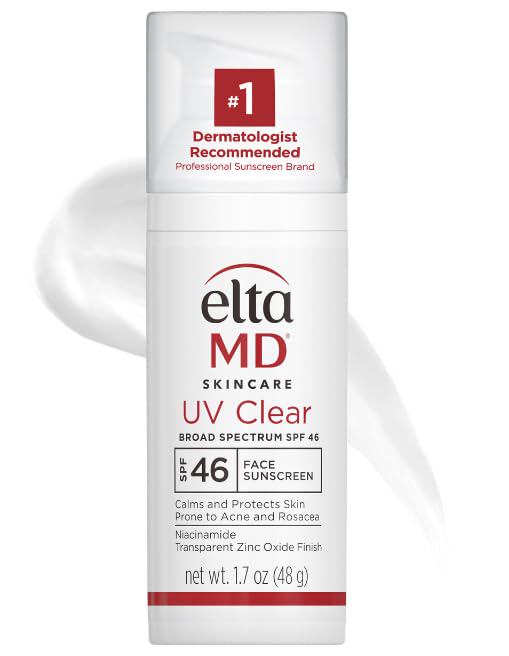
You can't stop the clock, but you can support your body's collagen production with smart habits. Eating enough protein gives your body the amino acids it needs to build collagen. Vitamin C is essential for the synthesis process—think citrus, bell peppers, and strawberries. Sun exposure is a major collagen destroyer, so daily sunscreen matters more than any serum you could buy. Smoking and high sugar intake both damage collagen fibers, so cutting back on those helps preserve what you have.
Some people turn to collagen supplements, especially hydrolyzed collagen peptides, which are broken down into smaller pieces that the body can absorb. The research is still evolving, but several studies suggest they may improve skin hydration, elasticity, and joint comfort. As with any supplement, it's wise to talk to your healthcare provider before starting something new.
Pay attention to these four signs. They're not emergencies, but they are signals. Your body is telling you that its collagen factory is working a little slower than it used to. The question isn't whether you can reverse the process—you can't. The question is whether you can make peace with it and support your body with what it needs to keep running well.