Most of us know, on some level, that the sun affects our skin. We slap on SPF for a day at the beach or a long hike. But what about the everyday exposure—the morning commute, the coffee run, the lunchtime walk? That subtle, cumulative sun damage adds up in ways you might not notice until the signs are already etched onto your face. And those signs aren't always the obvious sunburn. Here are four warning signs that UV exposure is aging your skin faster than you realize.
1. Persistent Texture Changes and Rough Patches
Your skin should feel smooth to the touch. If you're noticing rough, sandpaper-like patches on your forehead, cheeks, or chest, that's not just dry skin. Chronic sun exposure damages the collagen and elastin fibers that keep your skin firm and even. Over time, this damage causes the outer layer of skin to thicken irregularly. The medical term is solar elastosis, but you can think of it as the skin losing its bounce and developing a leathery texture. This is a clear signal that UV rays have been breaking down your skin's structural support for years, well before deep wrinkles appear.
2. Tiny Broken Blood Vessels (Telangiectasias)
Have you noticed a network of small, spidery red lines around your nose or cheeks? Those are telangiectasias, or broken capillaries, and they are a classic marker of photoaging. The sun's rays weaken the walls of the tiny blood vessels near the skin's surface. With repeated exposure, these vessels dilate permanently and become visible. While genetics and rosacea play a role, sun damage is often the primary trigger. If you see these red lines emerging, it is a strong indication that your cumulative UV dose is high and your skin's vascular system is under stress.
3. Uneven Pigmentation and Sunspots
This might seem obvious, but many people dismiss their first few sunspots as harmless freckles or assume they are just a natural part of getting older. The reality is that dark spots (also called solar lentigines or age spots) are the skin's direct response to injury from UV radiation. They appear when melanocytes—your pigment-producing cells—go into overdrive to protect your DNA. If you see patches of darker skin on sun-exposed areas like your hands, face, shoulders, or upper back, that is your skin permanently recording every unprotected minute in the sun. A scattering of these spots in your 30s or 40s is a strong visual cue that your skin has received more UV exposure than it can repair.
4. A Crepey, Papery Look on Thin Skin
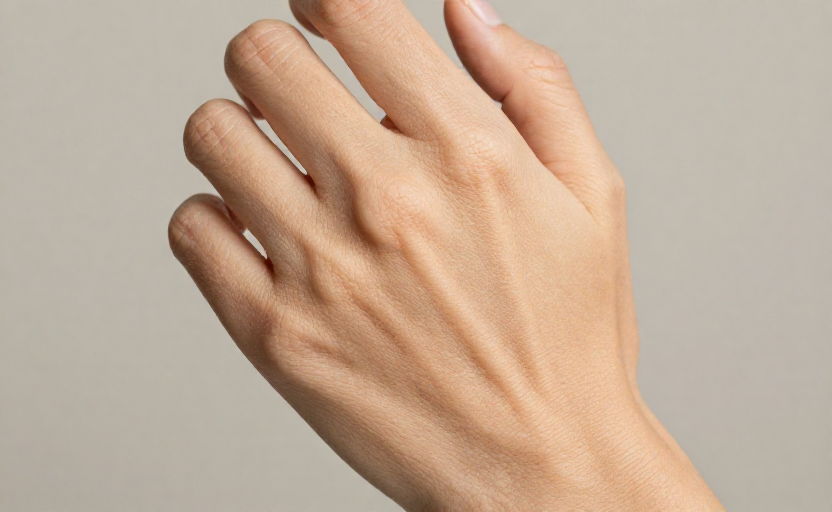
Crepey skin looks thin, wrinkled, and somewhat translucent—similar to a piece of crepe paper. This is different from the deeper wrinkles of aging. It usually develops on the inner arms, around the collarbone, and on the back of the hands. This texture is a direct consequence of severe collagen degradation caused by UVA rays, which penetrate deep into the dermis. When the supportive collagen mesh is destroyed, the skin loses its density and begins to sag and fold into fine lines. If you can pinch the skin on the back of your hand and it doesn't spring back immediately, your skin is telling you that UV damage has reached the deeper layers where structural integrity is maintained.
What You Can Do About It
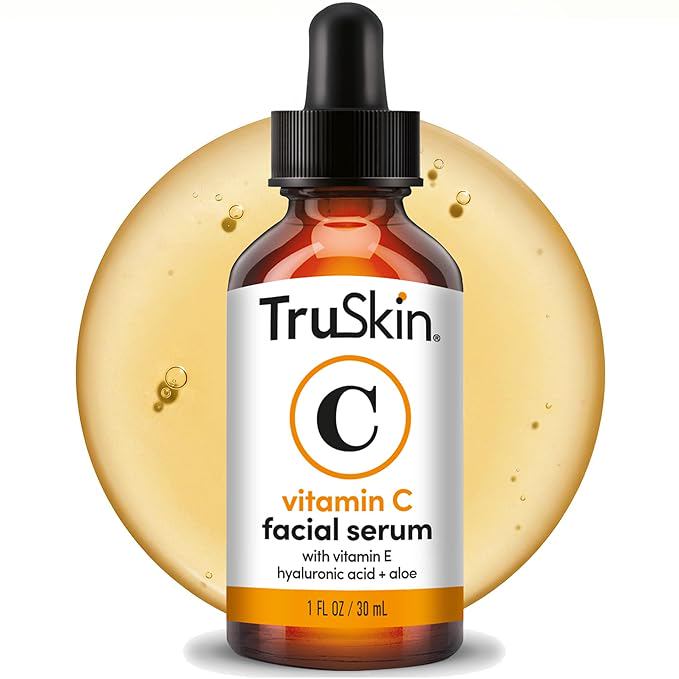
Recognizing these signs is not about panic; it is about taking control. The skin has a remarkable capacity to repair itself once you stop adding to the damage. The single most effective habit you can adopt is consistent, daily sun protection—not just on sunny days, but every day. Look for a broad-spectrum sunscreen with SPF 30 or higher and make it part of your morning routine. Reapplying is key if you are outdoors. For existing damage, dermatologists often recommend topical retinoids, antioxidants like vitamin C serums, or in-office treatments such as chemical peels or laser therapy. Always consult a board-certified dermatologist before starting any new treatment to address sun-related skin concerns. Your skin has a long memory, but with the right care, you can slow—and in some cases, partially reverse—the visible effects of aging caused by the sun.