
You've been diligent about sunscreen and you've added a vitamin C serum to your morning routine. Yet, those age spots—sometimes called liver spots or solar lentigines—still seem to be deepening in color rather than fading. It's frustrating, and it's also surprisingly common. The truth is, certain everyday habits in your skincare routine could be inadvertently turning up the contrast on hyperpigmentation.
Below, we break down the four most common skincare mistakes that can make age spots look darker, plus the simple swaps that can help you move toward a more even skin tone.
1. Skipping Sunscreen on Overcast Days or Indoors
If you only wear SPF when you're headed to the beach, your age spots have a green light to intensify. Sun exposure is the number one driver of melanin production. When UV rays hit unprotected skin, they stimulate the melanocytes to churn out more pigment, which essentially "refreshes" and darkens existing spots.
The mistake here isn't just missing a day at the park; it's the assumption that indoor light or cloudy skies offer protection. UVA rays penetrate glass and clouds with ease. If you sit near a window at work or drive during the day, those rays are reaching your skin.
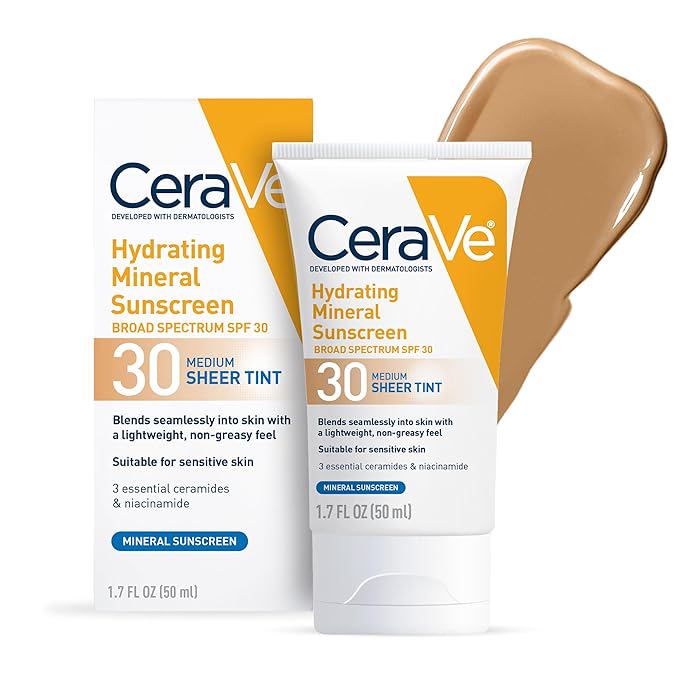
Better approach: Apply a broad-spectrum sunscreen with SPF 30 or higher every single morning as the final step of your routine. Reapply every two hours if you're out and about.
2. Using Harsh Scrubs or Over-Exfoliating
It's natural to think that scrubbing harder or more often will erase the dark spots faster. But aggressive physical scrubs—think walnut shells, sugar crystals, or gritty beads—can create microscopic tears in the skin's barrier. This triggers a low-grade inflammatory response, and inflammation is a known signal for melanocytes to go into overdrive.
Over-exfoliating with chemical exfoliants (like AHAs or BHAs) several times a day can have the same effect. When the skin barrier is compromised, it becomes more sensitive to UV light, making age spots more prone to darkening.
- Signs you are overdoing it: redness, stinging, a tight or shiny appearance, and breakouts in places you don't normally break out.
3. Piling on Bleaching Creams or High-Dose Actives Without a Plan
Many people reach for over-the-counter lightening creams, prescription-strength hydroquinone, or high-concentration serums with ingredients like kojic acid or tranexamic acid, hoping for a quick fix. But using these without guidance or without a proper base routine can backfire.
Some ingredients can cause something called "exogenous ochronosis" (a bluish-darkening of the skin) when used incorrectly. Others can thin the skin or cause rebound pigmentation—meaning the spot comes back darker than before once you stop using the product. The problem is rarely the ingredient itself; it's often the lack of a consistent support routine (sunscreen, moisturizer, patience).
What to do instead: Stick to one pigment-targeting ingredient at a time, and give it at least 8–12 weeks to show results. Always pair it with a solid sunscreen and a gentle moisturizer.
4. Neglecting Moisture and Barrier Repair
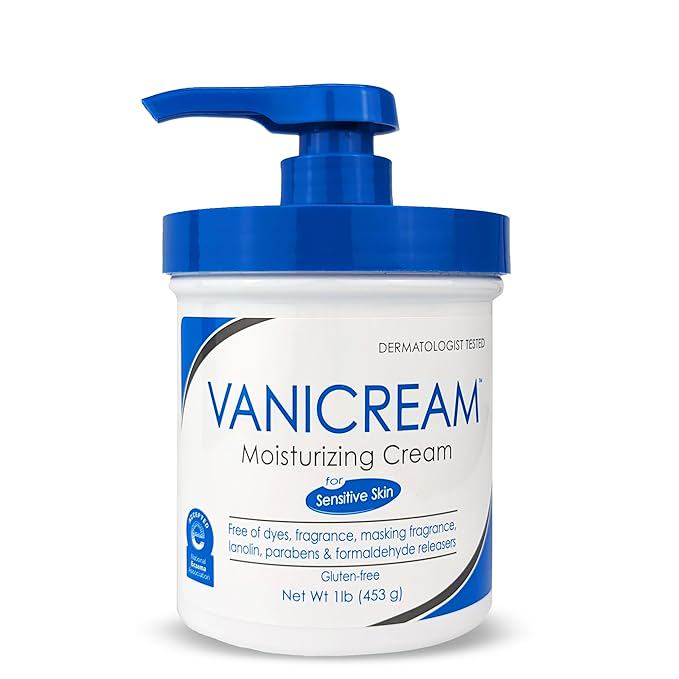
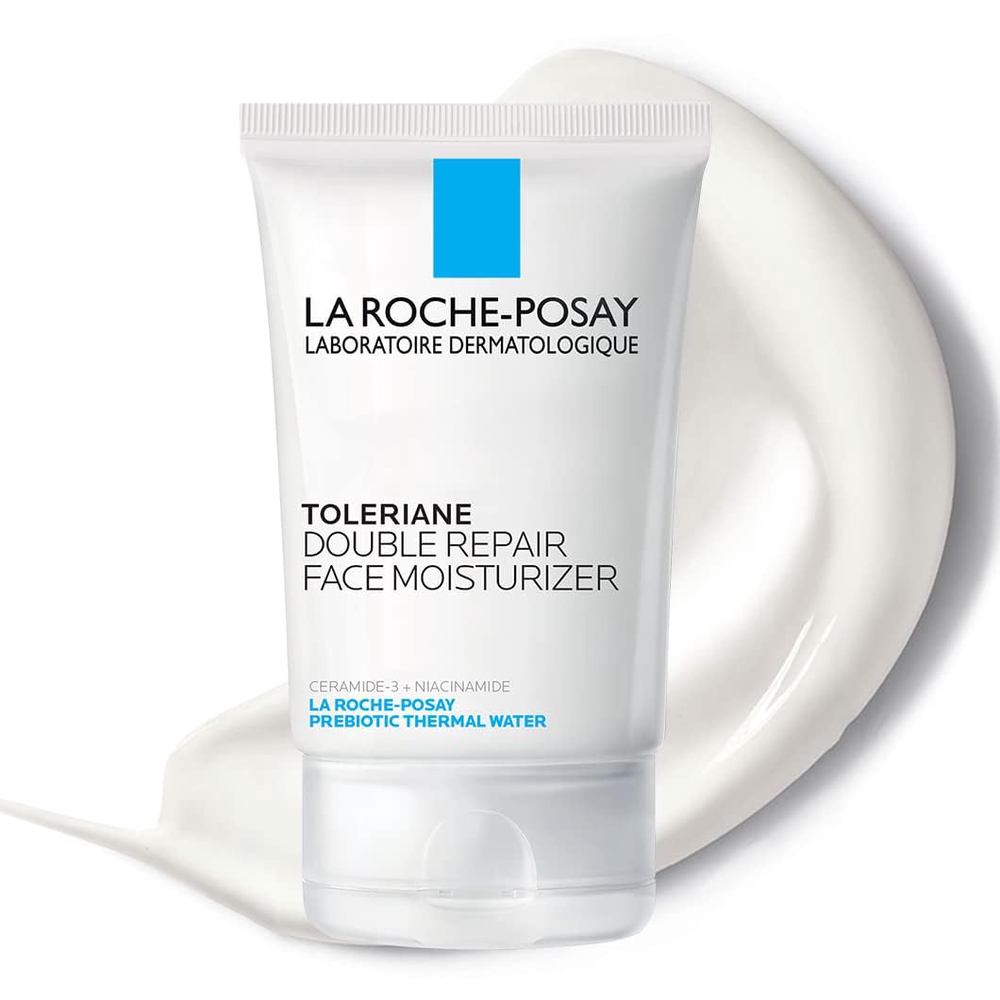
A dehydrated or compromised skin barrier cannot effectively regulate pigment production. When the skin is dry and tight, it sends out stress signals that can keep melanin production switched on. Many people focus only on active ingredients (vitamin C, retinol, niacinamide) and forget the simple step of sealing everything in with a good moisturizer.
Without proper hydration, the skin's natural repair and turnover processes slow down. Age spots that should fade gradually as skin cells renew themselves can linger much longer, appearing darker simply because the surrounding skin looks dull and cracked.
The good news is that these mistakes are easy to correct. A gentle, consistent routine that respects your skin barrier, combined with diligent sun protection, is the most effective—and safest—way to prevent age spots from darkening over time. If you are concerned about stubborn spots, a board-certified dermatologist can offer safe, professional treatments like laser therapy or chemical peels that are far more reliable than any DIY approach.