
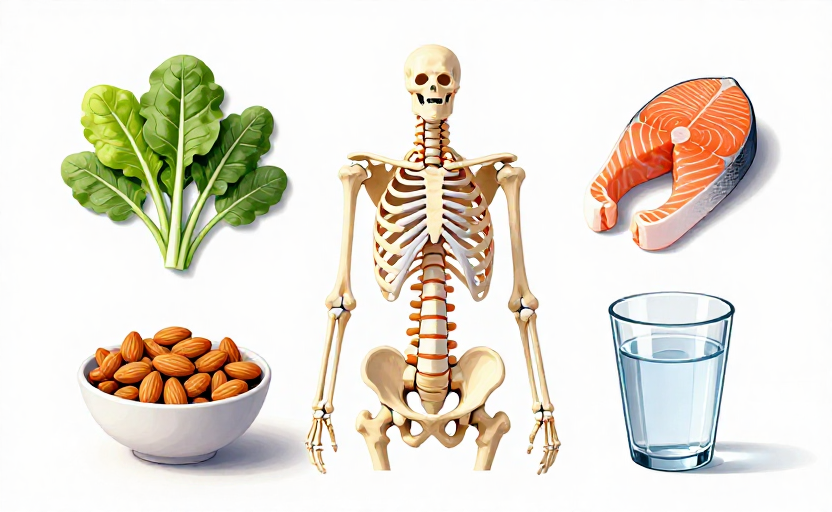
Most people think of posture as something you fix with exercises, stretches, or standing up straighter. But what you eat plays an equally important role in how your spine feels and functions day to day. Your vertebrae, discs, and supporting muscles rely on a steady supply of specific nutrients to stay resilient. When those nutrients are missing, your spine becomes more vulnerable to stiffness, inflammation, and gradual misalignment.
Below are four practical diet adjustments that can help you build a stronger foundation for better posture and long-term spinal health. These aren't extreme overhauls—just targeted shifts you can start making today.
1. Prioritize anti-inflammatory whole foods
Chronic low-grade inflammation is one of the biggest contributors to back pain and poor posture. When your joints and soft tissues are inflamed, it's harder to maintain proper alignment. Your body compensates by shifting weight in unnatural ways, which can pull your spine out of its neutral curve.
Focus on reducing processed foods, refined sugars, and excessive omega-6 vegetable oils (found in many fried foods and packaged snacks). Replace them with whole, anti-inflammatory options:
- Leafy greens like spinach, kale, and Swiss chard — rich in vitamin K and magnesium, both of which support bone density and muscle relaxation.
- Fatty fish such as salmon, mackerel, and sardines — excellent sources of omega-3 fatty acids that help lower inflammation in discs and joints.
- Colorful vegetables like bell peppers, broccoli, and carrots — packed with antioxidants that protect spinal tissues from oxidative stress.
- Berries — high in flavonoids that reduce inflammatory markers linked to back pain.
Even small daily swaps (like choosing berries over a sugary snack or adding a handful of spinach to your eggs) can make a noticeable difference in how your spine feels by the end of the day.
2. Get enough magnesium for muscle relaxation
Tight, spasming muscles are a major obstacle to good posture. If your lower back or shoulders feel chronically tense, low magnesium may be one reason. This mineral plays a direct role in neuromuscular signaling—when levels are adequate, muscles relax more easily after contracting. When they're low, muscles stay partially contracted, pulling on the skeleton and making it hard to maintain a neutral spine.
Good food sources include:
- Pumpkin seeds and almonds
- Black beans and edamame
- Dark chocolate (at least 70% cocoa)
- Avocados and bananas
Many adults run borderline low on magnesium because modern soils are depleted and typical diets skip these dense sources. If you find your neck and back feeling locked up by mid-afternoon, adding one magnesium-rich snack to your day (like a handful of almonds or a square of dark chocolate) is a simple way to support muscle pliability and better alignment.
3. Support your discs with bone-building nutrients
Your spinal discs act as shock absorbers between vertebrae. Over time, disc height naturally decreases, but diet can significantly influence how fast that happens. Two nutrients are especially important for disc integrity and the bones around them: vitamin D and vitamin K2.
Vitamin D is critical for calcium absorption. Without enough D, your body pulls calcium from your bones (including vertebrae), weakening the entire spinal column. You get some D from sun exposure, but many people in northern climates or indoor-heavy lifestyles fall short. Good dietary sources include fatty fish, egg yolks, and fortified dairy.
Vitamin K2 directs calcium where it belongs—into bone and teeth—and away from soft tissues like arteries and discs. This prevents calcium from hardening in the wrong places, which can stiffen your spine. K2 is found in:
- Natto (fermented soybeans)
- Hard cheeses
- Grass-fed butter
- Pastured egg yolks
Pairing these two nutrients in your meals (for example, a spinach salad with sardines and a sprinkle of hard cheese) gives your spine a steady supply of structural support.
4. Stay hydrated for disc height and flexibility
Your spinal discs are about 80% water. When you're dehydrated, those discs shrink slightly, reducing the space between vertebrae. This doesn't just make you feel stiff—it also makes it harder to maintain proper posture because your spine loses some of its natural cushioning and range of motion.
Hydration for spinal health goes beyond just drinking water. It also means eating water-rich foods and getting enough electrolytes so water actually gets into your tissues rather than passing straight through.
Practical tips:
- Drink water consistently throughout the day, not just when you feel thirsty. Aim for half your body weight in ounces as a baseline (e.g., 150 lbs = 75 oz per day, more if you exercise or sweat heavily).
- Include water-dense vegetables like cucumbers, celery, and zucchini in meals—they contribute to hydration while also providing anti-inflammatory compounds.
- Don't forget electrolytes. A pinch of sea salt in your water or a piece of fruit helps your body retain and use the fluid you drink, supporting disc hydration more effectively than plain water alone.
Small consistency tip: Keep a refillable bottle at your desk and take a few sips every 20–30 minutes. This steady intake is much better for spinal tissues than gulping large amounts at once.
Improving your posture doesn't require a complete diet overhaul. These four adjustments—eating anti-inflammatory foods, getting enough magnesium, supporting your discs with vitamins D and K2, and staying hydrated—work together to create a body that naturally holds itself in better alignment. Start with one or two changes you can realistically maintain, then build from there. Your spine will thank you.