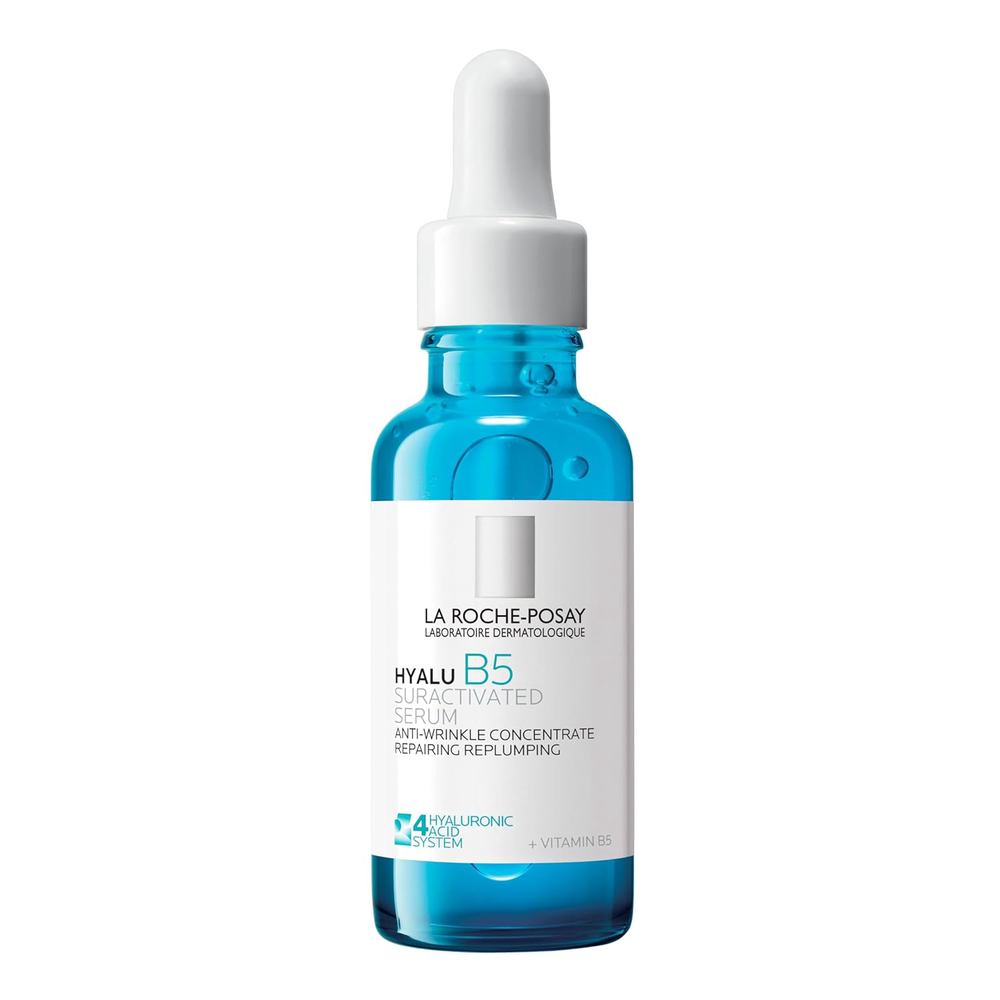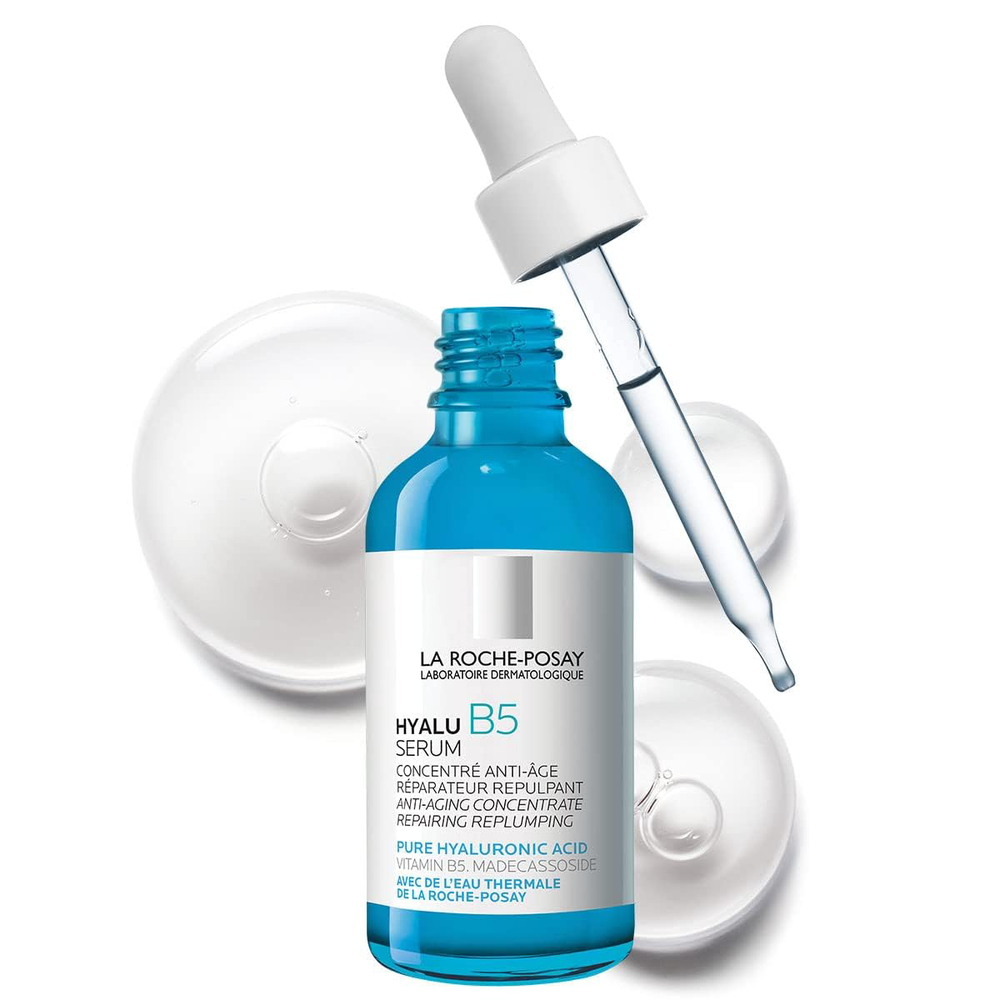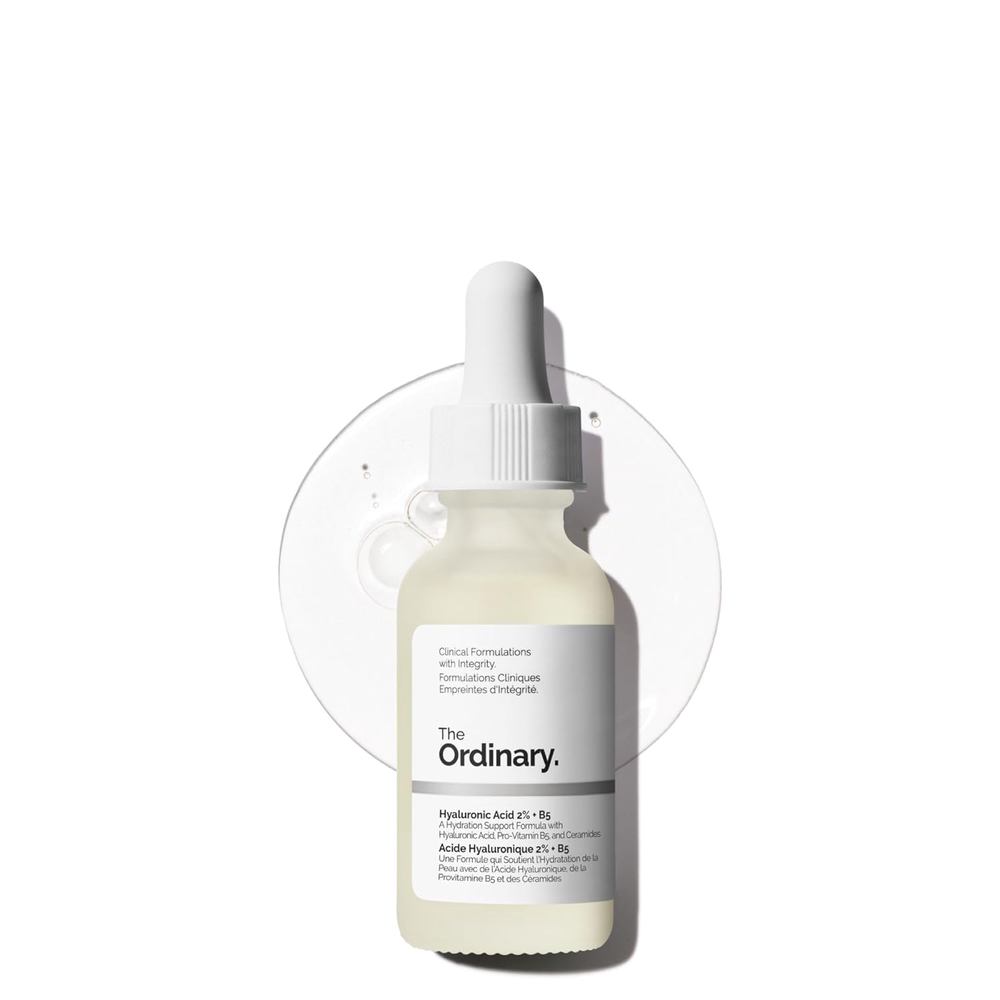

You picked a serum because you wanted your skin to look smoother, calmer, or brighter. But lately, your face feels tight, looks flaky, or stings when you apply moisturizer. If that sounds familiar, the very product you're relying on could be the culprit. Serums are powerful, but when your skin is already dry, the wrong formula—or the wrong routine—can strip moisture instead of adding it. Here are four clear signs your serum routine may be working against you, not for you.
1. Your skin feels tight or stings after applying the serum
A slight cooling sensation is normal. Stinging, burning, or a feeling that your skin has shrunk two sizes is not. That sensation usually means your skin barrier is compromised. When the barrier is weak, ingredients that are normally tolerable—like certain botanical extracts or low percentages of active acids—can penetrate too deeply and irritate nerve endings.
If you notice this tightness or sting within minutes of applying your serum, pause and look at the ingredient list. Common culprits include denatured alcohol (often listed as Alcohol Denat.), witch hazel, citrus essential oils, or high concentrations of AHAs and BHAs. For dry or sensitive skin, even a "clean" ingredient like vitamin C in L-ascorbic acid form can cause discomfort if the formula lacks buffering agents or hydrating co-solvents.
What you can do: Switch to a serum that is alcohol-free and formulated for barrier support. Look for ingredients like glycerin, ceramides, squalane, or panthenol high on the ingredient list. If you want to keep using an active serum, try applying it over a damp face or after a thin layer of hydrating toner—not on bare, just-washed skin.
2. Your skin looks flaky but feels greasy at the same time
Flakes on the skin usually scream dehydration, but sometimes they are a sign of product overload. If your serum is rich in silicone oils or very heavy emollients, it can sit on top of dead skin cells, creating a smooth illusion for an hour or two before the flakes start peeking through. You might think you need more moisture, when in fact your skin is unable to shed old cells properly because the occlusives in the serum are sealing everything in—including buildup.
This is especially common with serums that contain a high concentration of dimethicone or hydrogenated oils without enough humectants underneath. The result is a tight, patchy texture: greasy to the touch in some areas but visibly dry and flaky in others.
What you can do: Try a two-layer approach. Use a water-based hydrating serum first—something with hyaluronic acid or sodium PCA—and give it a minute to sink in. Then apply a very lightweight moisturizer. Avoid serums that rely heavily on silicones as the second or third ingredient. If you already own a thick serum, try mixing one pump with your moisturizer before applying.
3. You see red patches or tiny bumps where you apply the serum
Irritation can show up as diffuse redness, small raised bumps that look like rash but feel like sandpaper, or even perioral dermatitis around the mouth and nose. This is your skin's immune system signaling that it perceives the serum as a threat. It doesn't have to be an allergic reaction; it can be the cumulative effect of a strong ingredient that your skin simply cannot handle every day.
Retinoid-based serums are the most common offenders here, especially when used too frequently or in too high a concentration. But niacinamide can also cause flushing in some people, and vitamin C in certain pH ranges can cause a temporary stinging rash. If the bumps or redness appear within a day or two of starting a new serum and fade when you stop using it, the product is the likely trigger.
One caveat: That sandpaper-like texture, called retinoid uglies, often improves after a few weeks of consistent use in people who can tolerate it. But if your skin is dry and the texture lasts beyond four weeks, it is not going to get better—you need a gentler formula.
What you can do: Strip down to basics—cleanser, moisturizer, and nothing else—for three to five days, until the redness or bumps settle. Then reintroduce your active serum no more than three times per week. If the irritation returns, the ingredient concentration or delivery system is wrong for your skin type.
4. Your moisturizer stops feeling like enough
If you have been layering the same rich moisturizer over your serum for months and suddenly your skin feels dry by midday, look at the serum first. Some ingredients can reduce the efficacy of your moisturizer over time. For example, exfoliating serums (with salicylic or glycolic acid) alter the pH of the skin surface, making it temporarily harder for heavier creams to absorb. The same goes for clay-based serums that absorb excess oil; on dry skin, they can leave a barrier that blocks moisturizer from doing its job.
Another scenario: Your serum contains a high percentage of glycerin or hyaluronic acid without a sealing layer. Humectants draw moisture from the air into the skin, but in a very dry environment—or if you apply them onto a completely dry face—they can pull water from the deeper layers of the skin into the outer layer, causing a temporary plump that fades into dehydration an hour later. This is not a sign to stop using humectants; it is a sign to use them correctly.
What you can do: Apply humectant serums on damp skin (right after washing, while the face is still misted with water or toner). Then always seal them with a moisturizer that contains at least one occlusive ingredient (like shea butter, jojoba oil, or petrolatum). If your serum is exfoliating, give it 10–15 minutes to sink in before applying your moisturizer, so the ingredients don't interfere with each other.
When to see a dermatologist
If you have adjusted your application method, switched to gentler serums, and simplified your routine, but your skin remains red, painful, or persistently flaking, it is time for a professional evaluation. Chronic dry skin can also be a sign of underlying conditions like seborrheic dermatitis, eczema, or rosacea, which require targeted treatment rather than just product swapping. A board-certified dermatologist can help you differentiate between a bad reaction to a serum and an actual skin disease.