
You close your eyes for what feels like a quick power nap, but when you wake up, you feel worse than before. Your head is heavy, your thinking is foggy, and you almost regret lying down. That thick, disoriented sensation has a name: sleep inertia. It is the groggy state that occurs when you wake up from certain stages of sleep, and it can sabotage the very reason you napped in the first place.
Not every nap is restorative. In fact, if you are experiencing these four specific signs, your mid-day rest might be working against you.
1. You Wake Up With a Throbbing Headache
A headache is one of the most direct physical clues that your nap disrupted your system. This can happen for a few reasons. If you slept longer than your body needed, you may have slipped into deep slow-wave sleep. Waking from that stage can cause vascular changes in the brain, leading to a dull, pressing headache. Another possibility is that you disturbed your natural caffeine rhythm — falling asleep right after your morning coffee or waking up right when your body expected its usual afternoon dose can trigger a withdrawal-type headache.
If you consistently wake up with head pain after a nap, pay attention to the timing. The ideal nap window for most people is early in the afternoon, around 1:00 to 3:00 PM, when your body’s circadian rhythm naturally dips. Sleeping too late in the day can also interfere with nighttime sleep and create a cycle of poor rest and daytime headaches.
2. You Feel More Irritable or Emotionally Off After Waking
Have you ever snapped at someone shortly after waking up from a nap? That short fuse is not just bad luck. Sleep inertia can leave your prefrontal cortex — the part of your brain that manages emotional control and decision-making — in a sluggish state. When you wake up mid-cycle, especially from deep non-REM sleep, your brain has not fully transitioned back to alertness. You are essentially operating with a partial reboot.
A short temper post-nap is a clear red flag that you woke up at the wrong moment. Your brain needs time to clear adenosine, a chemical that builds up during sleep and contributes to that heavy, groggy feeling.
If being woken by an alarm or an interruption leaves you feeling angry or weepy, your nap was likely too long or poorly timed. A well-timed nap should leave you feeling calm and mentally clearer, not emotionally raw.
3. Your Body Feels Heavy and You Struggle to Move
This is the classic "nap hangover." Your limbs feel like lead, your eyes are heavy, and the simple act of sitting up takes real effort. This sensation is characteristic of waking from the deepest stage of sleep, known as slow-wave or N3 sleep. Your muscles are deeply relaxed, and your brain is not yet producing the neurotransmitters needed for coordinated movement and alertness.
Short naps — typically 10 to 20 minutes — are designed to keep you in the lighter stages of sleep, making this heaviness much less likely. If you routinely feel physically weighted down after napping, you are sleeping too long or you have an underlying sleep debt. Studies suggest that people who are already sleep-deprived are more prone to deep sleep during naps, paradoxically making them feel groggier afterward.
4. You Cannot Think Clearly for 30 Minutes or More
Brain fog after a nap is common, but it should not last for half an hour or longer. That prolonged mental haze is a clear sign that you experienced significant sleep inertia. Your cognitive functions — memory recall, reaction time, and concentration — take a hit when you wake from deep sleep. For some people, this fog can last up to an hour.
The key difference between a helpful nap and a harmful one is how quickly you bounce back. A good power nap may leave you feeling slightly fuzzy for the first few minutes, but you should feel sharper and more focused within five to ten minutes. If you find yourself staring at your screen, unable to form a coherent thought well past that window, your nap strategy needs adjustment.
How to Fix a Groggy Nap
If any of these signs sound familiar, you do not need to give up napping entirely. You just need to refine your approach. The most effective naps are short, early, and intentional. Aim for 10 to 20 minutes, set a timer, and try to nap before 3:00 PM. If you need a longer rest, consider a full 90-minute cycle that allows your body to complete a full sleep cycle naturally, rather than waking you mid-way through deep sleep.
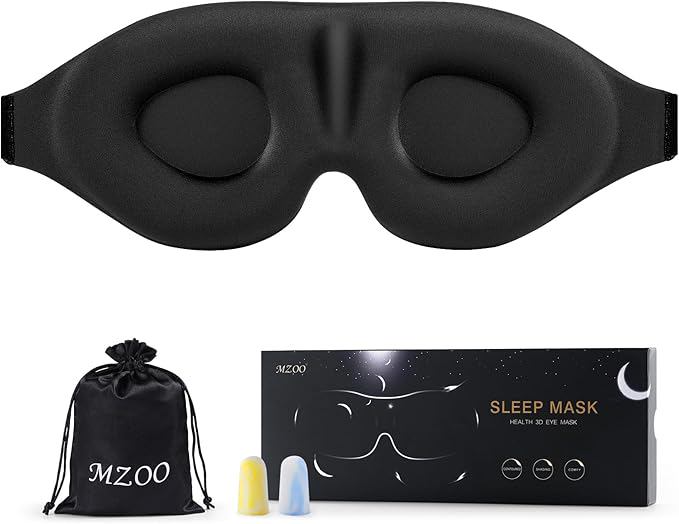
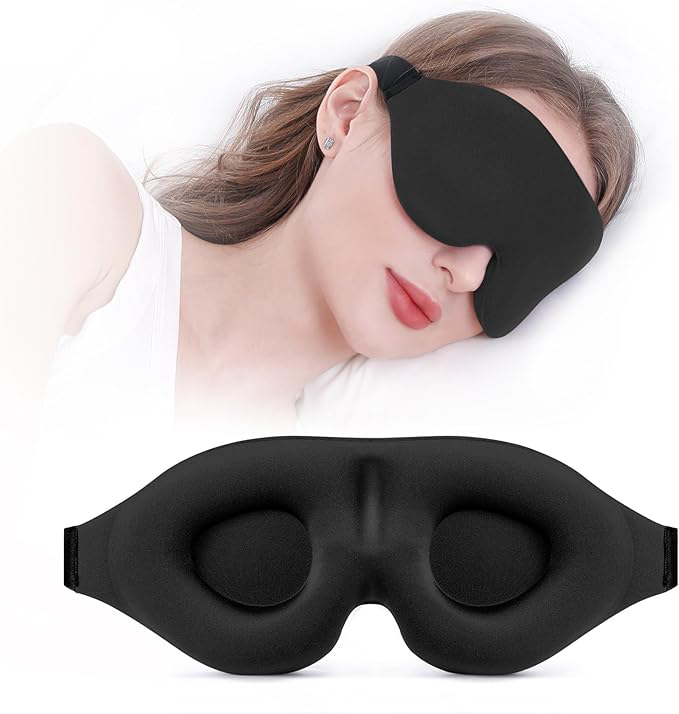
Environment also matters. A dark, quiet, and cool room helps you fall asleep faster and reduces the likelihood of drifting into a deeper stage than intended. Caffeine naps — drinking a small amount of coffee right before a very short nap — can also work for some people, as the caffeine takes about 20 minutes to kick in, hitting your system just as you wake.
Listen to your body. If naps consistently leave you groggy, it is worth examining your overall sleep quality at night. Chronic daytime grogginess after napping can be a sign of an underlying sleep disorder, such as sleep apnea. If adjusting your nap duration and timing does not help, a conversation with a healthcare provider is a reasonable next step.
A nap is meant to be a reset, not a setback. When done right, it can boost alertness, improve mood, and sharpen performance. When done wrong, it leaves you fighting a fog that lingers for hours. Pay attention to these four signs, and you will know the difference.