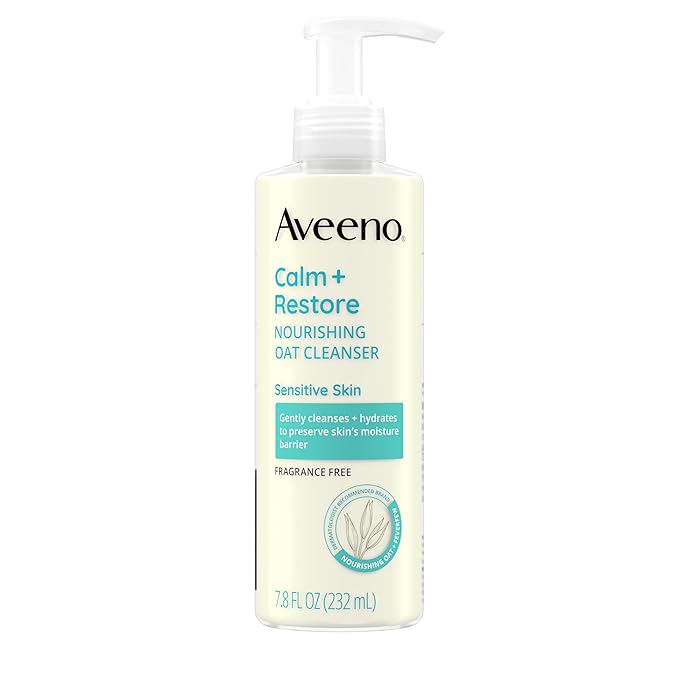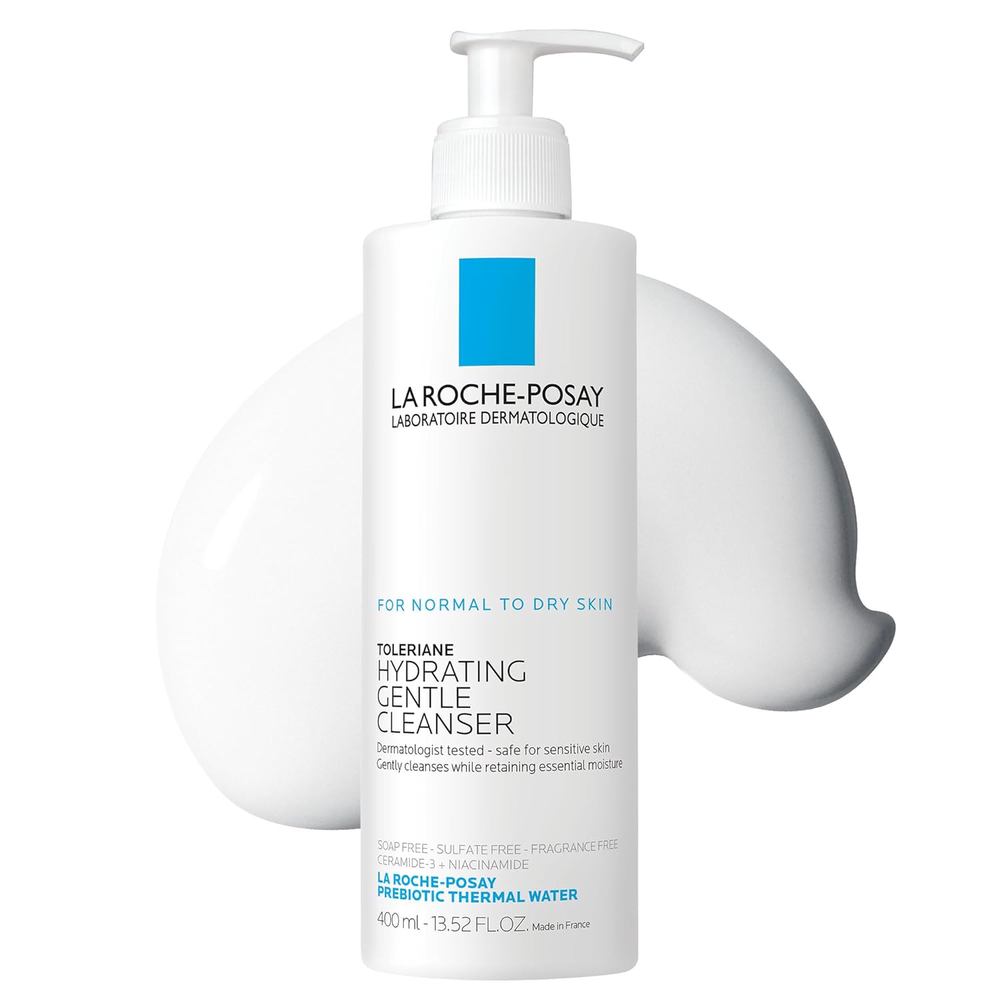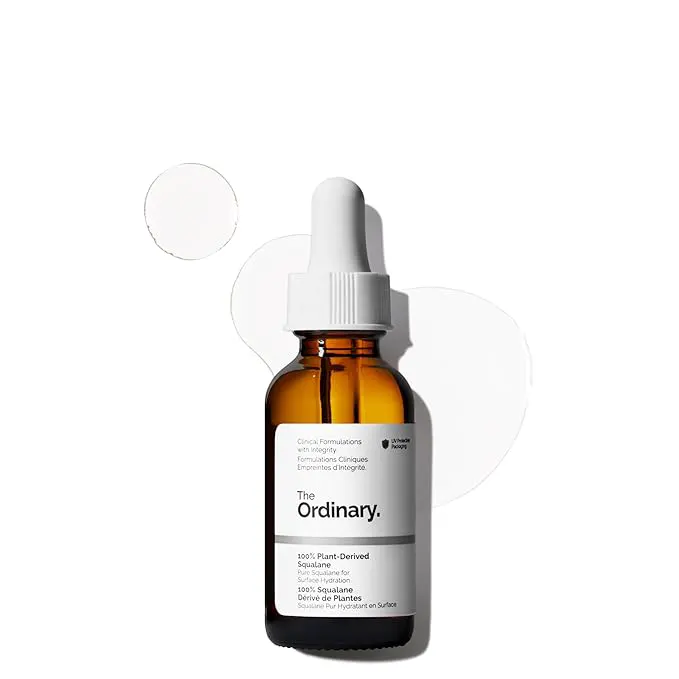

You wash your face every night. Sometimes twice a day. You follow the steps—cleanser, maybe a scrub, maybe a second cleanser. But lately your skin feels tight, looks dull, or flakes in patches. What you might be doing is stripping away the very moisture your skin needs to stay healthy and resilient.
A well-intentioned cleansing routine can backfire when the products or methods are too harsh for your skin type. Here are four clear signs that your cleansing routine may be working against you, along with simple adjustments to restore balance.
1. Your skin feels tight and uncomfortable right after washing
That clean, squeaky feeling many of us were taught to aim for is actually a red flag. When your skin feels tight or stiff right after you pat it dry, it means the cleansing product has removed too much of your skin’s natural oil barrier. This barrier, made of lipids and ceramides, normally holds water in and keeps irritants out.
If you notice this sensation regularly, especially before you apply any other products, your cleanser likely contains high levels of sulfates (like sodium lauryl sulfate or sodium laureth sulfate) or other strong surfactants. Consider switching to a gentle, sulfate-free cleanser formulated for your skin type—cream or milk cleansers work well for dry or sensitive skin, while gel or foam cleansers with mild surfactants can suit combination or oily skin without over-stripping.
Tip: A good test is to wait five minutes after cleansing before applying moisturizer. If your skin still feels tight, your cleanser is too harsh.
2. Your skin looks dull, flaky, or rough
Flaking and roughness after cleansing often signal that the skin’s moisture barrier has been compromised. When this barrier is damaged, the outermost layer of skin loses its ability to hold water. The result is visible dryness, fine-textured flakes, and a lack of the natural glow that comes from plumped, hydrated cells.
This sign is especially common among people who use foaming cleansers multiple times a day or who follow cleansing with alcohol-based toners or astringents. Exfoliating too often—even with gentle scrubs or chemical exfoliants—can also contribute. If your skin looks sallow or feels papery despite regular cleansing, reduce the frequency of exfoliation to once or twice a week and use a hydrating toner or essence immediately after cleansing to replenish moisture.
3. You develop new redness, irritation, or breakouts
It sounds counterintuitive, but stripping your skin can actually trigger breakouts. When the protective barrier is weakened, the skin can become inflamed and produce more oil to compensate. This excess oil, combined with dead skin cells that aren't shed properly due to barrier damage, can clog pores and lead to acne-like breakouts.
Redness and stinging after cleansing are also telltale signs. They may point to an ingredient your skin doesn't tolerate, such as fragrance, essential oils, or a high concentration of acids. If you notice small red bumps, persistent blotchiness, or a stinging sensation even after rinsing, switch to a non-foaming, fragrance-free cleanser with calming ingredients like niacinamide, panthenol, or allantoin. Give your skin at least two weeks on the new routine before judging results.
4. Your moisturizer doesn't seem to absorb well
Have you ever layered on moisturizer only to feel like it just sits on top of your skin, leaving it greasy but still thirsty? This is a classic sign of an impaired moisture barrier. Healthy skin absorbs and holds onto moisture like a sponge. When that sponge is stripped of its natural structure, it loses its ability to hold water, and products just slide off or feel tacky without providing real hydration.
If your moisturizer isn’t sinking in, it may be because your cleanser is damaging the skin’s surface so badly that it cannot bind with hydrating ingredients. Try a “skin cycling” approach: on nights you don’t use active ingredients (like retinoids or acids), use a gentler cleanser and then apply a barrier-repair moisturizer containing ceramides, fatty acids, or squalane. Within a few days of this gentler approach, you should notice your moisturizer absorbing more easily and your skin feeling calmer.
How to fix a stripping cleansing routine
If any of the signs above sound familiar, you don’t need to overhaul your entire skincare cabinet overnight. Start with one change: replace your current cleanser with a hydrating, sulfate-free option. Limit cleansing to twice a day—or just once in the evening if your skin is very dry. Rinse with lukewarm water, not hot, and pat your skin dry rather than rubbing. After a week, reassess. Your skin should feel comfortable, not tight. A healthy complexion starts with a clean, but not stripped, canvas.