
You grab a snack around 3 p.m., eat it at your desk, and promise yourself it will hold you over. But an hour later, your stomach is growling, your energy is dipping, and dinner feels impossibly far away. That snack may have tasted good, but it did not deliver real staying power. Here are the four signs that your afternoon snack is falling short—and what to reach for instead.
You feel hungry again within an hour
The most obvious clue is the timing. If you eat a snack and feel genuinely hungry before 60 minutes have passed, the snack likely lacked enough protein, fiber, or healthy fat to slow digestion and stabilize blood sugar. Snacks built mostly on refined carbohydrates—crackers, pretzels, sugary granola bars, or juice-sweetened fruit snacks—enter the bloodstream quickly, spike your glucose, and then crash, leaving you hungry and irritable.
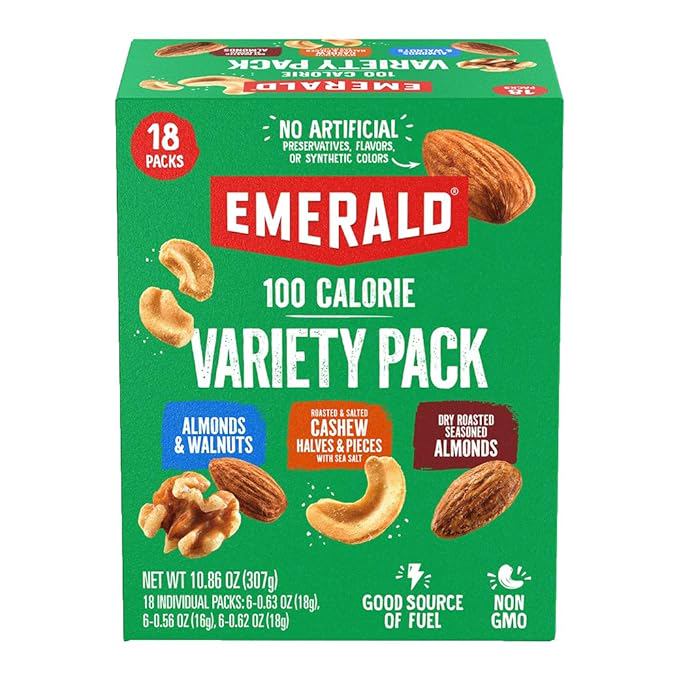
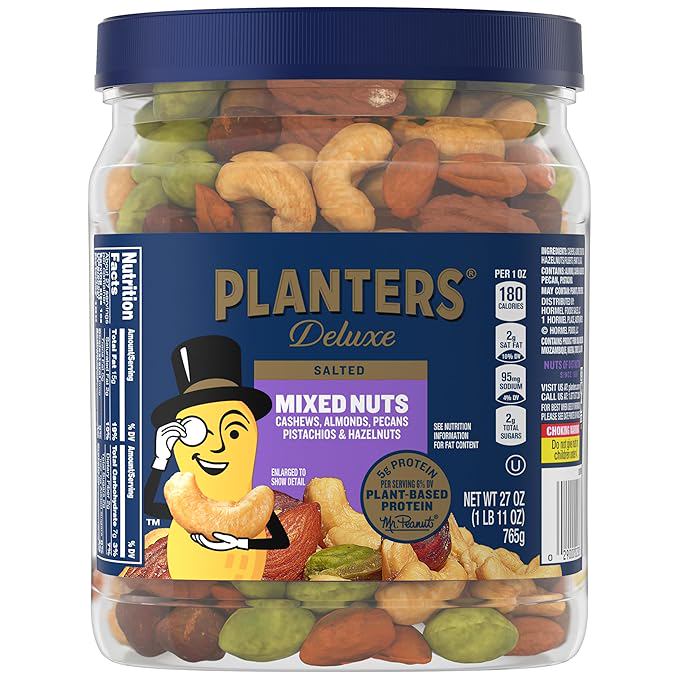
A snack that truly holds you over should provide a mix of nutrients: some protein (nuts, yogurt, or chickpeas), some fiber (fruit, vegetables, or whole grains), and a little fat (avocado, seeds, or a drizzle of nut butter). This combination takes longer to break down and keeps your energy even until your next meal.
You experience an energy slump after snacking
It does not make sense on the surface—you just ate, so you should feel energized. But if your snack sends your blood sugar on a roller coaster, the aftermath is fatigue. A few minutes after eating something sugary or starchy on its own, your body releases a surge of insulin to bring your blood sugar down. That overcorrection can make you feel sluggish, foggy, and ready for a nap. This is a sign that your snack lacked protein, fat, or a complex carbohydrate source.
Think of protein and fiber as the brakes on your blood sugar spike. Without them, you get the ride—but not the stability.
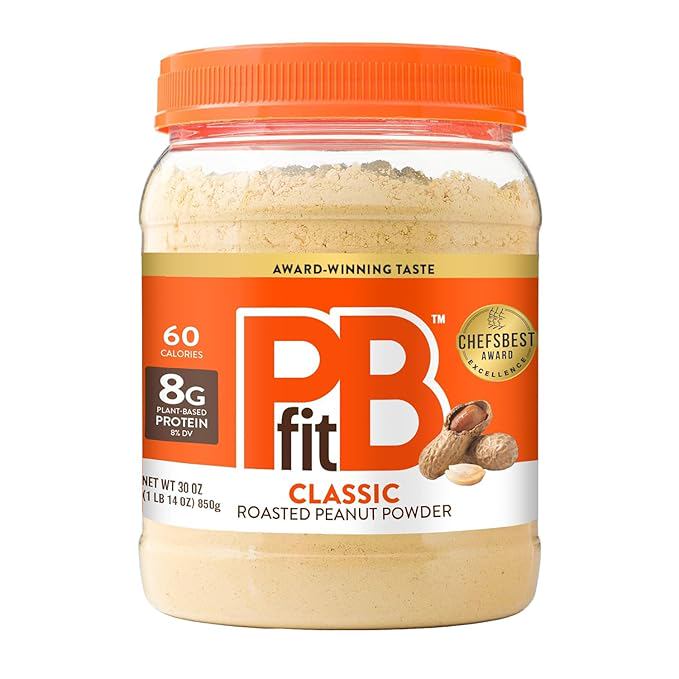
Better choices include apple slices with a tablespoon of peanut butter, Greek yogurt with a handful of berries, or roasted chickpeas. These snacks contain enough structural nutrients to release energy slowly.
You start craving sweets or salty foods soon after
Cravings are rarely a sign of willpower failure—they often signal that your body did not get what it needed from the last thing you ate. If you finish your snack and immediately start thinking about chocolate, chips, or something else entirely, the snack probably did not satisfy your body's need for satiety. Once again, the issue is usually a lack of protein or fiber. When blood sugar drops after a carb-heavy snack, your body may signal a hunger for more energy—often in the form of simple sugars or salty processed foods.
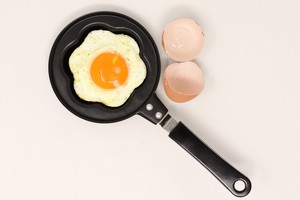
This cycle can make it difficult to eat a balanced dinner, because you arrive at the table already fighting cravings rather than feeling neutral or moderately hungry. A snack with 10 to 15 grams of protein—an ounce of almonds, a hard-boiled egg, or half a cup of cottage cheese—can break that pattern.
You are distracted or irritable by late afternoon
By 5 p.m., if you notice that you are snapping at coworkers, losing focus, or making careless mistakes, your snack may be to blame. The brain runs on glucose, but it prefers a steady supply, not a flood-and-drought pattern. A snack that does not sustain you will leave your mental energy depleted just when you need to finish your workday or make dinner decisions.
This kind of irritability is your body's way of saying that its fuel tank is running empty sooner than expected. Pairing a carbohydrate with protein or fat helps keep blood sugar levels consistent, which supports both mood and concentration through the afternoon.
How to choose a snack that lasts
Look for snacks that combine at least two of the three satiety pillars: protein, fiber, and healthy fat. Some practical examples include an apple with almond butter, a small handful of nuts and a piece of fruit, plain yogurt with a sprinkle of chia seeds, or a portion of hummus with raw vegetables. Even a simple combination—like a cheese stick with a few whole-grain crackers—can outperform a larger but nutrient-poor snack.
If you are someone who needs a snack every afternoon, take a moment to check in with the signs above. If any of them ring true, try upgrading your snack rather than eliminating it. The goal is not to eat less, but to eat in a way that carries you comfortably from lunch to dinner without the mid-afternoon crash.