
Your cheeks are often the first place to show the telltale signs of lost firmness. That subtle droop or hollowing isn’t just about getting older—it is often accelerated by everyday habits you might not even think twice about. The good news is that skin elasticity loss around the cheeks is not a one-way street, and small adjustments to your routine can make a real difference in how supported and lifted your skin looks.
Let’s walk through four common but correctable mistakes that may be working against your cheek area, and what to do instead to preserve a more youthful, buoyant appearance.
1. Sleeping with your face pressed into the pillow night after night
If you wake up with temporary creases across your cheek that take a while to fade, that is your skin telling you something. Over time, repetitive compression from sleeping on your side or stomach can stretch the elastin fibers in your cheeks. Think of it like folding a piece of paper in the same spot over and over—eventually, the crease becomes permanent.
Switching to a silk or satin pillowcase helps reduce friction, but the better long-term move is training yourself to sleep on your back (supine position). If that feels impossible, try placing a small rolled towel on either side of your body as a gentle reminder not to roll over.
2. Over-cleansing and stripping the skin’s natural barrier
Many people wash their face twice a day—sometimes more—using foaming cleansers that leave the skin feeling tight and “squeaky clean.” That tightness is actually a red flag: it means your natural oils and protective barrier have been stripped away. When the barrier is compromised, the skin loses water faster, and dehydrated skin is less resilient. Over months and years, this dehydration contributes to laxity, especially in the cheek area where the underlying structural support is more delicate.
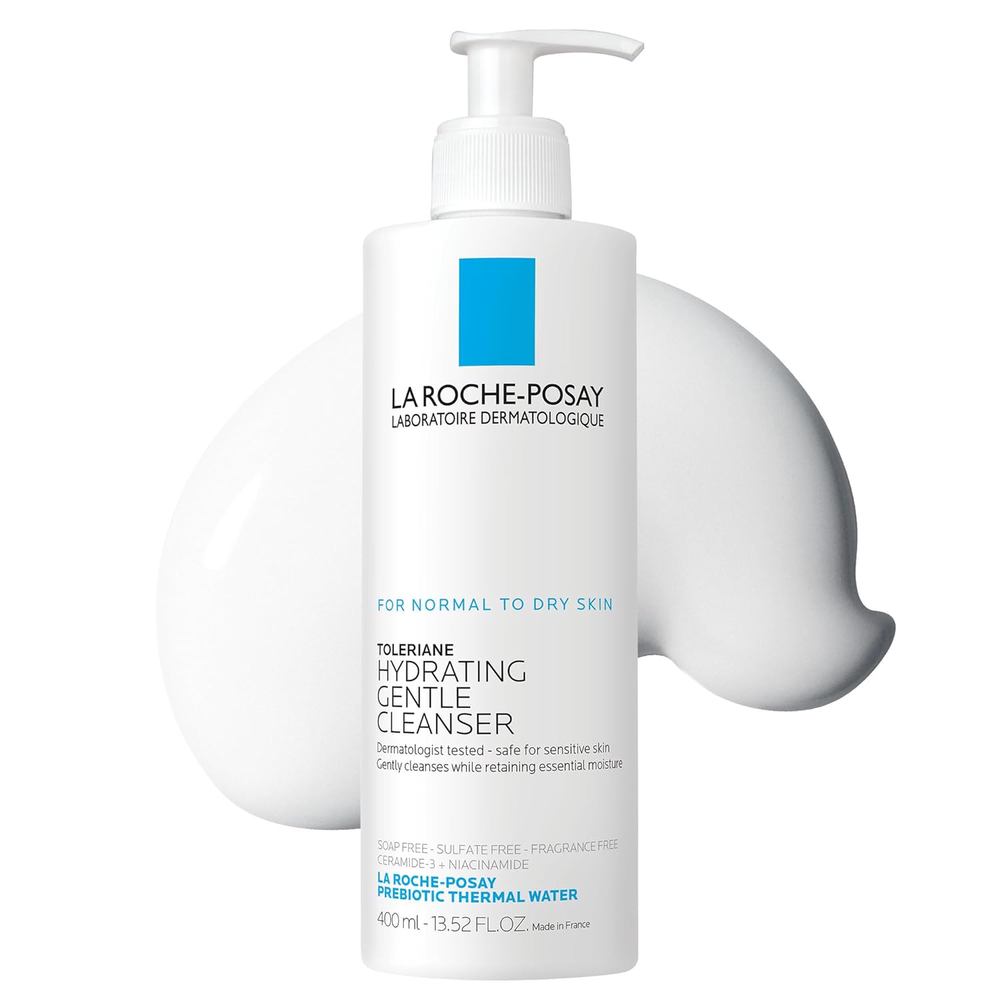
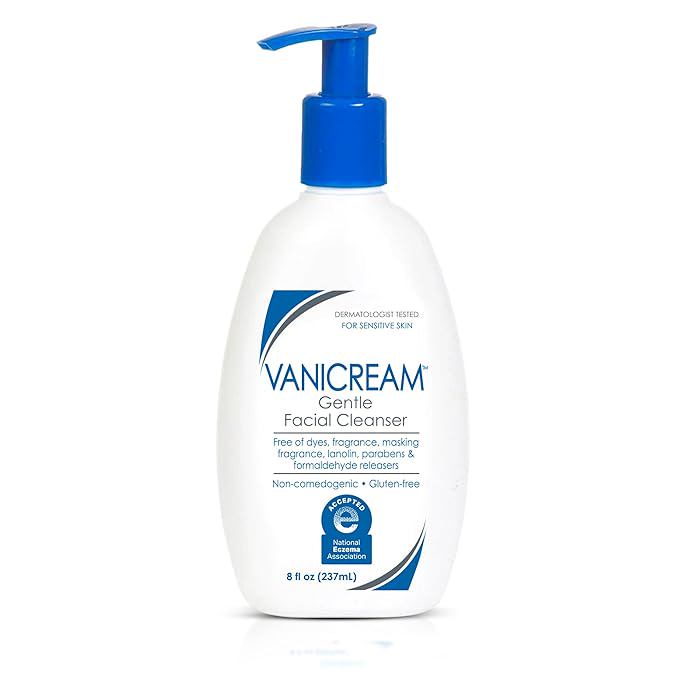
Switch to a gentle, cream-based or low-pH cleanser that does not foam aggressively. Pay attention to how your skin feels after washing. If it feels taught before you apply moisturizer, your cleanser is likely too harsh.
3. Relying on high-glycemic snacks for quick energy
What you eat shows up in your skin’s structural proteins. A diet high in refined sugars and simple carbohydrates—think white bread, pastries, sugary drinks, and candy—can trigger a process called glycation. In short, sugar molecules bind to collagen and elastin fibers, making them stiff and brittle. This directly undermines the bounce and resilience of your cheek skin.
This does not mean you need to cut out all treats. But being mindful of daily sources of added sugar can help. Swapping a mid-afternoon soda for sparkling water with a squeeze of lemon, or choosing a handful of almonds over a granola bar, can reduce your glycation load without making you feel deprived.
4. Skipping the jawline and cheek muscles in your skincare routine
Most people apply moisturizer and serum with upward strokes to the forehead and outward strokes across the forehead and eyes, but often rush past the lower face and cheeks. The cheek area actually benefits from gentle, targeted massage to support lymphatic drainage and microcirculation. Tissues that receive good blood flow are better nourished and more elastic.
You do not need a special tool—your fingertips are enough. Twice a day when applying your moisturizer or facial oil, take an extra thirty seconds to use a gentle, upward-and-outward motion along the cheekbones, moving from the nose toward the temples. Then, use your knuckles to make small circles along the jawline. Over time, this simple habit can help improve the tone and plumpness of the cheek area.
A note on patience: skin remodeling takes time. The benefits of better sleep positioning, gentler cleansing, lower sugar intake, and regular facial massage typically become visible after several weeks to a few months of consistent practice.
Beyond avoiding these four mistakes, supporting your skin from the inside with adequate water intake, a balanced diet full of colorful vegetables and lean protein, and daily sun protection (yes, even in the car or by the window) will create the best environment for your skin to maintain its natural firmness. If you are considering more intensive treatments, consulting a dermatologist or licensed aesthetic professional can give you options tailored to your skin’s specific needs.