
You might not connect what's on your plate at midday with what's happening to your hair, but the link is stronger than most people realize. A dry scalp already lacks the moisture barrier needed to keep strands flexible and strong. When certain lunch habits come into play repeatedly, they can worsen that dryness and lead to noticeable breakage. The good news is that once you spot these patterns, small swaps can make a real difference for your hair.
Relying on salty, processed foods
A sandwich from a deli, a bag of chips, or a pre-packaged salad bowl might seem harmless, but many of these options are loaded with sodium. Excess salt in your system can pull water away from your cells, including those in your scalp. When your scalp becomes dehydrated, the hair shaft can turn brittle and more prone to snapping. Processed foods also tend to be low in the vitamins and minerals that support keratin production. Instead, try choosing whole-food options like grilled chicken, fresh vegetables, or a grain bowl with minimal added salt.
Skipping protein at midday
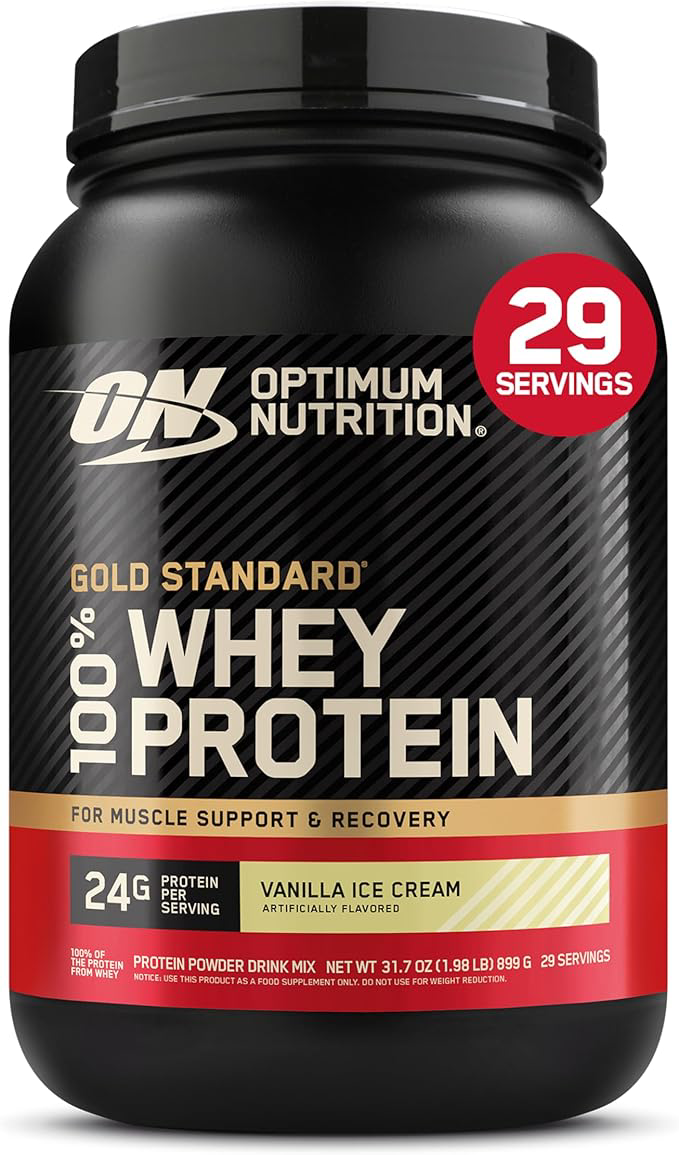
Hair is made almost entirely of a protein called keratin. If your lunch is mostly carbs — a wrap with just veggies, a plate of pasta, or a simple salad without a protein source — your body may not have the building blocks it needs to maintain strong strands. Over time, inadequate protein intake can lead to thinning and increased breakage, especially if your scalp is already dry. Adding a serving of lean meat, eggs, tofu, legumes, or Greek yogurt to your lunch can give your hair the structural support it requires.
Drinking coffee or soda instead of water
Many people reach for a second cup of coffee or a sugary soda to get through the afternoon slump. Both caffeine and sugar can have a diuretic effect, encouraging your body to flush out fluids. When you consistently replace water with dehydrating beverages, your scalp may not get enough hydration to keep the skin supple and the hair follicles functioning well. A dry scalp often flakes and itches, and the friction from scratching can lead to broken hairs. Keeping a water bottle on your desk and sipping regularly throughout the day is a simple way to counter this.
Eating too few healthy fats
Healthy fats play a crucial role in maintaining the scalp's natural oil barrier. If your lunch is fat-free or very low in oil — say, a plain salad with fat-free dressing or a rice cake with a thin spread — your scalp may struggle to produce enough sebum. Sebum helps to coat each strand, reducing friction and preventing moisture loss. Without adequate fats, hair can become dry, dull, and fragile. Including foods like avocado, nuts, seeds, olive oil, or fatty fish in your lunch can help maintain that protective layer.
Small lunchtime adjustments — more protein, more water, more healthy fats, and fewer salty or dehydrating options — can gradually improve the condition of a dry scalp and reduce hair breakage.
Putting it into practice
You don't need to overhaul your entire diet overnight. Try swapping one habit at a time. Replace chips with a handful of almonds, add a hard-boiled egg to your salad, or drink a glass of water before your afternoon coffee. Consistent small changes can support your scalp health without making lunch feel like a chore.
If you notice persistent breakage or scalp irritation despite these adjustments, consider consulting a dermatologist or a registered dietitian. They can help you identify any underlying issues, such as a deficiency or a scalp condition, that may need targeted care.