
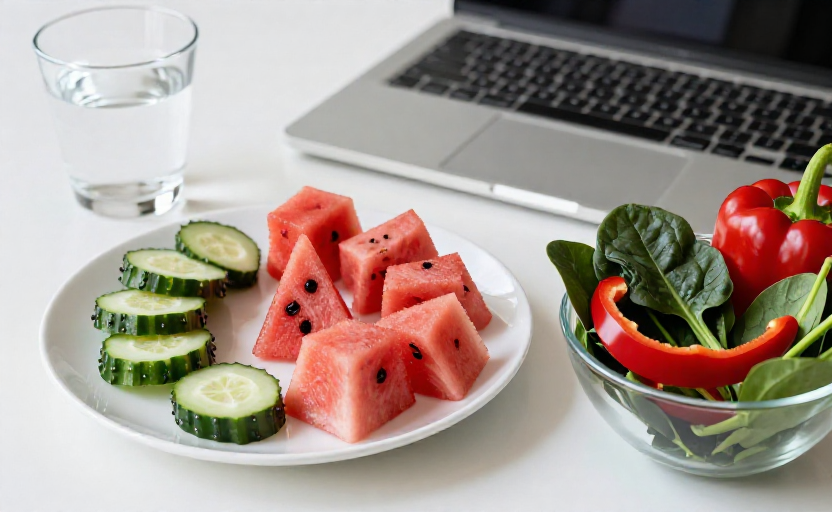
When the afternoon slump hits and your focus starts to waver, reaching for a snack might feel like a habit. But not all snacks are created equal when it comes to mental clarity and keeping stress in check. Dehydration, even at a mild level, can drag down your concentration and amplify feelings of tension. The right foods can do double duty—providing both fluid and nutrients that support a steady mood and sharper thinking throughout a workday.
Here are four hydrating foods that can help you stay on top of your game when you need focus the most.
1. Cucumber: A Crisp Reset for Your Brain
Cucumbers are made up of about 96% water, making them one of the most hydrating foods you can eat. That high water content helps maintain fluid balance, which is essential for optimal brain function. When you’re well-hydrated, your brain cells can communicate more efficiently, and you’re less likely to experience the fog that comes with even minor dehydration.
Beyond hydration, cucumbers contain B vitamins, including B5 and B7, which play a role in nervous system health. Having a few cucumber slices with a little hummus or a sprinkle of sea salt can provide a quick, clean energy lift without the crash that often follows sugary snacks.
Tip: Keep a container of cucumber sticks at your desk for a no-mess, instant crunch that doubles as a water break.
2. Watermelon: Sweet Support for Steady Energy
Watermelon is about 92% water, but that’s not all it offers. It also delivers lycopene, a powerful antioxidant that helps protect cells from oxidative stress—a type of cellular wear and tear that can increase when you’re under pressure. Managing oxidative stress is important for maintaining long-term cognitive health, but even in the short term, it can help you feel less worn out by a demanding day.
A small bowl of watermelon also provides a modest amount of natural sugar, which can give your brain a quick glucose boost. The key is that the sugar is accompanied by fiber and water, which slows down absorption and helps avoid the energy spike-and-crash pattern. This makes watermelon a smart choice for sustaining focus during a long meeting or a stretch of deep work.
3. Leafy Greens (Spinach or Romaine): The Calming Mineral Source
Leafy greens like spinach and romaine lettuce are surprisingly hydrating—they contain around 90% water. But their real value for stress management lies in their mineral content. Magnesium, in particular, is abundant in leafy greens, and this mineral plays a direct role in regulating the nervous system. Adequate magnesium levels have been linked to lower cortisol (the stress hormone) and better sleep quality, both of which affect your ability to concentrate during the day.
Adding a handful of spinach to your lunch salad or wrapping your sandwich in a large romaine leaf instead of bread can increase your hydration while providing a steady supply of calming nutrients. Over time, consistently getting enough magnesium may help you feel less reactive to daily workplace stressors.
4. Bell Peppers: Vitamin C for Resilience
Red bell peppers are made of about 92% water, and they pack more vitamin C per gram than an orange. Vitamin C is well-known for immune support, but it also helps reduce the physical effects of stress. When you’re under psychological pressure, your adrenal glands release cortisol. Vitamin C is required for the synthesis of certain stress-regulating hormones, and some research suggests that vitamin C intake can help temper the rise in cortisol after a stressful event.
For better focus, consider that vitamin C also helps protect the brain from oxidative damage and supports the production of neurotransmitters like dopamine and serotonin. Slicing up a bell pepper as a mid-afternoon snack gives you hydration, a dose of vitamin C, and a pleasant crunch that can break up a repetitive work rhythm.
How to Incorporate These Foods Into Your Workday
Making these foods part of your routine doesn’t have to be complicated. Start by prepping a few simple items at the beginning of the week:
- Make a hydration bowl: Dice cucumber, watermelon, and bell pepper into a small container. Keep it in the office fridge for a grab-and-go snack that requires no prep during the day.
- Build a better salad: Use spinach or romaine as a base for lunch, and toss in some sliced bell peppers and cucumber for extra hydration and crunch.
- Pair with protein: For sustained focus, combine these hydrating foods with a source of protein like a hard-boiled egg, a handful of almonds, or a few slices of turkey. The protein helps stabilize blood sugar, while the hydrating food supports fluid balance.
Hydration isn’t just about drinking water—it’s about choosing foods that support your body’s fluid needs while also providing key vitamins and minerals. When your brain has what it needs to stay hydrated and protected from stress, you’ll likely find it easier to maintain focus, make clear decisions, and handle the natural ups and downs of a workday with more composure.