
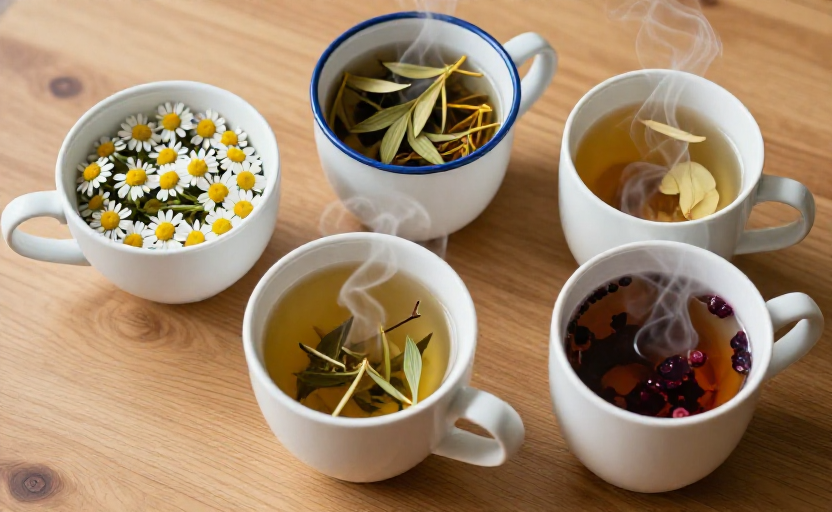
In the rhythm of a busy day, finding a moment of quiet can feel like a luxury. Yet, one of the simplest, most accessible rituals for grounding yourself is waiting in your kitchen cupboard. A warm cup of herbal tea offers more than just hydration; it’s a pause, a deep breath in a mug. Certain herbs, steeped for centuries in traditional wellness practices, are celebrated for their dual ability to gently soothe the nervous system while offering supportive nutrients for the body’s natural defenses.
It’s important to approach this as a form of daily nourishment, not a medical treatment. These teas are companions to a balanced lifestyle, not substitutes for professional healthcare. If you have specific health conditions, are pregnant, or take medications, a conversation with your doctor is always the wisest first step.
What makes an herbal tea calming and immune-supportive?
The connection between feeling calm and supporting your immune system isn’t just anecdotal; it’s physiological. Chronic stress can tax the body’s resources, so practices that promote relaxation inherently create a more supportive internal environment. Many herbs used for calm contain compounds like flavonoids and antioxidants, which also play a role in the body’s overall wellness. Think of these teas as a two-fold practice: a mindful moment to decompress, and a gentle infusion of plant-based nutrients.
Your daily tea ritual is a small act of care—for your mind and your body.
Four Herbal Teas for Your Daily Ritual
Here are four well-loved herbs to explore. Enjoy them one at a time to appreciate their unique character, or blend them for a personalized cup.
Chamomile
Often the first herb we reach for when seeking tranquility, chamomile is a classic for good reason. Its delicate, apple-like flavor is synonymous with relaxation. The key compound, apigenin, is believed to bind to receptors in the brain that may encourage calmness and ease tension. Beyond its famous soothing properties, chamomile is also a source of antioxidants like chamazulene, which contribute to its overall supportive profile.
For the best cup, use freshly boiled water cooled for a minute and steep a generous teaspoon of flowers for 5-10 minutes, covered, to trap the beneficial volatile oils.
Holy Basil (Tulsi)
Revered in Ayurveda as “The Incomparable One,” holy basil, or tulsi, is an adaptogen. This means it’s thought to help the body adapt to various forms of stress, promoting a sense of balanced resilience. Its taste is uniquely complex—lightly peppery and clove-like with a subtle sweetness. Rich in compounds like eugenol, rosmarinic acid, and a range of antioxidants, tulsi is traditionally used to support a healthy response to everyday stressors and maintain overall wellness.
It makes a wonderfully invigorating yet calming tea on its own and blends beautifully with a pinch of lemon balm or mint.
Ginger
Ginger brings a welcome warmth that is both comforting and stimulating. Its sharp, spicy flavor comes from gingerol, a compound with noted antioxidant properties. That warming sensation can be wonderfully settling, aiding digestion and creating a feeling of grounded ease. Ginger has a long history in many cultures for supporting general well-being, particularly during seasonal changes.
For a potent brew, simmer a few thin slices of fresh ginger root in water for 10-15 minutes. A touch of raw honey and lemon can soften its spicy edge.
Elderberry
Elderberry tea, made from the dark purple berries of the Sambucus tree, is deeply flavorful—tart, fruity, and rich. These berries are packed with flavonoids, particularly anthocyanins, which give them their vibrant color and are known for their antioxidant capacity. While often celebrated for seasonal support, a warm cup of elderberry tea is also simply a delicious, comforting drink. Its vibrant taste can feel like a nourishing treat.
Always cook or steep elderberries; do not consume them raw. A pre-made tea blend or syrup diluted in hot water is the safest, easiest way to enjoy them.
Weaving Tea into Your Day
The benefit of these teas comes as much from the ritual as from the herbs themselves. The act of boiling water, selecting your herb, and waiting for it to steep forces a natural pause. Try starting your morning with an invigorating cup of ginger or tulsi instead of a second coffee. Wind down in the evening with chamomile, making it a signal to your body that the day is done. Keep a thermos of your favorite blend at your desk for an afternoon reset.
Listen to your body. Some herbs you may enjoy daily; others might feel right for certain times. The goal is gentle support, not a rigid regimen.
A Note on Quality and Preparation
To get the most from your herbs, seek out organic, high-quality loose-leaf teas or tea bags from reputable sources. Store them in a cool, dark place in airtight containers to protect their delicate compounds. When brewing, use filtered water just off the boil for most delicate flowers and leaves, and cover your cup while steeping to prevent the escape of essential oils. Giving the herbs time—usually 5 to 10 minutes—allows for a full extraction of their flavors and beneficial properties.
Your daily cup is a small, sustainable practice of self-care. It won’t eliminate all stress or guarantee perfect health, but it is a tangible, comforting way to tend to your well-being, one sip at a time.