We often think of hydration as something that comes from a glass or a bottle. While drinking water is essential, it's not the only way to nourish your body's need for fluid. The foods you eat can contribute significantly to your daily hydration, offering a dual benefit of nutrients and water that works in tandem to support your overall sense of well-being.
Choosing foods with high water content can be a gentle, supportive strategy for maintaining hydration, which is foundational for everything from cognitive function to physical energy. When your body is well-hydrated, systems operate more smoothly, and you may even find it easier to maintain a sense of calm. Here are four accessible, everyday foods that are naturally rich in water and can help you feel nourished and balanced.
Cucumber: The Hydration Powerhouse
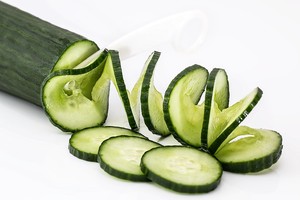
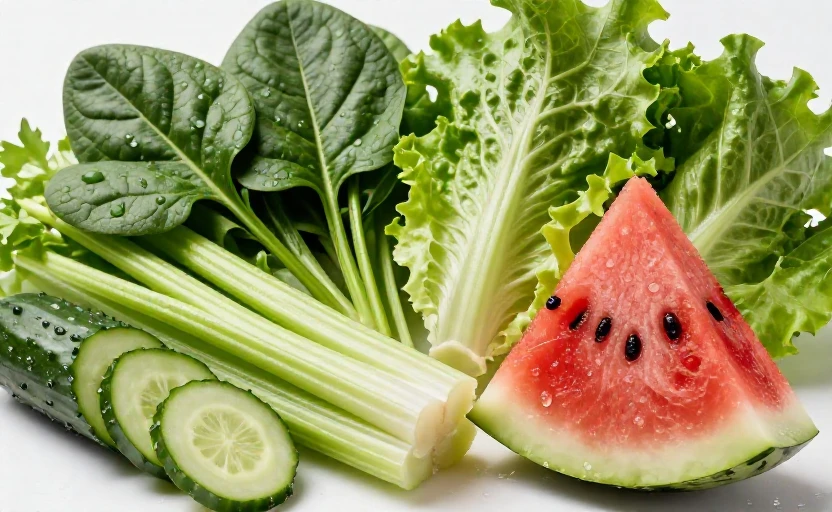
It’s no surprise that cucumber tops the list. Composed of about 95% water, it’s one of the most hydrating foods you can eat. This high water content, combined with a small amount of fiber, makes it incredibly refreshing and easy to digest.
Beyond just fluid, cucumbers provide vitamin K and potassium, an electrolyte that helps regulate fluid balance in your cells. The act of crunching on a cool cucumber slice can also be a simple, mindful moment in a busy day. Try adding thin slices to your water for a subtle flavor infusion, tossing them into a salad, or enjoying them as a crisp, standalone snack.
Tip: For maximum hydration benefit, enjoy cucumbers with their skin on, as it contains a good portion of their nutrients and fiber.
Celery: More Than Just Crunch
Often relegated to the side of a buffalo wing plate, celery deserves a spotlight for its hydrating properties. Like cucumber, it’s about 95% water. Its satisfying crunch comes with a very low calorie count and a subtle, savory flavor that makes it a versatile vehicle for dips like hummus or nut butter.
Celery contains compounds like apigenin, which is being studied for its potential calming effects. While eating a stalk won’t act like a medication, incorporating it as part of a balanced diet contributes to an overall pattern of nourishing, water-rich food choices. The simple ritual of washing, trimming, and preparing celery can also be a small, grounding practice.
Watermelon: Sweet Hydration
True to its name, watermelon is roughly 92% water. This makes it a delicious and effective way to increase your fluid intake, especially on warmer days or after light activity. The natural sweetness satisfies a craving for something sweet while delivering hydration, vitamin C, and the antioxidant lycopene.
The combination of water and natural sugars can provide a gentle, quick source of energy without the crash associated with processed sweets. Enjoying a chilled piece of watermelon can feel like a treat, offering a moment of simple pleasure that supports both physical hydration and a calm mood.
Leafy Greens: A Nutrient-Dense Source
While not as obviously water-logged as a melon, many leafy greens are excellent hydrators. Romaine lettuce, for instance, is about 95% water. Spinach and kale hover around 91-92%. When you eat a large salad, you're consuming a substantial volume of water along with a powerhouse of vitamins, minerals, and fiber.
These greens are particularly rich in magnesium, a mineral that plays a crucial role in nerve function and muscle relaxation. Including a variety of leafy greens in your meals is a foundational habit for building a nutrient-rich, hydrating diet. They add volume and satisfaction to meals without heaviness, helping you feel nourished and light.
Integrating Hydrating Foods Into Your Day
You don’t need a complicated plan to benefit from these foods. Start by noticing where you can add one in.
- Begin with a base: Build lunches or dinners on a foundation of leafy greens or shredded cabbage.
- Snack smart: Keep pre-cut cucumber, celery, or watermelon in the fridge for an easy, reach-for option.
- Blend them: Add a handful of spinach or some cucumber to your morning smoothie for a hydration boost.
- Pair with your water: Enjoy a glass of water alongside these foods; the combination of fluid from both sources is synergistic.
Remember, these foods are companions to your regular water intake, not replacements. They work together to help your body maintain its delicate fluid balance, which in turn supports every cellular process, including those that help you manage stress and maintain calm.