When it comes to reducing fine lines, many of us reach for expensive creams or treatments. But what if the answer starts in your kitchen? Your skin's structure relies heavily on collagen — a protein that provides firmness and elasticity. As natural collagen production begins to decline in our mid-20s, fine lines and wrinkles become more visible. While topical products can help, the foods you eat play a foundational role in supporting collagen production and protecting existing collagen from damage.
Here are four foods that can naturally boost your body's collagen synthesis and help minimize the appearance of fine lines over time.
1. Fatty Fish
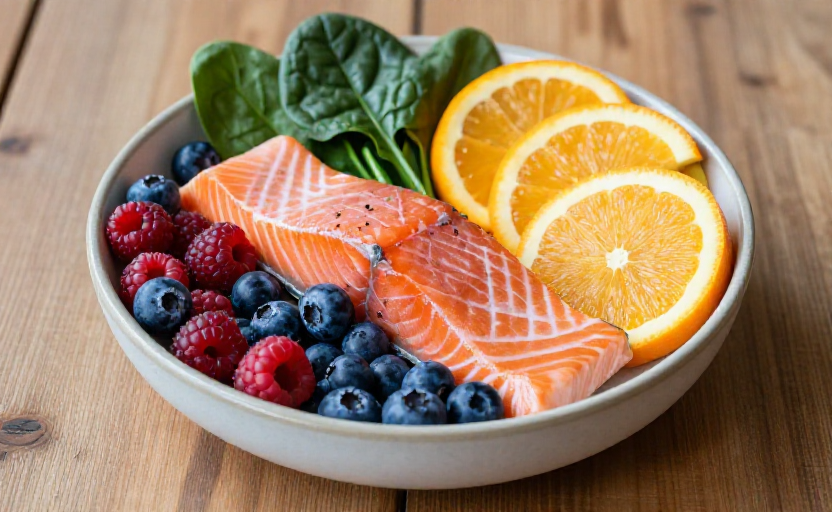
Cold-water fatty fish like salmon, mackerel, and sardines are among the best foods you can eat for skin health. These fish are rich in omega-3 fatty acids, which help protect the skin's membrane and reduce inflammation — a key contributor to collagen breakdown. Omega-3s also keep the skin supple and moisturized, which makes fine lines less noticeable. Additionally, fish provides high-quality protein, including the amino acids proline and glycine, which are essential building blocks for collagen synthesis. Try adding a serving of wild-caught salmon to your weekly meal rotation for both skin and overall health benefits.
2. Citrus Fruits and Berries
Vitamin C is a non-negotiable nutrient when it comes to collagen production. This potent antioxidant serves as a cofactor for the enzymes that stabilize and cross-link collagen fibers. Without enough vitamin C, collagen synthesis slows down significantly, and existing collagen can become weak and prone to damage. Citrus fruits like oranges, grapefruits, and lemons are well-known sources, but berries — especially strawberries, blueberries, and blackberries — also deliver a powerful dose of vitamin C along with additional antioxidants that fight free radicals. Free radicals from UV exposure and pollution can degrade collagen, so eating antioxidant-rich fruits helps protect the collagen you already have. Aim for a colorful mix of these fruits in your daily diet for maximum benefit.
3. Leafy Greens
Dark leafy greens such as spinach, kale, and Swiss chard are abundant in vitamin C and also contain chlorophyll — a pigment that studies suggest may increase the precursor to collagen in the skin. While the research is still emerging, chlorophyll's antioxidant properties likely play a role in reducing oxidative stress that damages collagen. Leafy greens are also rich in vitamin K, which supports healthy blood circulation and can improve the delivery of nutrients to skin cells. Pair a handful of spinach with your citrus salad or add kale to a smoothie for a simple skin-supporting habit.
4. Bone Broth
Bone broth is made by simmering animal bones and connective tissue, which releases collagen, gelatin, and amino acids like glycine and proline directly into the liquid. While the collagen in bone broth may not survive digestion intact, the amino acids and gelatin it provides can still support your body's own collagen production. Gelatin, the cooked form of collagen, has been shown to increase skin hydration and elasticity in small studies. For a nourishing warm drink, sip a cup of high-quality bone broth as part of your evening routine. Just be mindful of the sodium content in store-bought versions; look for low-sodium options or make your own at home.
A Quick Tip: Pair vitamin-C-rich foods with protein sources for a synergistic effect. For example, squeeze lemon over grilled salmon or add berries to a bowl of bone-broth-based soup.
Remember that food alone cannot erase deep wrinkles or reverse sun damage. However, consistently including these collagen-supporting foods in a balanced diet — along with sun protection, adequate hydration, and a good skincare routine — can help your skin stay resilient, supple, and more youthful over time. Small dietary shifts today can add up to noticeable improvements tomorrow.