
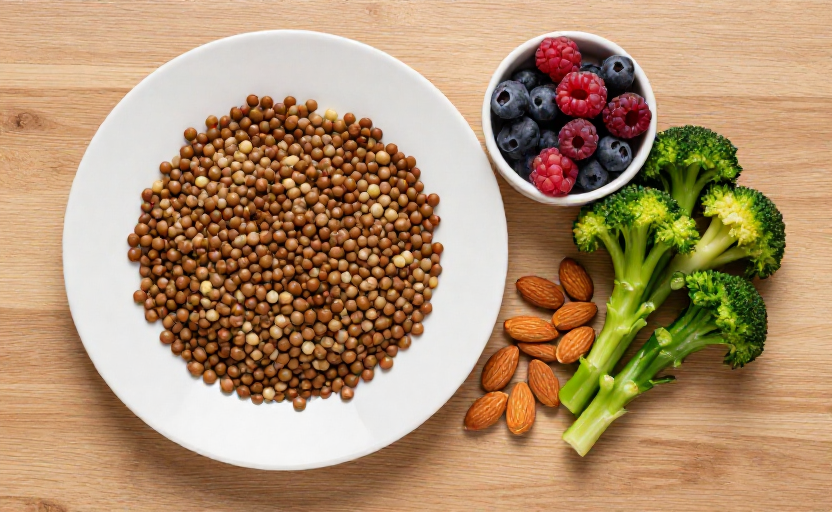
That mid-afternoon slump is familiar to many of us: a few hours after lunch, energy dips, focus fades, and a craving for something sweet or starchy sets in. What you eat at midday can either set you up for that crash or help you maintain steady blood sugar levels into the evening. The right combination of nutrients—protein, fiber, healthy fats, and complex carbohydrates—slows digestion and prevents the rapid spikes and drops that leave you reaching for a second coffee or a sugary snack.
Here are four foods that can help you maintain stable blood sugar all afternoon.
1. Legumes: Lentils, Chickpeas, and Beans
Beans, lentils, and chickpeas are powerhouses when it comes to blood sugar control. They’re packed with soluble fiber and protein, two nutrients that slow the absorption of carbohydrates into the bloodstream. A 2021 meta-analysis in Nutrients found that regular consumption of legumes significantly improved fasting blood sugar and insulin sensitivity in people with and without type 2 diabetes.
Try adding half a cup of chickpeas to a lunch salad, stirring lentils into a vegetable soup, or using black beans in a grain bowl. They digest slowly, providing a steady release of glucose that can keep you satisfied well into the afternoon.
Tip: Pair legumes with a handful of leafy greens and a drizzle of olive oil for an even more balanced meal.
2. Nuts and Seeds: Almonds, Walnuts, Chia, and Flax
Nuts and seeds offer a triple benefit: healthy fats, protein, and fiber. Walnuts and almonds, in particular, have been studied for their role in improving glycemic control. A 2020 study in BMJ Open Diabetes Research & Care showed that daily almond consumption improved insulin sensitivity in adults with prediabetes.
A small handful (about one ounce) of almonds or walnuts makes an excellent afternoon snack. For a more substantial option, sprinkle chia seeds or ground flaxseed into yogurt or oatmeal at lunch. The combination of fat and fiber delays gastric emptying, which helps keep blood sugar curves flatter for hours.
3. Non-Starchy Vegetables: Leafy Greens, Broccoli, and Bell Peppers
Non-starchy vegetables are low in digestible carbohydrates but high in fiber, water, and micronutrients. They add volume to a meal without causing a large glucose response. Leafy greens such as spinach, kale, and arugula are particularly beneficial. A 2018 review in the Journal of the American College of Nutrition noted that higher intakes of green leafy vegetables were consistently associated with a lower risk of type 2 diabetes.
Base your lunch around a large salad or include a generous portion of steamed broccoli, sautéed bell peppers, or roasted cauliflower alongside your protein. Because these vegetables are nutrient-dense but low in calories and carbs, they allow you to eat a satisfying portion size without destabilizing your blood sugar.
4. High-Fiber Fruits: Berries, Apples, and Pears
Fruit often gets a bad reputation in blood sugar conversations, but whole fruits (not juices) can absolutely be part of a balanced afternoon. The key is choosing fruits with a lower glycemic load, which means they contain more fiber relative to their natural sugar content. Berries, apples, and pears are excellent options. A medium apple with the skin on provides about 4.5 grams of fiber, mostly pectin, which slows sugar absorption.
Pair an apple or a cup of mixed berries with a handful of almonds or a tablespoon of nut butter. The combination of fruit’s fiber and the fat and protein from the nuts helps sustain energy and prevents the quick glucose spike that can occur when fruit is eaten alone.
Stable blood sugar isn’t about eliminating carbohydrates—it’s about choosing the right ones and pairing them strategically. By including legumes, nuts and seeds, non-starchy vegetables, and high-fiber fruits in your lunch or afternoon snack, you can maintain steady energy, avoid the late-day crash, and support long-term metabolic health.