The weeks and months after having a baby bring countless joys—and a fair share of bodily surprises. Few are as visually apparent as the sudden increase in hair that seems to end up on your pillow, in the shower drain, or wrapped around your brush. This phenomenon, often called postpartum telogen effluvium, is temporary, but it can feel unsettling. The good news is that while you cannot stop the shedding entirely, your diet can support your body through this natural shift.
Dietitians who specialize in maternal health agree that nourishing your body with specific nutrients can help your hair return to its normal growth cycle more efficiently. Below, they share the four foods they recommend most often for women experiencing postpartum hair shedding.
Why Postpartum Hair Shedding Happens
During pregnancy, elevated estrogen levels keep many hair follicles in their growth phase, which means less-than-normal shedding. After delivery, hormone levels drop, and those extra hairs enter a resting and shedding phase all at once. This typically begins around three to six months postpartum. It is a completely normal, self-correcting process, but adequate nutrition is essential for supporting the regrowth phase.
1. Salmon
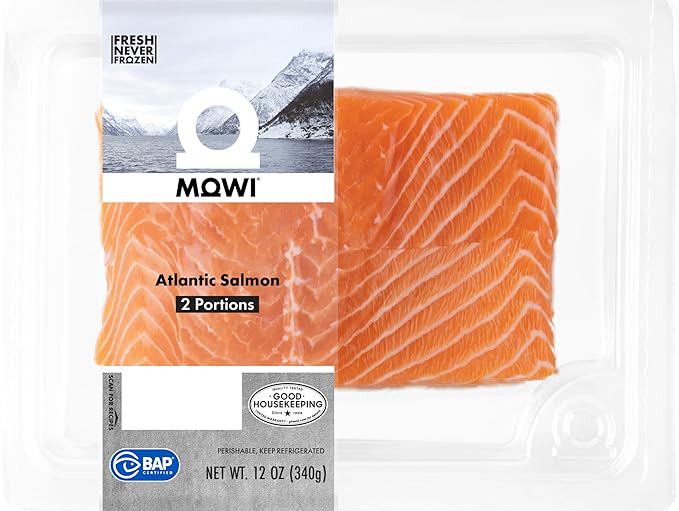
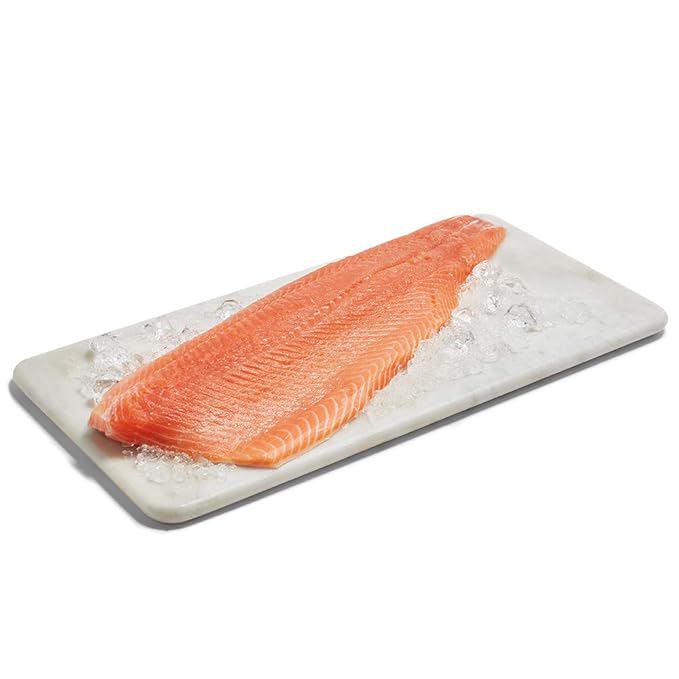
Salmon appears on nearly every dietitian’s short list for good reason. It is a premier source of omega-3 fatty acids, which are known for their anti-inflammatory properties and their role in supporting the health of the scalp. A healthy scalp environment is vital for hair follicle recovery.
In addition, salmon provides high-quality protein—hair itself is made of a protein called keratin—and vitamin D, which studies have linked to the normal hair follicle cycle. Many postpartum women are low in vitamin D, making salmon an efficient way to address that gap while supporting hair structure.
2. Eggs
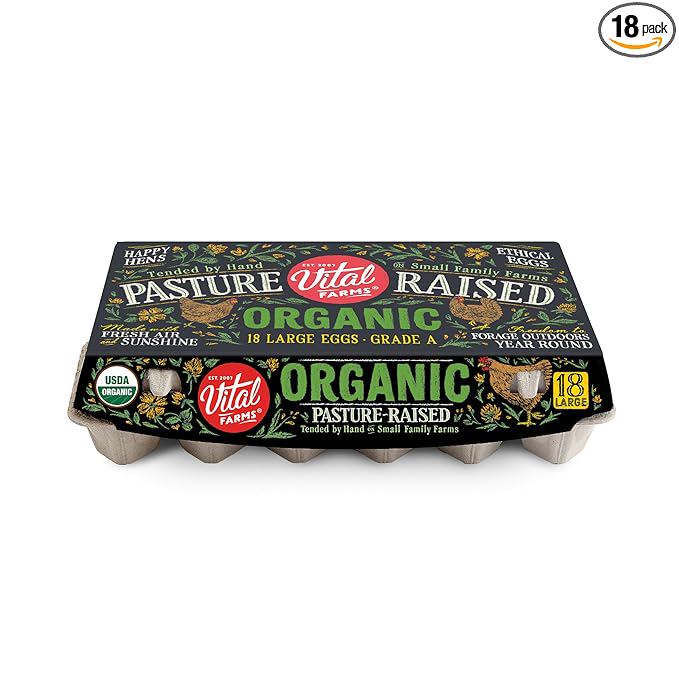
Eggs are a powerhouse for hair recovery, primarily because they are rich in biotin and protein. Biotin, a B vitamin, is widely recognized for its part in keratin production. While true biotin deficiency is rare, the postpartum body places higher demands on nutrient stores, and ensuring enough biotin can help strengthen new hair as it begins to grow.
Eggs also provide choline, which supports overall cellular health, and zinc, a mineral that helps with tissue repair and growth. Including eggs in a daily meal—whether scrambled, poached, or hard-boiled—offers an affordable, flexible base for a hair-supportive diet.
3. Spinach
Dark leafy greens like spinach bring two key nutrients to the table: iron and folate. Postpartum iron stores can be depleted after childbirth, especially if there was significant blood loss. Low iron levels are directly linked to increased hair shedding, even beyond the normal postpartum timeline.
Spinach also contains vitamin C, which improves iron absorption, along with vitamin A, which helps regulate sebum production on the scalp. Sebum is the natural oil that keeps the scalp and hair from becoming dry and brittle. One dietitian notes that a simple daily spinach salad or a handful added to a smoothie can make a measurable difference for women struggling with thinning hair.
4. Greek Yogurt
Greek yogurt is an excellent source of protein and—critically—vitamin B5 (pantothenic acid) and vitamin D. Vitamin B5 is associated with hair health and thickness, while the protein content gives your body the building blocks for new hair strands.
Perhaps more important: plain Greek yogurt contains live probiotics, which support gut health. A balanced gut microbiome is increasingly linked to nutrient absorption and overall inflammation levels, both of which influence the health of your hair. Pair it with a handful of berries for additional antioxidants and vitamin C, or a pinch of cinnamon for flavor without added sugar.
How to Combine These Foods Across Your Week
Dietitians emphasize that consistency matters more than perfection. You do not need to overhaul your entire diet overnight. A practical suggestion is to aim for two to three servings of these foods spread across the week. For instance:
- Breakfast: scrambled eggs with a handful of spinach
- Lunch: salmon salad over greens
- Snack: a bowl of Greek yogurt with berries
This general framework covers a wide range of hair-supporting nutrients without added stress during an already demanding life stage.
A Note on Supplementation
While food sources remain the most bioavailable way to obtain these nutrients, some women may need to supplement, particularly for iron or vitamin D. Do not start any supplement without first discussing it with your healthcare provider. Over-supplementation of certain nutrients, like vitamin A or selenium, can actually worsen hair shedding. Your provider can run a quick blood panel to check your levels before making any recommendations.
How Long Before You See Results?
Hair follicles operate on their own schedule. After adding these foods to your diet, it takes around three to six months for the effects to become visible in the form of new growth and reduced shedding. This timeline is normal. If you have been eating well for several months and feel you are still losing more hair than expected, a check-in with your doctor or a registered dietitian can rule out other underlying issues, such as thyroid imbalance or postpartum thyroiditis.
Be patient with your body and your hair. Postpartum shedding is a temporary passage, not a permanent state. Good nutrition simply supports your body’s existing ability to recover.
The takeaway is hopeful: with focused, nutrient-dense food choices—starting with salmon, eggs, spinach, and Greek yogurt—you can give your body exactly what it needs to move through the shedding phase and into a healthy regrowth cycle.