Fine hair and a dry, irritated scalp often go hand in hand. When strands lack density and the skin underneath is parched, it can feel like a losing battle. Many people turn to topical products, but what you eat plays a foundational role in hair health. According to nutritionists, strategic dietary choices can support fine hair repair and improve scalp hydration from the inside out.
Instead of reaching for another serum or mask, consider adjusting your grocery list. Here are four nutrient-dense foods that experts recommend for strengthening fine hair and soothing a dry scalp.
Why Diet Matters for Fine Hair and Scalp Health
Hair follicles are among the most metabolically active tissues in the body. They require a steady supply of vitamins, minerals, and healthy fats to produce strong, resilient strands. A dehydrated or inflamed scalp can impair follicle function, leading to breakage and lackluster hair. By focusing on specific foods, you can deliver the building blocks needed for repair and moisture retention.
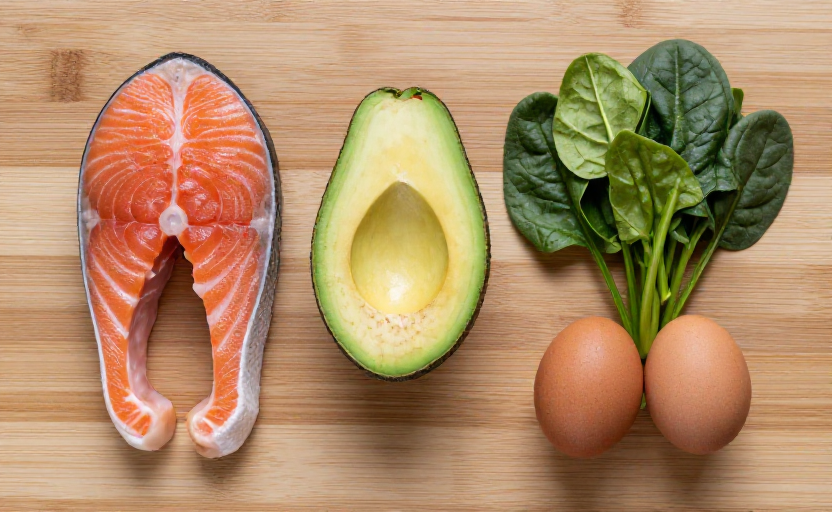
1. Salmon
Salmon is rich in omega-3 fatty acids, which are essential for scalp health. These healthy fats help regulate oil production and keep the scalp hydrated. Omega-3s also possess anti-inflammatory properties that can calm irritation and flaking. Additionally, salmon provides high-quality protein, which is the primary component of hair strands. A diet lacking in protein can lead to weaker, finer hair that is prone to breakage.
2. Avocado
Avocados are packed with monounsaturated fats and vitamin E. Healthy fats help seal moisture into the scalp, preventing dryness and itching. Vitamin E is a powerful antioxidant that protects hair follicles from oxidative stress, which can contribute to thinning and damage. For those with fine hair, the nourishing fats in avocado support a healthy environment for growth without weighing strands down when consumed as part of a balanced diet.
3. Spinach
Spinach is a leafy green loaded with iron, folate, and vitamins A and C. Iron deficiency is a common cause of hair thinning, especially in women. Iron helps red blood cells carry oxygen to hair follicles, supporting growth and repair. Vitamin A aids in the production of sebum, a natural scalp moisturizer, while vitamin C boosts collagen production, which strengthens the hair shaft. Adding spinach to smoothies, salads, or sautés is an easy way to boost scalp hydration.
4. Eggs
Eggs are a complete protein source and contain biotin, a B vitamin known for promoting hair growth and strength. Biotin deficiency is associated with hair thinning and brittle strands. The protein in eggs helps fortify fine hair, making it more resilient. Additionally, eggs provide zinc and selenium, minerals that support a healthy scalp and may reduce dandruff. For maximum benefit, include the yolk, as it contains most of the biotin.
A note from our editors: Focusing on whole foods is a supportive step, but results take time. Hair grows slowly, so consistency over weeks and months is key. If you suspect a nutrient deficiency or experience sudden hair loss, consult a healthcare provider for personalized advice.
Incorporating these four foods into your regular meals can help address the root causes of fine hair and scalp dryness. Pair them with gentle hair care practices and adequate water intake for the best results.