For many women, one of the more unsettling surprises of menopause is a sudden awareness of their own heartbeat. That fluttery, skipping, or pounding sensation—often called a palpitation—can feel alarming, even when it’s not dangerous. It’s usually tied to shifting estrogen levels, which influence the body’s electrical system and vascular tone. But here’s the good news: the foods you choose can help steady your heart and support its long-term health.
Rather than reaching for a supplement or a quick fix, start in the kitchen. The following four foods are backed by research for their ability to calm palpitations and protect the heart during menopause. They work not by overriding the body, but by supplying the nutrients your heart already depends on.
1. Potassium-Rich Foods: Avocados and Bananas
Electrolyte imbalance is a common driver of palpitations. Potassium, in particular, helps regulate the electrical impulses that prompt each heartbeat. When levels are low, the heart compensates by beating irregularly or forcefully.
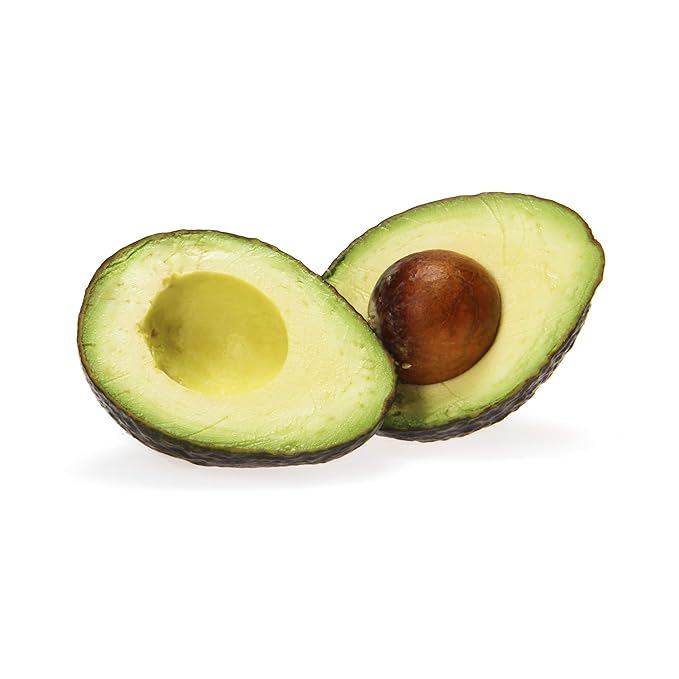
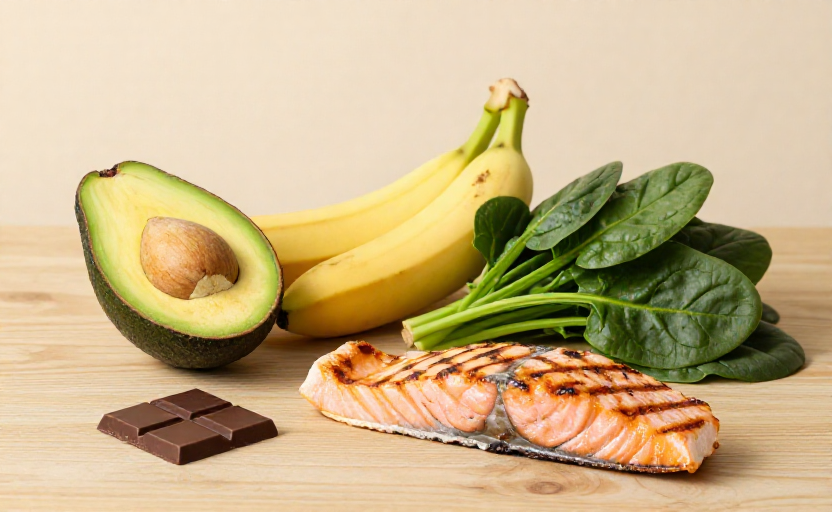
Avocados are an outstanding source: one medium avocado provides about 975 mg of potassium—roughly 20% of the daily target for adults. Bananas, often cited as the poster child for potassium, supply about 422 mg per medium fruit. Both foods are also gentle on the stomach and easy to work into meals. Try avocado on whole-grain toast with a sprinkle of flaxseed; pair a banana with a small handful of almonds for a mid-afternoon snack.
Tip: Aim for 2,600 to 3,400 mg of potassium per day from food sources. Too much supplemental potassium can be hazardous, so let whole foods do the work.
2. Magnesium-Rich Leafy Greens: Spinach and Swiss Chard
Magnesium is often called the “relaxation mineral” for good reason. It helps smooth muscle fibers, including those in blood vessel walls, and supports the heart’s natural pacemaker. Low magnesium levels are strongly linked to both palpitations and high blood pressure.
One cup of cooked spinach delivers about 157 mg of magnesium, while a cup of cooked Swiss chard offers 150 mg. Both greens are also rich in fiber, folate, and vitamin K—nutrients that further support vascular health.
If you’re not a fan of salads, try wilting a hefty handful of spinach into pasta sauce, scrambled eggs, or a warming lentil soup. Swiss chard stems can be sautéed with garlic and a pinch of red pepper flakes for a quick side dish.
3. Omega-3s: Wild Salmon and Sardines
During menopause, estrogen loss reduces the natural flexibility of blood vessels and can increase the tendency toward inflammation. This inflammatory state raises the risk of both palpitations and more serious heart conditions. Omega-3 fatty acids, specifically EPA and DHA, are among the most potent dietary tools to counter that inflammation.
Wild salmon provides roughly 1.5 to 2 grams of omega-3s per 3-ounce serving. Sardines are a convenient and budget-friendly alternative, offering about 1.2 grams per serving. These fish also supply vitamin D, which many postmenopausal women lack—a deficiency itself linked to heart rhythm issues.
If you’re not eating fish twice a week, consider a high-quality fish oil supplement (talk to your doctor about dosing first). Otherwise, incorporate salmon into grain bowls, or mash sardines into a spread with lemon juice and herbs for toast.
4. Dark Chocolate (Cocoa Flavanols)
Yes, chocolate. But not the milk chocolate confections from the checkout aisle. Dark chocolate with a cocoa content of at least 70% contains flavanols—plant compounds that boost nitric oxide production. Nitric oxide helps blood vessels dilate, reducing pressure on the heart and easing the sensation of palpitations.
In a 2022 systematic review of 31 trials, flavanol-rich cocoa was shown to lower blood pressure and improve arterial function. While the effect on palpitations is less studied, improved vessel function generally reduces the heart’s workload. A small square (about 10 grams) per day is enough to gain benefits without adding excessive sugar or caffeine, which can trigger palpitations in some women.
Look for bars with minimal added sugar and no dairy solids. Pair that daily square with a handful of almonds or a warm cup of passionflower tea for a calming evening ritual.
How These Foods Work Together
Each of these four foods addresses a different root of menopausal heart distress. Potassium and magnesium regulate the electrical and muscular environment of the heart. Omega-3s quiet the inflammation that taxes blood vessels. Flavanols open up circulation, lowering resistance and easing the force of each beat.
Think of them not as individual “remedies,” but as a dietary foundation. When you consistently eat a range of nutrient-dense foods, you supply your body with the raw materials it needs to self-correct. Palpitations often become less frequent, and the overall cardiovascular system becomes more resilient.
What Else You Can Do
Diet is powerful, but it’s not the whole picture. Limit caffeine, alcohol, and high-sodium processed foods, all of which can provoke palpitations in sensitive women. Stay hydrated—even mild dehydration can mimic electrolyte imbalances. And if your palpitations are accompanied by chest pain, fainting, or happen with intense exercise, see a doctor to rule out arrhythmias or heart disease.
For many women, palpitations are a temporary passage of menopause. With consistent nourishment and a few targeted food choices, you can make that passage steadier—and your heart stronger for decades to come.