
Starting a strength training routine can be a revelation for your body, but new lifters often deal with an unexpected side effect: joint stiffness. While muscle soreness is a familiar friend, stiff knees, hips, or shoulders can make you question whether the barbell is actually worth it. The good news is that what you put on your plate can play a meaningful role in how your joints feel.
Food is not a substitute for proper warm-ups or good form, but certain nutrients can help calm inflammation, support cartilage, and keep your connective tissue supple. If you have just started lifting and want to move more freely, here are four science-backed foods to add to your shopping list.
Fatty Fish: The Inflammation Dampener
Salmon, mackerel, sardines, and anchovies are packed with long-chain omega-3 fatty acids, specifically EPA and DHA. These fats are known for their ability to reduce systemic inflammation, which is relevant for a new lifter whose joints may be reacting to novel stress. Omega-3s can lower the production of inflammatory molecules that contribute to joint pain and morning stiffness.
To get the benefit, aim for two servings of fatty fish per week. And no, fish oil supplements are not a guaranteed shortcut—whole fish provides a matrix of nutrients that likely work together. A simple grilled salmon fillet or a tin of sardines on a salad is an easy win for your joints.
Leafy Greens: The Antioxidant Shield
Spinach, kale, Swiss chard, and collard greens are more than just fiber vehicles. They are rich in vitamin K, which helps regulate calcium in your bones and may protect against cartilage degradation. They also contain a host of antioxidants like quercetin and beta-carotene that fight oxidative stress—the cellular wear and tear that can worsen stiffness after a workout.
You do not need to eat a bushel every day. A large handful of spinach in your morning smoothie or a side of sautéed kale with lunch can make a difference over time. The key is consistency, not quantity.
Berries: The Post-Workout Rescue
Blueberries, strawberries, raspberries, and blackberries are among the highest antioxidant foods you can eat, and they target stiffness in a specific way. The compound anthocyanin gives berries their deep color and has been shown to reduce inflammatory markers like C-reactive protein. For a new strength trainer, this matters because each workout triggers a brief inflammatory response—berries help your body resolve that inflammation faster.
Frozen berries work just as well as fresh, and they often cost less. Toss a handful into oatmeal, yogurt, or a post-lift shake. Because their antioxidants are easily destroyed by heat, eat them raw or gently thawed rather than baked into muffins at high temperatures.
Turmeric and Black Pepper: The Synergistic Duo
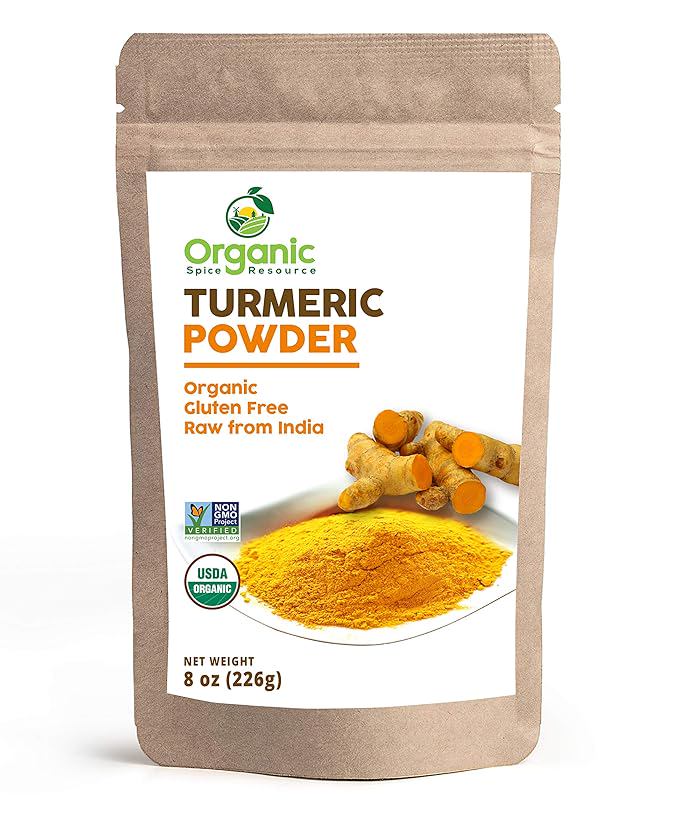
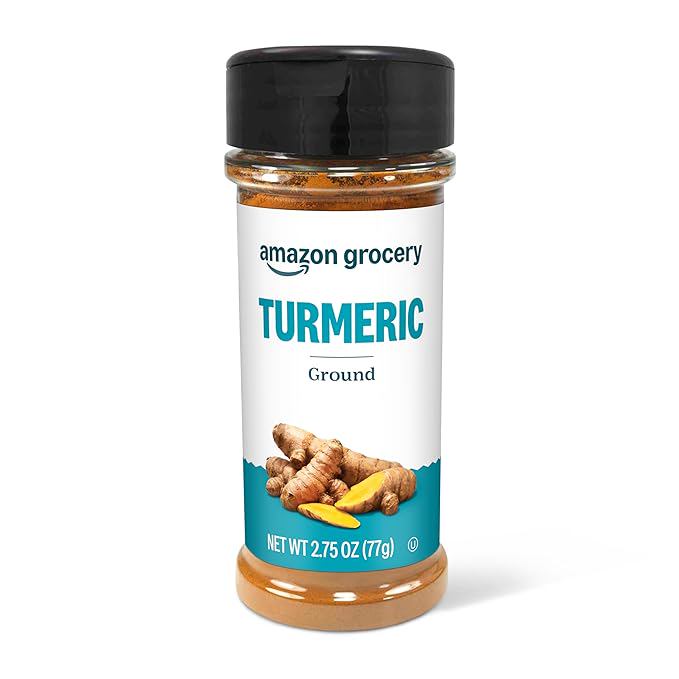
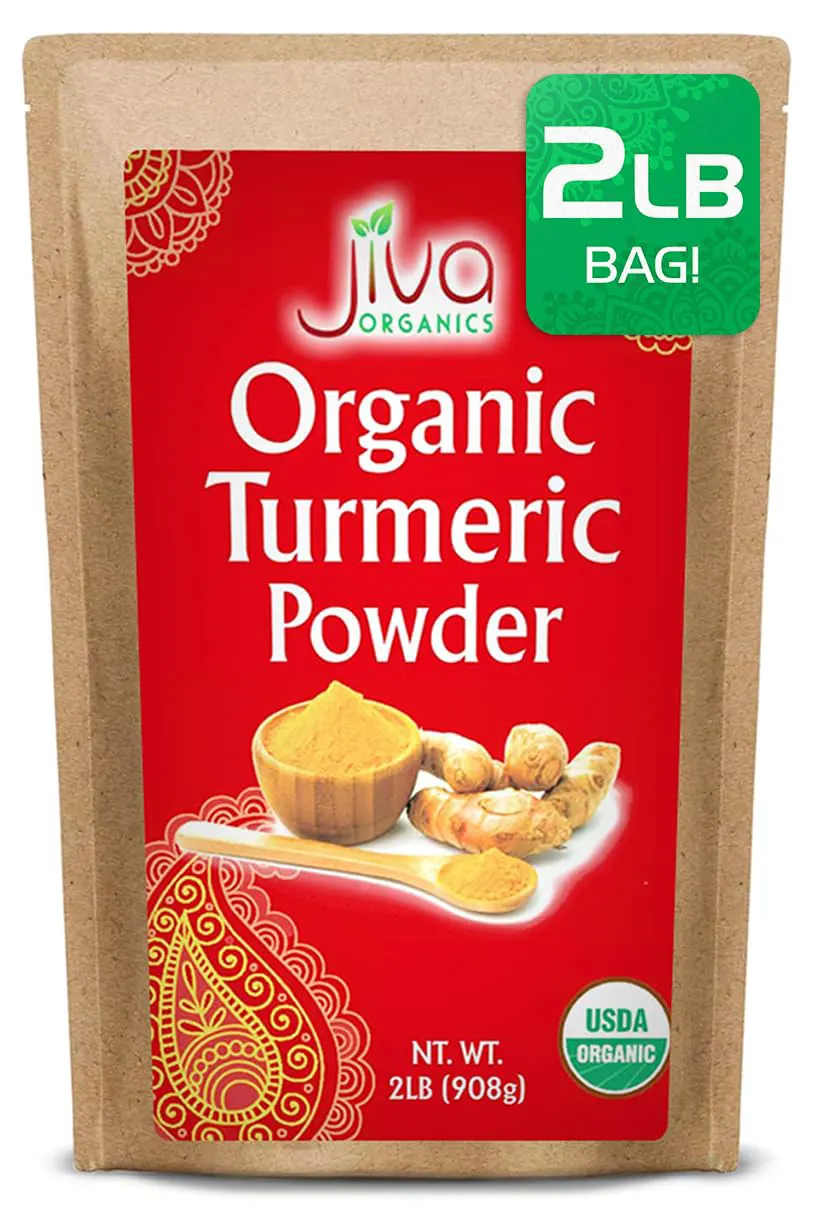
Turmeric contains curcumin, a compound that directly blocks several inflammatory pathways. The catch is that curcumin is poorly absorbed on its own. Here is where black pepper comes in: piperine, the active compound in pepper, can increase curcumin absorption by up to 2000 percent. This spice combination is one of the most studied food-based interventions for joint comfort.
A simple trick: add a generous pinch of black pepper to any dish that contains turmeric, or use a quality turmeric latte blend that already includes piperine.
You can incorporate turmeric into soups, rice dishes, scrambled eggs, or even warm milk. Just remember that the effect is cumulative—you will not feel looser after one turmeric tea. Consistent intake over weeks supports a lower baseline of joint inflammation.
Putting It Together for Your Training Week
These four foods are not a cure-all, and they cannot undo the effects of poor form or overtraining. But they can create an internal environment that helps your joints adapt to the demands of strength training. The real payoff comes when you pair them with smart programming, adequate rest, and enough water.
If you are new to lifting, your joints are asking you to listen. Food can be part of that conversation—and these choices are a solid place to start.