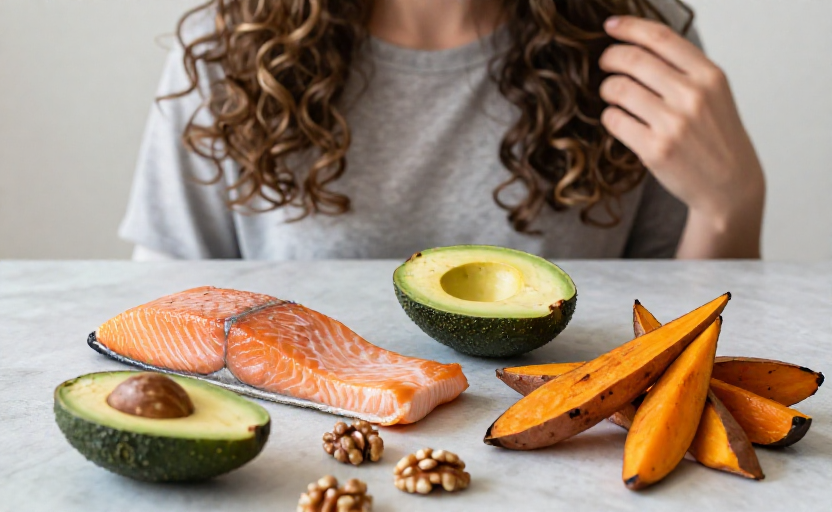
Curly hair comes with its own set of challenges — frizz, dryness, and an itchy scalp can make styling feel like a losing battle. While topical products help, what you eat plays a surprisingly direct role in how your curls behave. Dietitians point to four specific foods that may help calm an irritated scalp and smooth down frizz from the inside out.
Why diet matters for curly hair
Your hair follicles are among the most metabolically active cells in your body. They need a steady supply of vitamins, minerals, and healthy fats to produce strong, flexible strands. For curly hair, which is naturally drier than straight hair because oils from the scalp have a harder time traveling down the twists, internal nutrition becomes even more critical. An itchy scalp often signals inflammation or a deficiency in certain nutrients. By targeting those underlying issues with food, you may notice less irritation and more defined, smoother curls.
1. Fatty fish: Omega-3s for scalp health
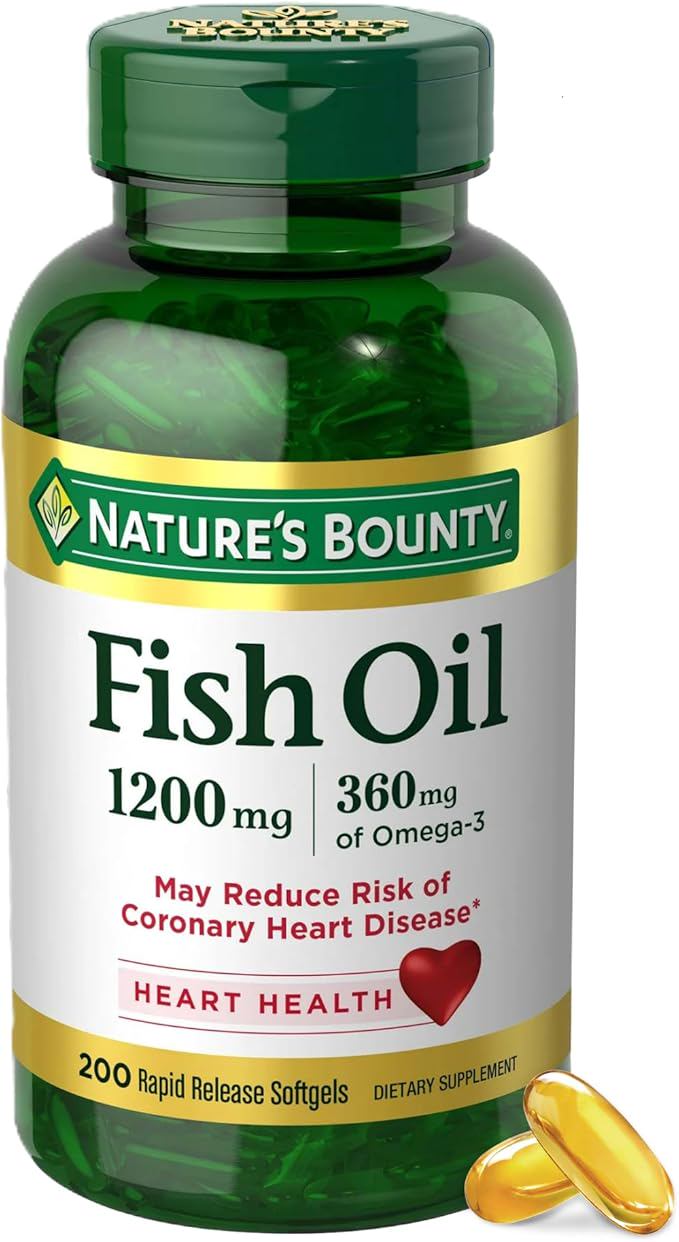
Salmon, mackerel, sardines, and trout are rich in omega-3 fatty acids — particularly EPA and DHA. These fats are potent anti-inflammatory compounds. When your scalp is inflamed (a common cause of itching and flaking), omega-3s help calm that response. A healthier scalp environment means hair follicles can function better, potentially reducing the dry, brittle condition that leads to frizz. Dietitians recommend enjoying two servings of fatty fish per week to support both skin and hair health.
2. Avocado: Vitamin E and healthy monounsaturated fats
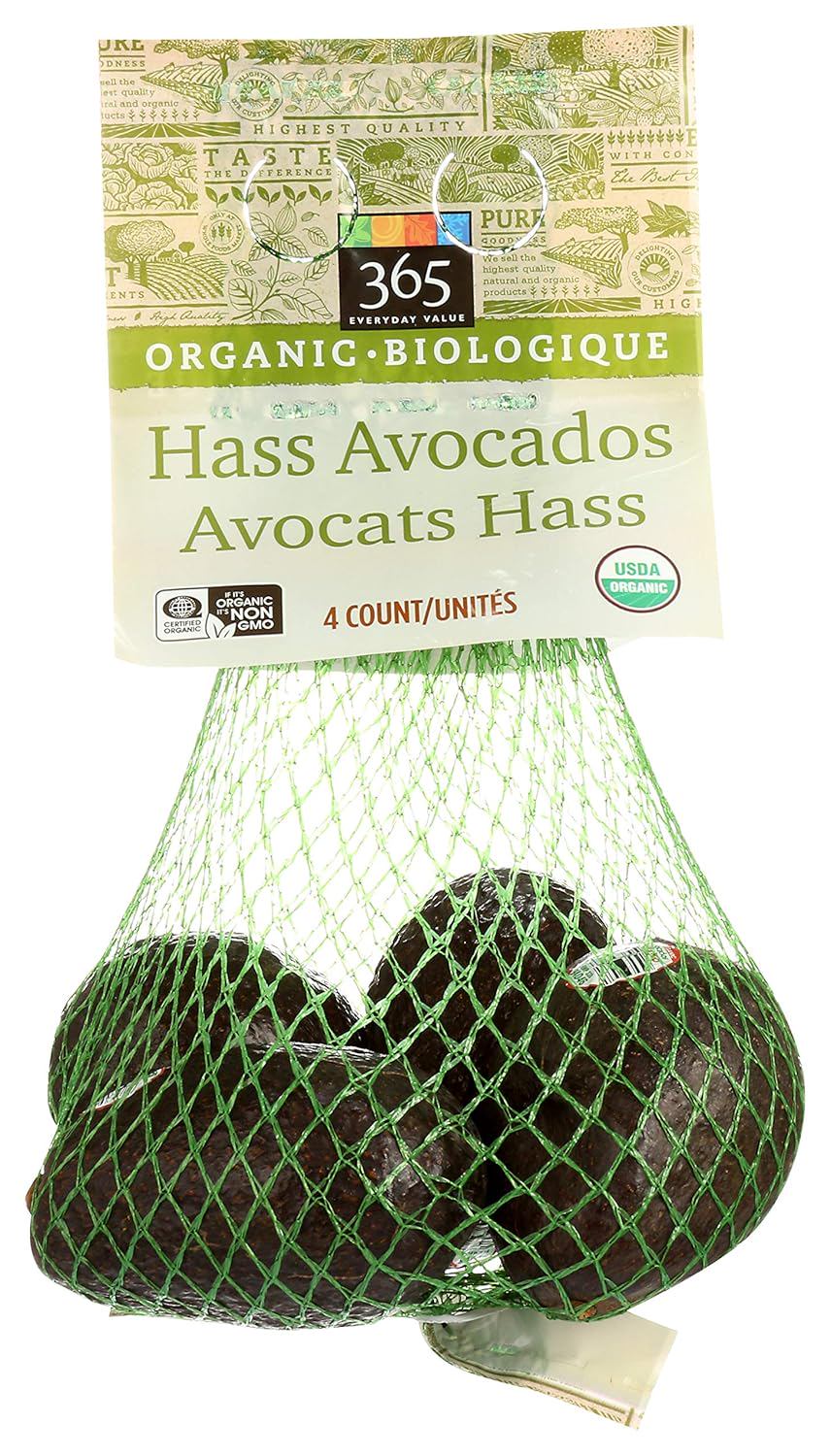
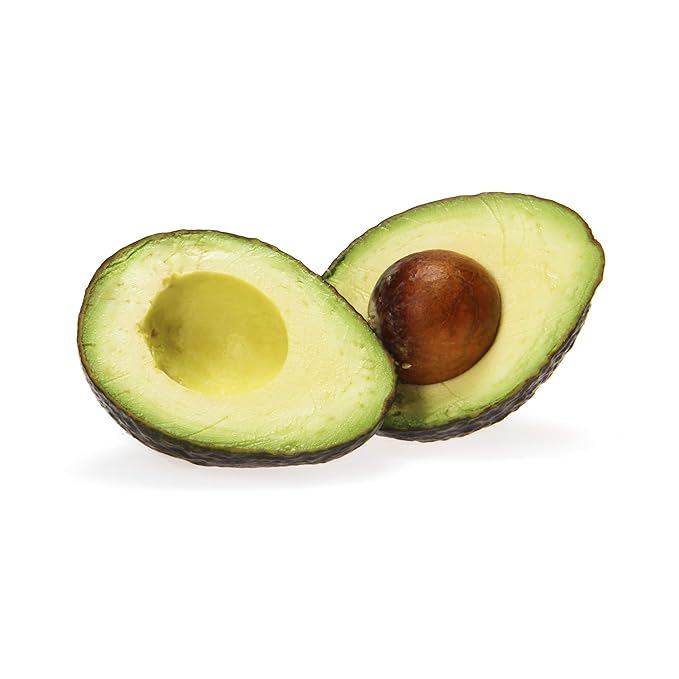
Avocado is a double-duty food for curly hair. It provides vitamin E, a fat-soluble antioxidant that protects cell membranes — including those on your scalp — from oxidative stress. A well-nourished scalp is less likely to become dry and itchy. The monounsaturated fats in avocado also help maintain the flexibility and shine of the hair shaft. When hair is properly moisturized from within, it resists the humidity that causes frizz. Try adding half an avocado to smoothies, salads, or even spreading it on whole-grain toast.
3. Walnuts: A plant-based omega-3 and biotin boost
For those who don't eat fish, walnuts are the best plant source of alpha-linolenic acid (ALA), a type of omega-3 that supports skin and scalp health. Walnuts also contain biotin (vitamin B7), which is essential for keratin production — the protein that makes up your hair. Adequate biotin intake can help reduce brittleness and breakage, making your curls less prone to frizz. A small handful of walnuts a day is enough to provide these benefits without overdoing calories.
4. Sweet potatoes: Beta-carotene for sebum production
Sweet potatoes are loaded with beta-carotene, which your body converts into vitamin A. This vitamin is necessary for the production of sebum — the natural oil that conditions your scalp and hair. Without enough vitamin A, your scalp can become dry and flaky, leading to itching. A healthy sebum layer helps seal moisture into the hair shaft, which is crucial for curly hair that tends to lose water quickly. Baked sweet potatoes, roasted wedges, or mashed sweet potatoes all count. Just one medium sweet potato provides more than enough beta-carotene for the day.
Tip: Pair these foods with adequate water intake. Dehydration can make itchy, frizzy hair worse because it reduces overall moisture available to hair cells.
How long before you see results?
Hair grows slowly — about half an inch per month on average — and dietary changes take time to reflect in the hair you see. Most dietitians suggest staying consistent with these foods for at least 8 to 12 weeks before expecting noticeable changes in scalp comfort, frizz level, or curl definition. The benefits are cumulative, so think of this as a long-term investment in your hair's health rather than a quick fix.
What about supplements?
Food sources are generally preferred because they deliver nutrients in a complex matrix that supports absorption. If you're considering a supplement for omega-3s, biotin, or vitamin A, it's wise to speak with a healthcare provider first. Over-supplementing certain vitamins, especially vitamin A, can actually cause hair loss. The safe, effective path is to start with whole foods.