
Breakthrough bleeding—unexpected spotting or light bleeding between periods—is one of the most common complaints among people using birth control pills, especially in the first few months. While it usually isn't harmful, it can be annoying and unsettling. Although no single food can stop breakthrough bleeding entirely, a growing body of research suggests that certain nutrients may support hormonal balance and strengthen the uterine lining, potentially reducing the likelihood of spotting. Here are four foods that may help.
1. Leafy Greens Rich in Vitamin K
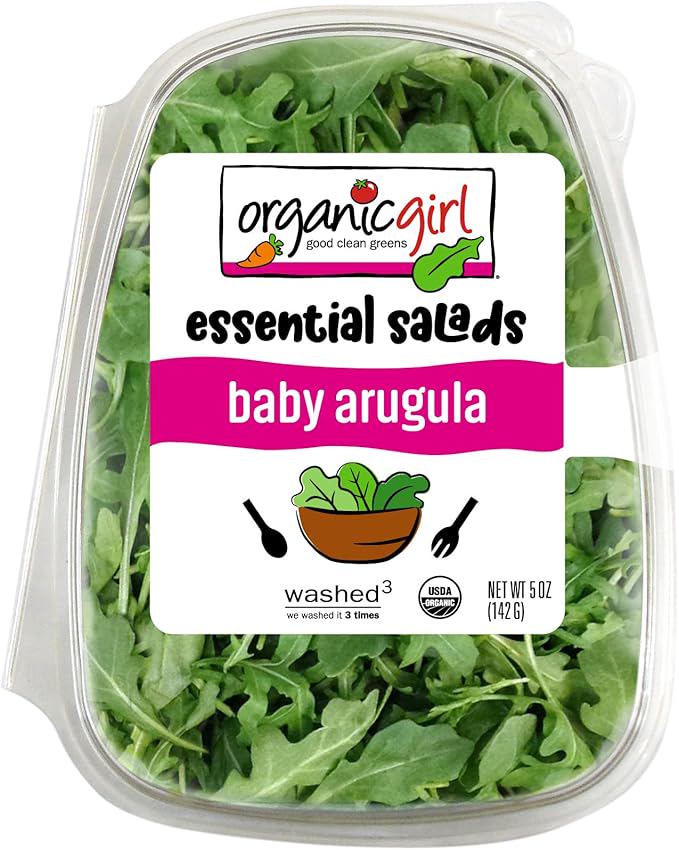
Vitamin K plays a central role in blood clotting, and a deficiency can contribute to easy bruising and abnormal bleeding. For people on the pill, ensuring adequate intake of vitamin K may help maintain the integrity of blood vessels in the uterus. Dark leafy greens such as kale, spinach, Swiss chard, and collard greens are excellent sources. Aim to include a serving of these vegetables in at least one meal per day. A simple salad, a side of steamed greens, or a handful of spinach blended into a smoothie can make a difference.
Short tip: Pair leafy greens with a source of healthy fat—like olive oil or avocado—to help your body absorb fat-soluble vitamins, including vitamin K.
2. Foods High in Iron
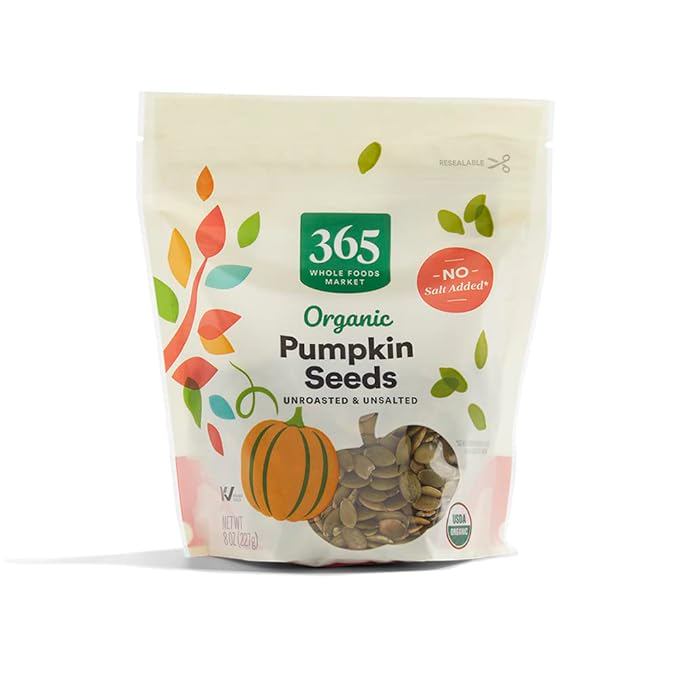
Breakthrough bleeding can lead to iron loss over time, especially if it's frequent or heavy. Low iron levels, in turn, may affect the health of the uterine lining. Including iron-rich foods in your diet can help replenish stores and support overall reproductive health. Look for sources like lean red meat, poultry, lentils, beans, fortified cereals, and pumpkin seeds. If you're vegetarian or vegan, combine plant-based iron with vitamin C-rich foods—such as citrus fruit, bell peppers, or tomatoes—to improve absorption.
3. Vitamin C-Rich Fruits and Vegetables
Vitamin C does more than support immunity; it also strengthens capillary walls and helps the body absorb iron. Both of these actions may be beneficial for people experiencing breakthrough bleeding. Citrus fruits, strawberries, kiwi, broccoli, and bell peppers are all packed with this nutrient. Try starting your day with a bowl of mixed berries or adding a squeeze of lemon to your water. Consistent intake throughout the day is more effective than a single large dose.
4. Healthy Fats from Avocados, Nuts, and Seeds
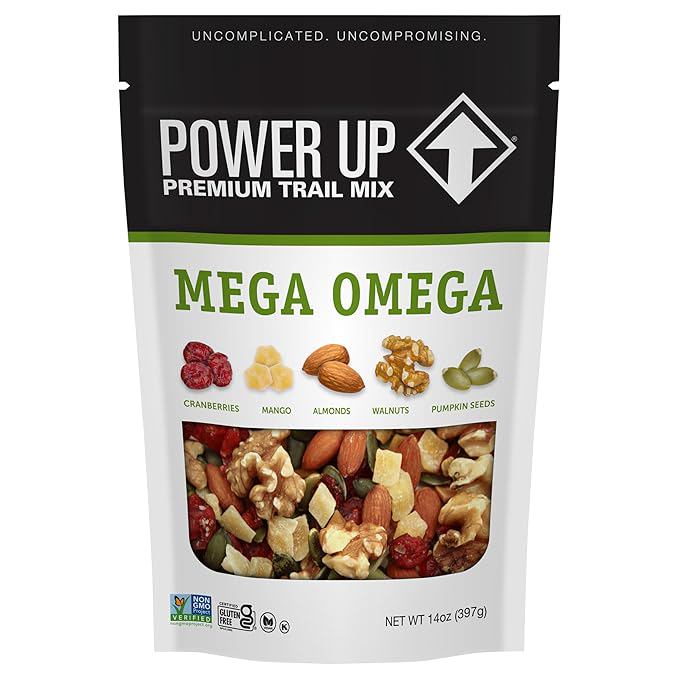
Hormonal balance depends on adequate fat intake, and the birth control pill can alter how the body processes certain fats. Monounsaturated and omega-3 fats help support the body's natural hormone production and may reduce inflammation that contributes to spotting. Avocados, almonds, walnuts, flaxseeds, and chia seeds are easy to incorporate into meals or snacks. A handful of nuts as a mid-afternoon snack or half an avocado on toast can provide a steady supply of these beneficial fats.
Beyond Food: Other Factors That Can Affect Breakthrough Bleeding
While diet plays a supportive role, it's not a substitute for proper medical guidance. Breakthrough bleeding can also be triggered by missed pills, starting a new pill brand, smoking, certain medications (including antibiotics and some herbal supplements), and underlying conditions like fibroids or polyps. If spotting persists beyond three months, or if it becomes heavy or painful, it's important to check in with your healthcare provider. They may suggest adjusting your pill formulation, changing the dosing schedule, or investigating other causes.
Building a Balanced Approach
Incorporating these four food groups into your daily meals is a simple, low-risk strategy to support your body while on hormonal contraception. No food can guarantee an end to breakthrough bleeding, but a nutrient-rich diet can help create the conditions for better cycle control. Think of these foods as part of a bigger picture that includes consistent pill-taking, adequate hydration, and open communication with your clinician.